Doubling down
By
-
Madeleine Janz

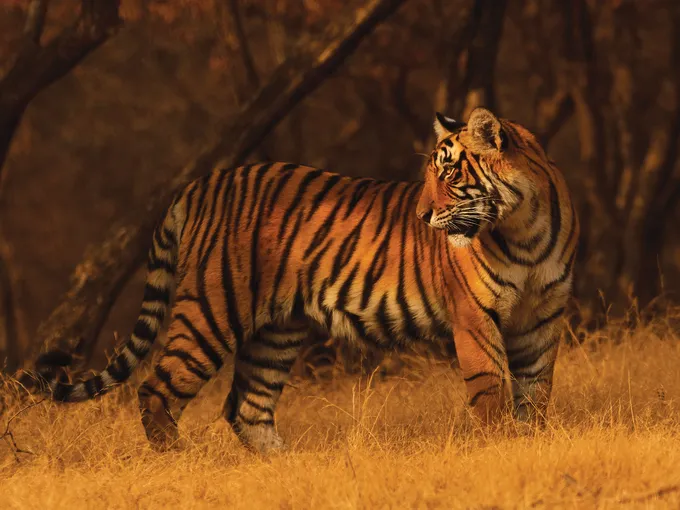
© RICHARD BARRETT/WWF-UK
In 2010, the world’s 13 tiger range countries made a landmark commitment to double the number of wild tigers by 2022. While some tiger populations have grown significantly since, with upward trends in India, Bhutan, Nepal, China, and Russia, these big cats are still widely threatened—and increasingly isolated—in Southeast Asia in particular. Here’s how far we’ve come.
-
65 tigers in Pilibhit reserve
The tiger population of northern India’s Pilibhit Tiger Reserve.
-
55 tigers on camera
Number of tigers identified by camera trap surveys near the Russian border in northeast China between 2013 and 2018.
- The areas surrounding Northern India’s Pilibhit Tiger Reserve support some of the highest human population densities of all tiger conservation landscapes.
- The Russian border in northeast China.
- The Transboundary Manas Conservation Area is a tiger hot spot straddling Bhutan and India. An estimated 48 tigers now live in India’s Manas National Park alone.
- Spanning more than 6,950 square miles of intact forest, Thailand’s vast Western Forest Complex is the largest contiguous tiger habitat in Southeast Asia—and a vital stronghold for the landscape’s tigers.
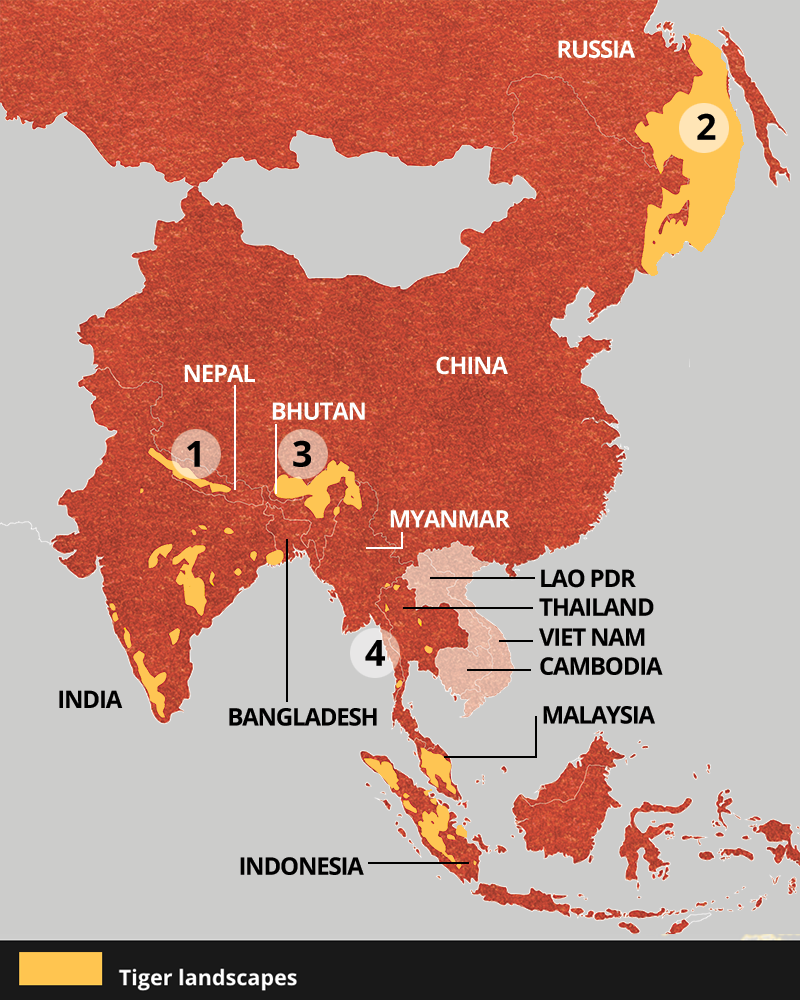
Latest tiger estimates* + status by country
↑ INDIA 2,603–3,346 (2018)
↑ RUSSIA ~580 (2020)
↑ NEPAL 220–274 (2018)
↑ BHUTAN 89–124 (2014)
↑ CHINA TO BE COUNTED
↔ THAILAND 145–177 (2021)
↔ BANGLADESH 89–146 (2018)
↔ INDONESIA 600 (2018)
↔ MYANMAR AT LEAST 22 (2018)
↓ MALAYSIA <200 (to be counted)
× VIET NAM 0
× LAO PDR 0
× CAMBODIA 0
* Based on best available data, including official government estimates where relevant
↑ Increasing ↓ Decreasing
↔ Stable/Not Determined × Extinct
© Lisk Feng
Global tiger numbers
-
3,200 in 2010
-
3,900 in 2016
-
6,400 goal in 2022
Actual number to be announced ahead of the Global Tiger Summit in September 2022
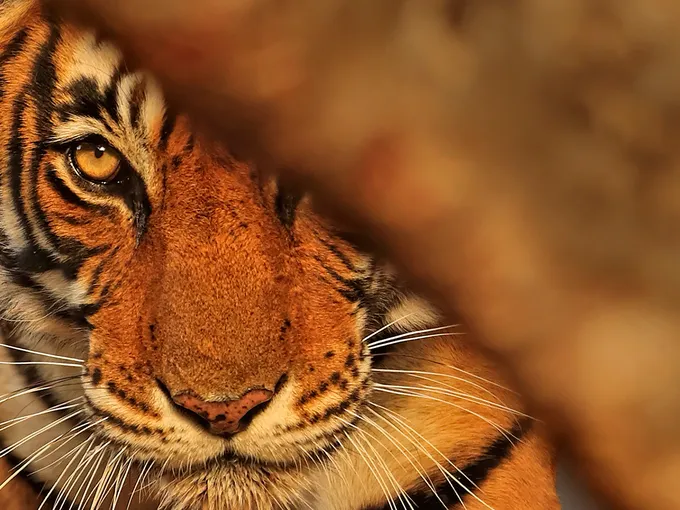
© Philippe Oberle / WWF
Explore more
Keep reading this issue of World Wildlife magazine