An endangered apex predator returns to the Ganga River
THE GANGA RIVER :: INDIA
A long, thin snout lined with razor-sharp teeth slowly emerges from an elongated box on the banks of the Ganga River. It is release day for this juvenile gharial.
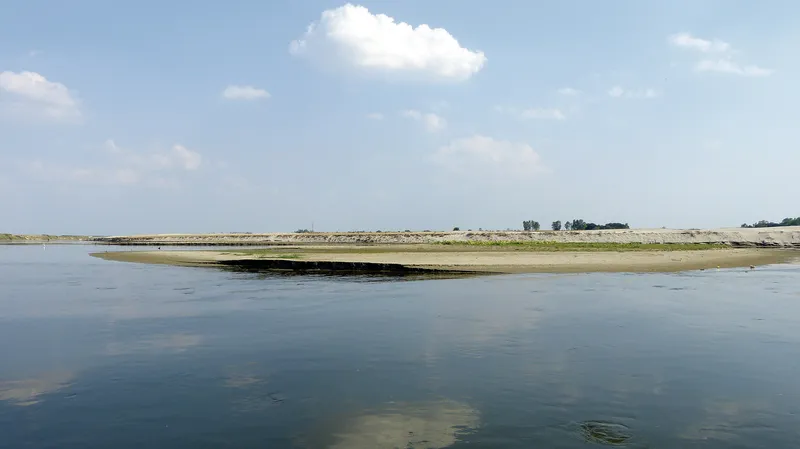
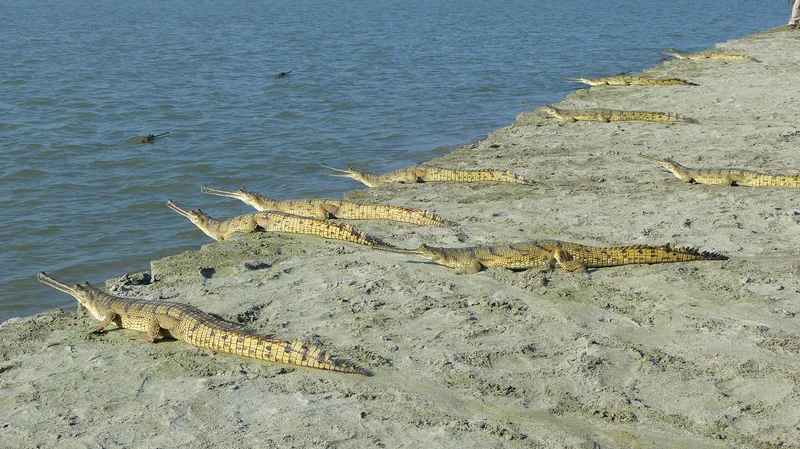
The basin of India’s storied river is home to over 600 million people and a wide range of rare and threatened species, from the iconic Ganges River dolphin to otters, freshwater turtles, over 140 fish species, and the critically endangered gharial. A nonaggressive, fish-eating member of the crocodilian family, the gharial is threatened by riverbed farming, sand mining, habitat disturbance and destruction, indiscriminate fishing, and entanglement in fishing nets.
© SANJEEV KUMAR YADAV/WWF-INDIA
The Uttar Pradesh Forest Department (UPFD) and WWF-India surveyed a 100-mile stretch of the Ganga in December 2008 to identify viable habitats for gharial reintroduction, with the aim of reestablishing breeding populations. They considered factors such as the presence of prey, availability of sites for basking and nesting, and river depth.
© AREEB HASHMI/WWF-INDIA
Since then, 818 juvenile gharials (about 4-5 ft. long) have been released into the river. They can grow to be over 16 ft. long and weigh 350–550 lb. As the top predator in the food chain, gharials are indicators of a healthy river, according to Suresh Babu, director of rivers, wetlands, and water policy at WWF-India.
© RAMAVTAR/WWF-INDIA
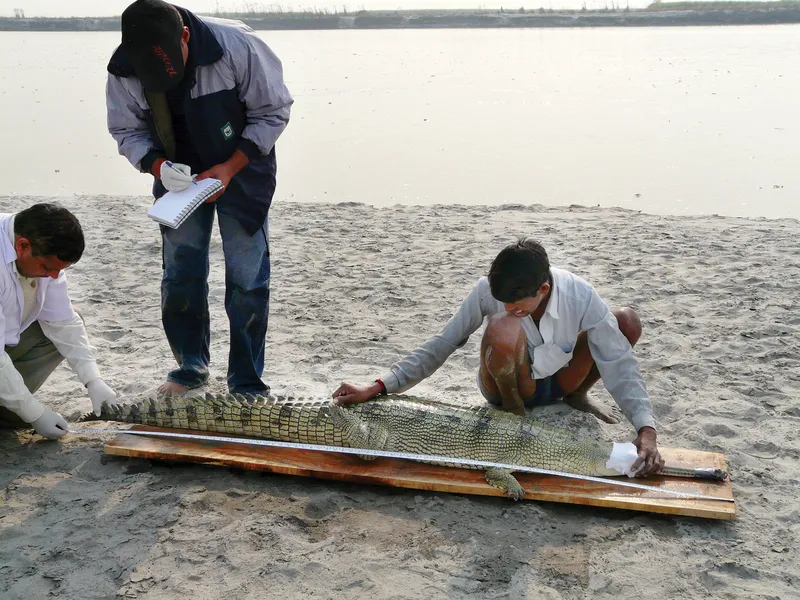
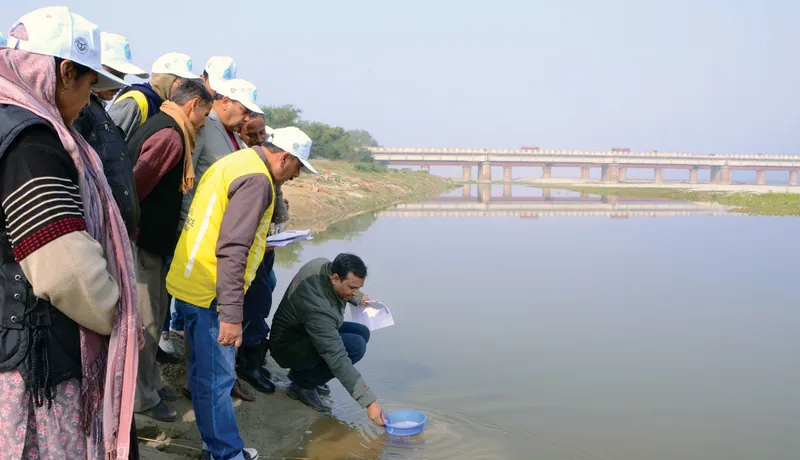
UPFD and WWF-India staff periodically recapture gharials to assess their health and growth rate, which indicate how well the animals are adjusting to the environment. Experts also measure water quality and monitor the movement and behavior of released gharials.
© WWF-INDIA
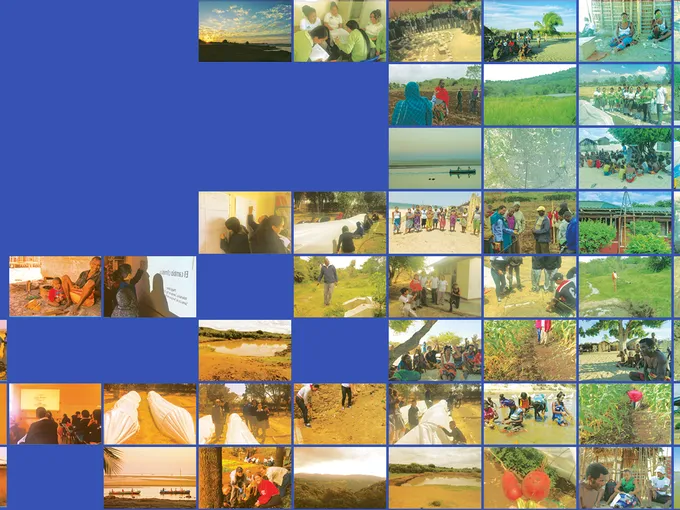
WWF-India works closely with local stakeholders to conserve rivers and aquatic species. More than 4,000 self-motivated individuals, known as mitras or “friends of the river,” volunteer their time, knowledge, and, notes Babu, their “willingness to be the voice of these species and of the river.”
© Kevin Schafer/WWF-Canon
Explore more
Keep reading this issue of World Wildlife magazine