An astonishing five tiger cubs captured on video in Northeast China
This remarkable footage is a testament to years of conservation efforts in the region
A newly released video shows a tigress with five of her curious cubs inside China. This footage and a second video released earlier this year were both filmed by camera traps in northeast China. Wild tigers typically give birth to one to four cubs, so five cubs are an exceptionally rare occurrence.
© NCTLNP
Meet the mother tigress
The story of “Hero Tigress”—seen in these videos with her five tiger cubs—is more than just a symbol of tiger recovery in China. She’s one of the most remarkable wild tigers ever documented inside the country.
Hero Tigress has raised 13 cubs in four litters since arriving in China from neighboring Russia in 2019, establishing a growing family in a landscape where prey had been reduced to critically low levels. Today, one of Hero Tigress's daughters has four cubs of her own, meaning this matriarch has shaped a third generation of wild tigers in the forests she calls home. This growing family tree represents years of commitment to restoring a healthy ecosystem where wildlife can flourish.
Every new cub represents another step in China's tiger recovery and a reminder that when people and nature thrive together, remarkable things can happen.
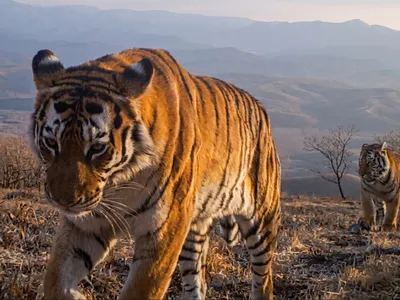
Hero tigress followed closely by one of her cubs
© NCTLNP
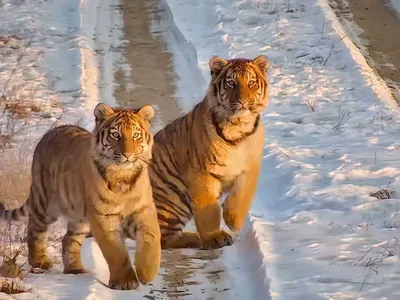
Two cubs from the five-cub litter of Hero Tigress
© NCTLNP
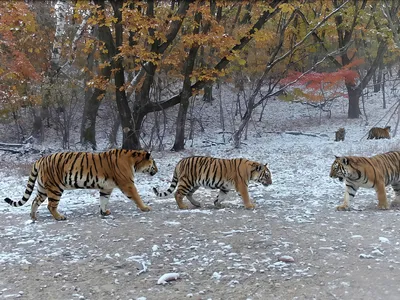
A daughter of Hero Tigress with cubs of her own
© NCTLNP
Repopulating China’s tiger landscapes
The Northeast China Tiger and Leopard National Park, which is the world’s largest protected area for tigers, sits along the border of China and Russia and is a vital corridor for these big cats. This landscape connectivity will be crucial for the five cubs to move away from their mother once they are mature enough to establish their own territory.
But where tigers roam, risks follow. Human-wildlife conflict, poaching, and habitat management remain a challenge. WWF-China is supporting the Northeast China Tiger and Leopard National Park and local communities to:
- Remove snares and prevent poaching
- Implement SMART, a patrolling technology for rangers to better monitor and manage the park
- Develop human-wildlife coexistence strategies
- Strengthen community participation in co-management
- Increase tiger prey populations
- Restore and connect key tiger habitats

© WWF-US / WWFGifts
Adopt a tiger
Symbolically adopt a tiger to help save some of the world's most threatened species. Support WWF's conservation efforts with a donation through WWFGifts.
Give nowProtecting people
China’s tiger population has increased from an all-time low of 20 individuals in 2010 to around 72 in 2026. Because of this, many communities in Northeast China haven’t lived near tigers before, creating a generation gap in past knowledge and experience in managing encounters with these big cats. In response to this, WWF-China has been supporting the government with human-tiger coexistence strategies in anticipation of an increase in the tiger population in the region.
Part of this approach included building five real-time alert cameras surrounding roads that lead to villages in the buffer zone of the Northeast China Tiger and Leopard National Park, close to where the tigress and cubs were recorded. When a tiger passes by, the system sends instant notifications to rangers’ mobile devices. Rangers then share early warnings via village committees and secure messaging groups, helping residents avoid risk. These cameras have delivered 98 alert messages so far and significantly reduced human-wildlife conflict.
Protecting tigers
An increase in tiger populations can attract poachers looking to kill tigers and sell their parts and products in the global illegal wildlife trade. In anticipation of this, WWF-China has been supporting its government partners by establishing three community patrol teams in this area, each with four local rangers.
In 2025 alone, community patrol teams:
-
Conducted 624 patrols
-
Covered 6,905 miles
-
Logged 12,323 patrol hours
-
Removed 123 snares
-
Recorded 1,230 traces of wildlife
© NCTLNP
A promising future
Each cub is a living testament to years of conservation efforts. Seeing five cubs in this landscape is a huge win for conservation and shows that these forests are ecologically viable—providing food, space, and safety for one of the world’s rarest big cats.
WWF-China will continue to work closely with the government and community partners to strengthen conservation measures, improve habitat connectivity, and ensure that tiger recovery remains a national and global success story.
Explore WWF's work on tigers
How you can help
© Andy Rouse/naturepl.com/WWF
Celebrate Global Tiger Day!
In just two minutes, you can protect wildlife and nature worldwide.