Indus River dolphins benefit from new protected area in Pakistan
The sanctuary offers a critical lifeline for the 2,000 remaining dolphins
By
-
Madalen Howard

© WWF-Pakistan
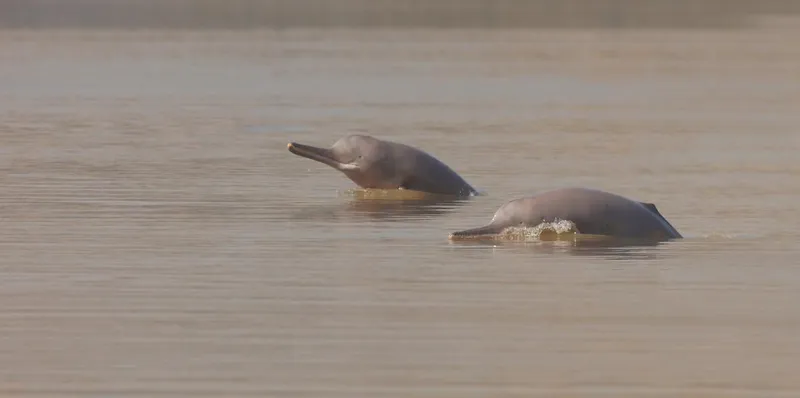
The endangered Indus River dolphin received a lifeline in Pakistan with the creation of a critical new protected area in its habitat. The Government of Punjab officially established the Punjnad Indus River Dolphin Sanctuary, the first protected area in the province dedicated to conserving this remarkable freshwater species. The new sanctuary covers about 123 miles of the Indus River, including the point where Punjab’s five rivers meet—a place reflected in the name Punjnad, which means “five rivers.”
The Indus River dolphin faces growing threats from habitat loss, pollution, and changes to the river it calls home. Only 2,000 individuals remain. Over the past 100 years, there has been an 80% decline in the range of the species due to water infrastructure development. This new protected area is especially important because it safeguards the heart of the dolphin’s habitat in Punjab. Around 660 Indus River dolphins are believed to live in the province, and nearly two-thirds of them are found within this stretch of river. By giving this area legal protection, Punjab is helping secure a safer future for one of the world’s rarest freshwater dolphins while also protecting the river ecosystem that supports fish, wildlife, and local communities.
Protecting an essential river and species
© WWF-Pakistan
The sanctuary is also a major step forward for river conservation in Pakistan. The protected stretch connects with an existing protected area in Sindh Province, creating roughly 249 miles—about the length of New York State—of connected habitat under legal protection. For a species whose population has been divided by dams, barrages, and other river barriers, protecting larger connected sections of river is critical. It gives dolphins a better chance to move, feed, and reproduce in one of the last places where they still survive in significant numbers.
WWF has been working since the 1990s to protect the Indus River dolphin through research, rescue efforts, community outreach, and collaboration with government partners. Now, WWF-Pakistan will work with the Government of Punjab to develop a management plan for this new sanctuary, helping ensure that this important designation leads to lasting conservation results.
The impact of this announcement goes far beyond a single species. Indus River dolphins are often considered a sign of a healthy river. When dolphins can survive and flourish, it usually means the river is supporting other wildlife and providing important benefits for people as well. Protecting this stretch of the Indus River will help strengthen the entire freshwater ecosystem and support the long-term health of one of Asia’s great rivers.
For WWF, this milestone shows the vision behind our Connected Rivers of Resilience initiative. Around the world, WWF is working with governments, communities, and partners to protect critical rivers, restore connectivity, and build healthier freshwater systems. The creation of the Punjnad Indus River Dolphin Sanctuary shows how strong legal protections and local partnerships can make a real difference.

© MoMo Productions, Digital Vision, Getty Images
Help conserve water at home and in your community
By making small, intentional changes, each of us can help safeguard water for people and nature.