Mangroves mean life for coastal communities throughout the tropics

© Antonio Busiello/WWF-US
Most trees could never survive in salty ocean water. But mangroves aren’t just any trees. These species, found in tropical and subtropical regions, serve as a transition between marine and terrestrial environments. While mangroves provide valuable services for people and the planet, they’re disappearing at an alarming rate, and human activity is mostly to blame.
Explore these forests below and learn what WWF is doing to halt mangrove loss, restore recently lost mangroves, and double mangrove protection by 2030.

© WWF-US / James Morgan
Why are mangroves important?
Mangrove forests are often taken for granted, but they are a critical part of the environment. They protect coastlines from storms, flooding, and erosion while at the same time providing essential habitats for species above ground and underwater. At the same time, mangroves are vital food sources for marine life and provide sustainable livelihoods for millions of people living in coastal areas through fishing and tourism.
In addition to those benefits, mangroves offer a powerful tool for mitigating climate change. Mangrove forests reduce and sequester carbon at higher rates than tropical rainforests and filter pollutants from the water, improving ocean health.
Without mangroves, entire coastal economies and ecosystems would be left vulnerable.

© Antonio Busiello/WWF-US
Why is cutting down mangroves dangerous to the environment?
Restoring and protecting mangroves is an important tool in addressing climate change. These coastal trees are extremely valuable because the carbon captured by mangrove ecosystems is as much as four times that of other tropical forests, making them crucial in the battle against climate change.
Destroying these trees fuels climate change at a time when governments and industry have committed to reducing emissions. Deforestation has contributed to a 10% increase in global greenhouse gas emissions. Without reforestation, the Earth will continue to warm, fueling more frequent and intense storms and weather conditions that threaten human health and resources.

© naturepl.com / Tim Laman / WWF
How to conserve mangroves
Restoring mangroves starts with an understanding of what is causing mangrove loss in a given area. Once experts conduct a site assessment, they can offer strategies to address the root cause of mangrove loss.
Restoration strategies might include:
- Restoring natural water flow by removing debris and digging channels.
- Allowing nature to take over and rejuvenate growth.
- Planting seedlings like the one pictured here, in abandoned shrimp ponds near Jaring Halus Village, North Sumatra.

© The Ocean Agency / WWF / C. Bailhache
How you can help mangroves
There is important mangrove conservation work underway right now, but it is not being done at a scale that can overcome the continued annual rate of destruction. That’s why WWF is co-leading the Global Mangrove Alliance to support projects that reverse the ongoing loss of critically important mangroves through policy reform, new technologies, improved land use management, and investment in on-the-ground conservation, restoration, and sustainable use of mangroves.
In addition to the work WWF is doing, you can help protect and restore mangroves by:
- Watching for and reporting illegal cutting or clearing of mangroves.
- Getting involved in local restoration programs.
- Choosing resorts or hotels that are committed to preserving intact mangrove forests.
How you can help
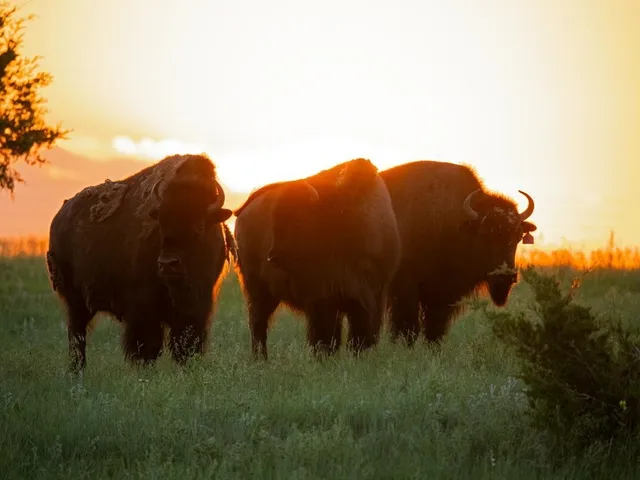
© WWF-US/Clay Bolt
Support Tribes restore buffalo to the Great Plains
The Indian Buffalo Management Act would strengthen support for Tribal Nations who are working to bring buffalo back from the brink of extinction.