Food and climate change
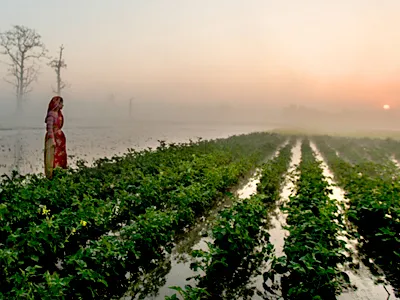
© GEORGE STEINMETZ/NATIONAL GEOGRAPHIC
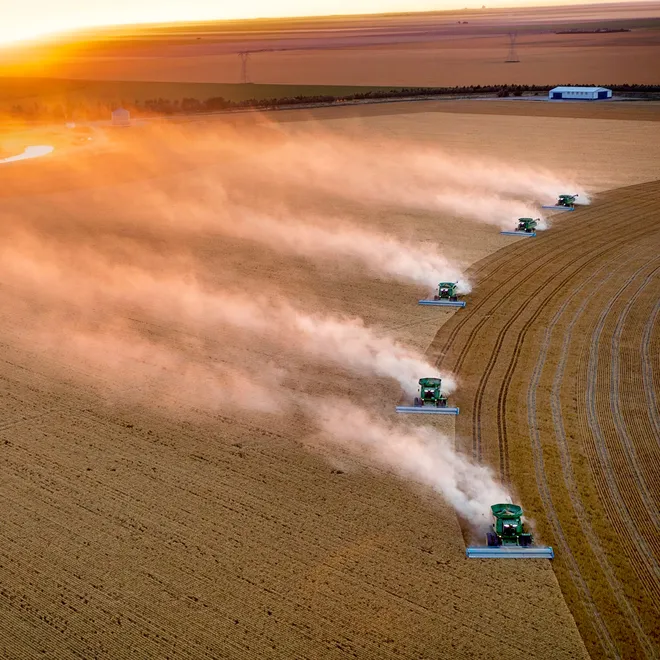
Food is perhaps the most complex climate issue of all. While there is general agreement that we need to halve the global environmental footprint of food production, collective action has been slow in coming. Despite these obstacles, solutions are still within reach. By thinking creatively, working collaboratively, and sharing information freely, we can accelerate the pace and scope of change, helping to reduce both food-related GHG emissions and habitat conversion.
Jason Clay, Executive Director of The Markets Institute at WWF, explored these topics in a series of 17 articles (below) written during COP 28. Each piece focuses on a key issue or trend and how we might think differently about making the global food system more resilient. Taken together, his work suggests how we can anticipate change, while seeking new and innovative solutions. To learn more or discuss these ideas, feel free to get in touch with Jason Clay.
© fcafotodigital / iStock
COP 28
COP28 and the Global Food System
© Plenty Unlimited Inc.
COP 28
Financing the Transformation — Stranded Assets
© JamesBrey / iStock
COP 28
Subsidize the Future, Not the Past
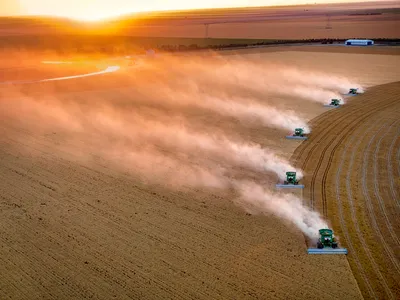
© GEORGE STEINMETZ/NATIONAL GEOGRAPHIC
COP 28
Moving the Bottom
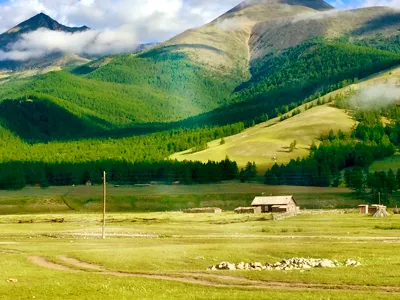
© Dan Plumley
COP 28
Living Agricultural Landscapes
© andresr / iStock
COP 28
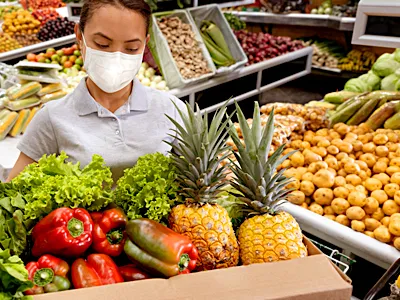
Creating Markets

© Avalon Studio / iStock
COP 28
Precompetitive Knowledge-Sharing
© Kosal Hor / iStock
COP 28
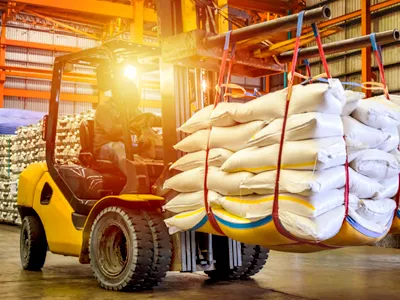
Long-Term Contracts — Contracting for the Future
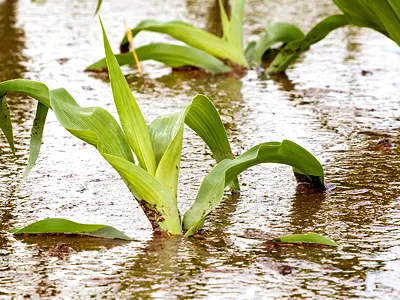
© JJ Gouin / iStock
COP 28
Climate Loss
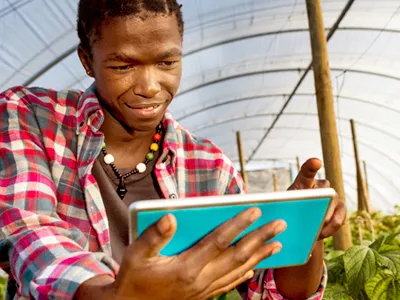
© subman / iStock
COP 28
New Labor Models and Community Livelihoods
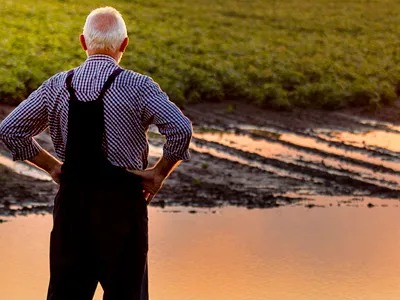
© Jevtic / iStock
COP 28
Older Farmers
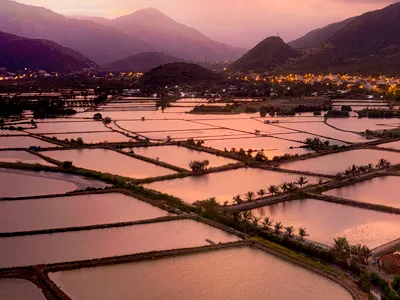
© Pham Hung / iStock
COP 28
Codex Planetarius
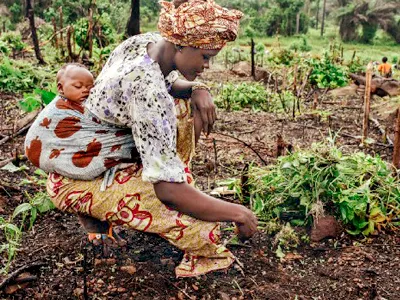
© Annie Spratt
COP 28
African Orphan Crops and the African Plant Breeders Academy
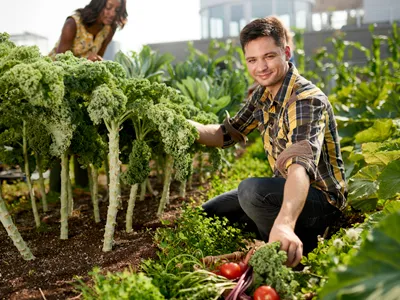
© julief514 / iStock
COP 28
Climatizing Agricultural Education Programs
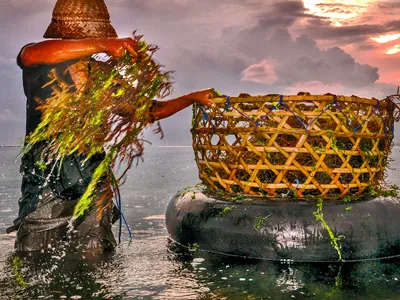
© BTWImages / iStock
COP 28
Criminality Masquerading as Illegality
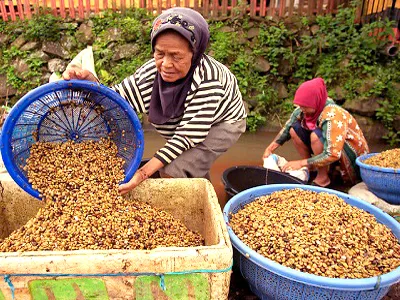
© AfricanOrphanCrops.org
COP 28
Talk’s Cheap, Results are Priceless
© James Morgan / WWF-US
COP 28