Wildlife Insights
The world’s largest camera trap database can automatically identify hundreds of wildlife photos in minutes

© Wildlife Insights
Monitoring the populations and movements of the planet’s most at-risk species is the first step towards protecting them. Each year, WWF scientists and field staff install thousands of camera traps, cameras equipped with infrared triggers, providing an unequaled view into the habits and habitats of wildlife populations. Millions of photos are collected every day, but all this information has a downside—it is time-consuming to sort through and painstaking to analyze, meaning most of it is never used or shared.
Wildlife Insights is a groundbreaking collaboration between the world’s leading conservation organizations to overcome these barriers. Together with our technology partners at Google, we have developed the world’s largest camera trap database, where NGOs, governments, and citizen scientists can upload, analyze, and share their camera trap photos with the conservation community.
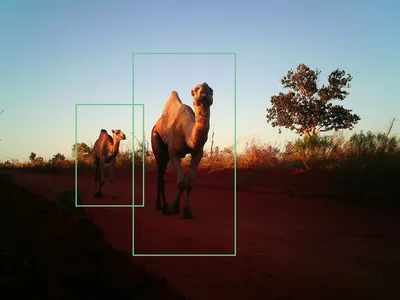
Equipped with cutting-edge artificial intelligence technology, Wildlife Insights can automatically identify hundreds of wildlife photos in minutes, a task that traditionally takes researchers weeks or months to complete. Now scientists can access photos and data on any device, whether in an office or out in the field. By sharing data in one place, Wildlife Insights is helping to facilitate collaboration and answer larger conservation questions.
With access to reliable and timely information on wildlife, scientists, land managers, and other stakeholders can better anticipate threats, understand where and why wildlife populations are changing, and take action to protect our most endangered species.
“By leveraging tools like Wildlife Insights, WWF is using AI to deliver actionable information to decision-makers more quickly, enabling conservation efforts to keep pace with the urgent challenges facing our planet.”
Abby Hehmeyer Lead, Biodiversity Monitoring & Conservation Technology
The process
© Wildlife insights
Organize
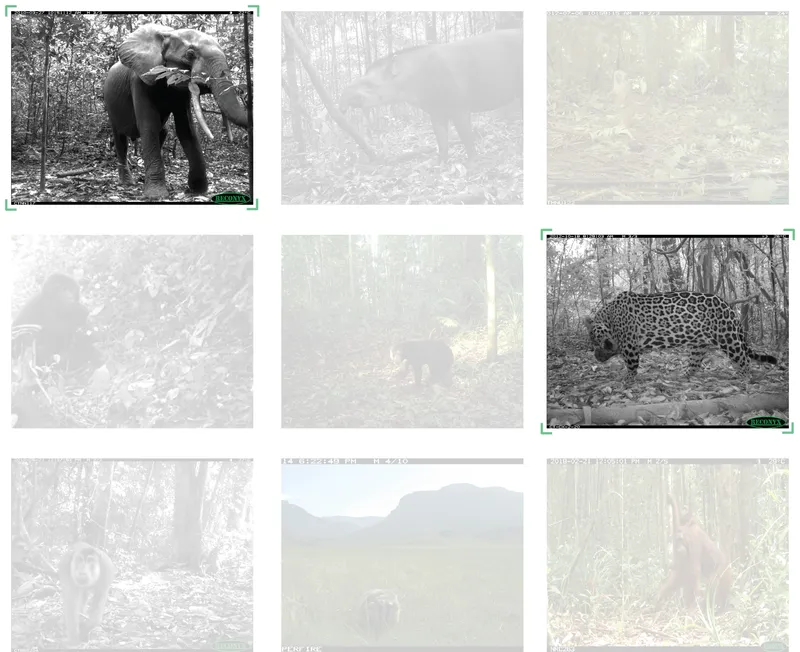
Anyone collecting camera trap photos can upload and share them with the global conservation community. Photos are stored online so you can access them from anywhere, from any device or computer, even out in the field.
© Wildlife Insights
Identify
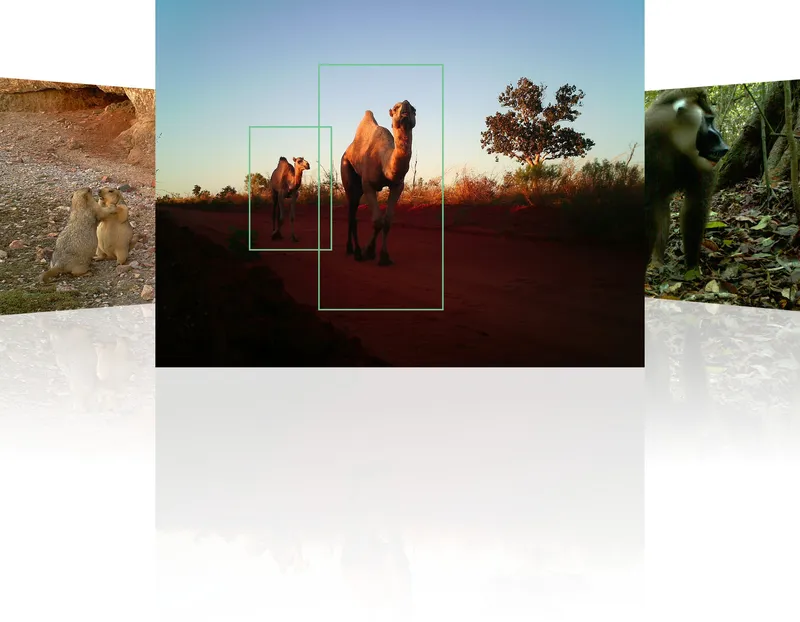
Animals in your photos are automatically identified using machine learning technology. Thousands of images can be tagged within minutes, saving researchers time to do more important work.
© Wildlife Insights
Analyze
Access a suite of tools to analyze wildlife trends and make customized reports. Wildlife Insights can help teams make better decisions and share compelling findings.
Case studies
WWF staff and partners around the world are using Wildlife Insights to quickly analyze their camera trap data and generate actionable insights to inform management decisions.
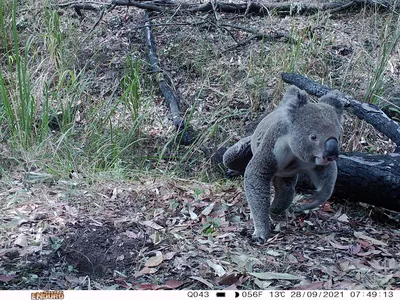
In Australia, partners used Wildlife Insights to rapidly process more than 7 million camera trap images collected across eight fire-affected regions following the 2019–2020 bushfires—the most severe in the country’s history. Using the Wildlife Insights AI model, which was trained on over 3 million Australian wildlife images, the system helped identify over 150 native species and dramatically accelerated post-fire biodiversity monitoring.

© Southern Ark
These insights are now being used to track the recovery of key indicator species such as koalas, brush-tailed rock wallabies, and Kangaroo Island dunnarts across burnt and unburnt landscapes, enabling land managers to target invasive species control, test recovery interventions like artificial shelters, and prioritize habitat restoration in some of the most severely impacted ecosystems. Read more about this project here.
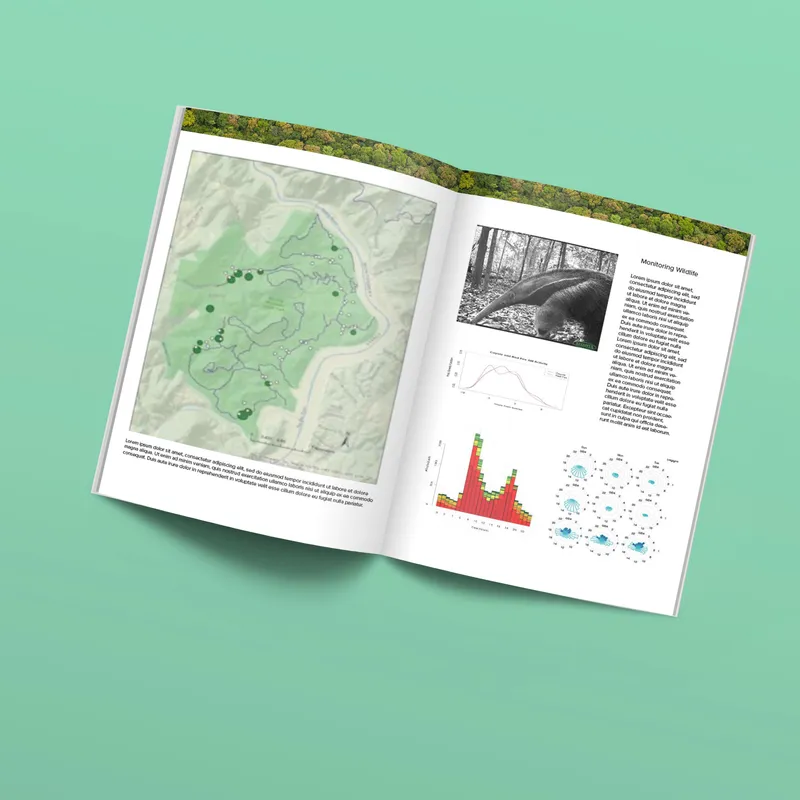
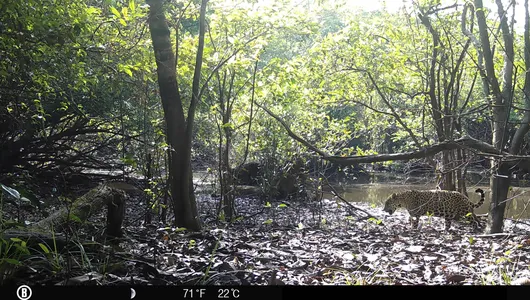
In Colombia, community monitors used Wildlife Insights to confirm a thriving jaguar population across a 496,000-hectare corridor in Guaviare, unlocking critical data to help communities reduce human–jaguar conflict, and strengthen coexistence.
And in Peru’s Madre de Dios, conservationists are using Wildlife Insights to track the recovery of jaguars as a key indicator species. By analyzing over 500,000 camera-trap records, 75 jaguars were identified, demonstrating that interventions like regenerative agriculture and forest restoration are successfully promoting species recovery and restoring biodiversity.
Featured projects
Partners
Stories
In the news
Experts