Publications
-
WWF believes that when the planet regains its natural strength and flourishes, people thrive, societies prosper, and the world is more peaceful. The private sector and financial institutions have an important role to play in our planet‚'s future.
-
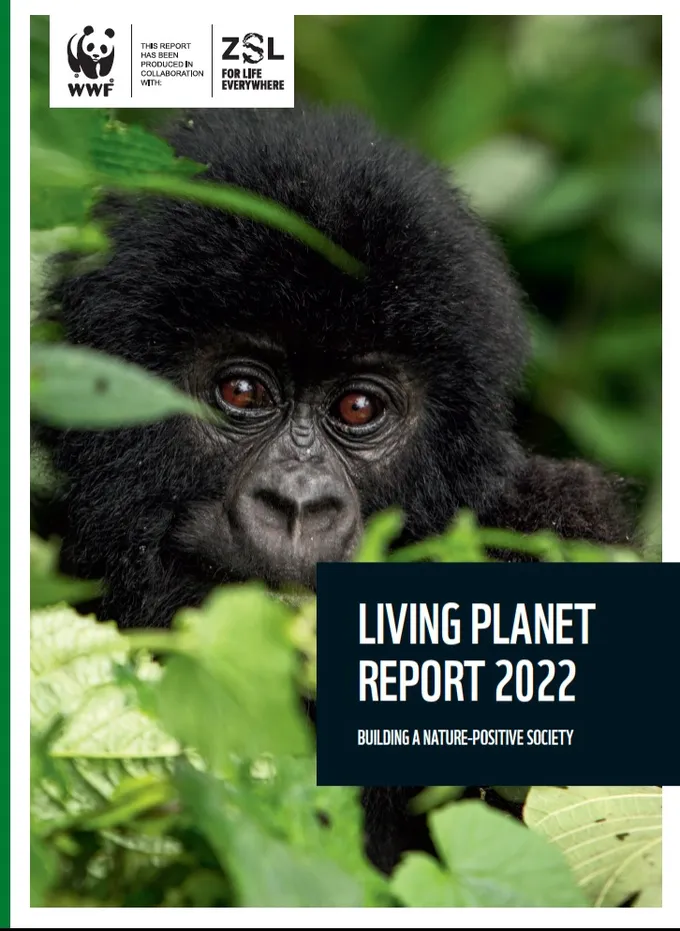
WWF's 2022 Living Planet Report is a comprehensive study of trends in global biodiversity and the health of the planet. This flagship WWF publication reveals an average decline of 69% in species populations since 1970. While conservation efforts are helping, urgent action is required if we are to reverse nature loss.
-
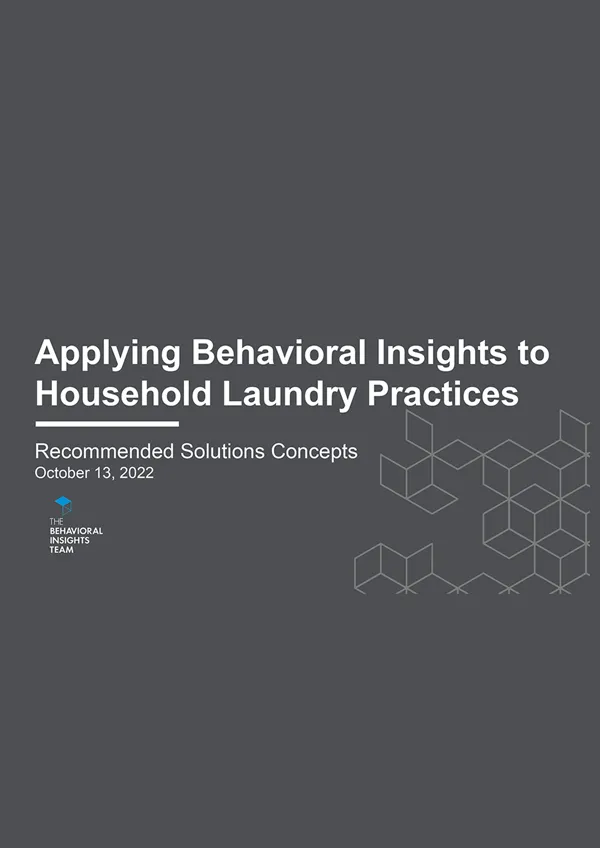
This deck summarizes BIT‚'s recommendations for behaviorally informed solutions to increase use of cold water wash (instead of warm or hot) among US households.
-
How can big data help address corruption in the forestry sector? New research undertaken by data analysts and financial flows experts at TRAFFIC and the Basel Institute on Governance under the Targeting Natural Resource Corruption project is testing new methods for automating data collection and analysis techniques used in other sectors to identify corrupt actors from the point of allocation of forest access rights.
-
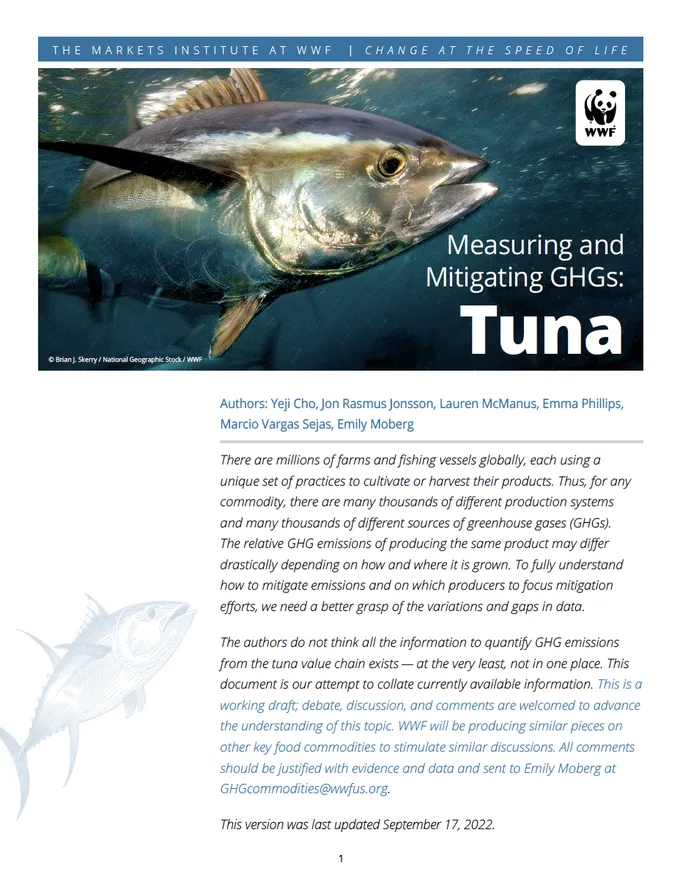
These commodity-focused briefs are our attempt to collate currently available information on GHG emissions from each of 10 products, which represent a range of foods -- from row crops to grazed and fed livestock, from tree-crops to aquaculture and wild-caught fish. We expect that new scientific research and advances in agricultural technology and practices will change what we know and reveal new questions. We hope you will be part of these works-in-progress and share new information or insights with us so we can all learn faster and act better and more quickly. To share information, feedback, or insights related to these briefs, please e-mail Emily Moberg at [email protected].
-
Case for action: Addressing Seafood Sector Risk in Financial Markets
-
This handout provides the technical definition of corruption as it is used in the anti-corruption field and lists different key corrupt behaviors.
Visit the TNRC Knowledge Hub for more resources.
-
This handout provides practitioners with a list of key strategy design and situational analysis questions to consider when integrating anti-corruption into programming.
-
This handout explains three comprehensive anti-corruption measures that practitioners should consider when addressing the threats posed by corruption.
-
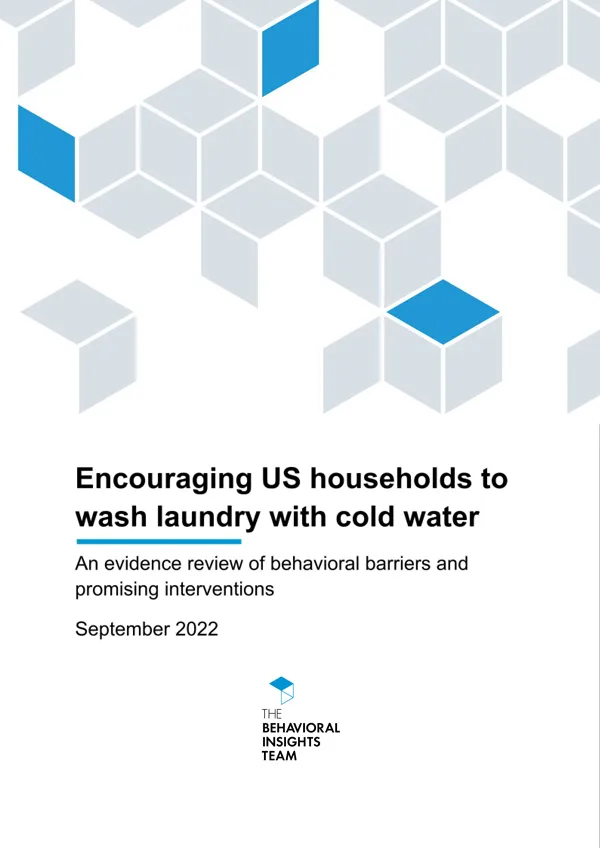
Tide and World Wildlife Fund (WWF) are sharing findings from a joint exploration to advance the science of eco-behavior change – undertaken as part of an ongoing collaborative effort to make washing laundry in cold water the next broadly adopted eco-habit as an important step to reduce greenhouse gas emissions. Tide and WWF believe the information gathered from their work together on laundry are applicable for all brands seeking to partner with consumers to create positive environmental impact and hope it will propel further dialogue around how to make more sustainable habits the social norm.
Tide and WWF engaged consumer insights research firm, Behavioral Insights Team (BIT), to undertake a comprehensive review of existing published research and case studies on sustainable habits, including relevant consumer tests from P&G and best practices in climate change impact from WWF.