Publications
-
-
-
-
-
-
-
This paper presents three case studies that portray how Free Trade Zones (FTZ) and Special Economic Zones (SEZ) characteristics contribute both to Illegal wildlife trade and corruption, while also demonstrating that wildlife trafficking is merely an expression of the multiple illicit economies that can take place in FTZs/SEZs in the absence of adequate controls. These cases also demonstrate that the corrupt practices within these areas do not necessarily differ from other forms of corruption happening elsewhere in the country, region, or trade chain. Rather, what makes FTZs/SEZs particularly interesting for illicit trade is the additional layer of opaqueness and complexity that they pose for local authorities.
Visit the TNRC Knowledge Hub for more resources.
-
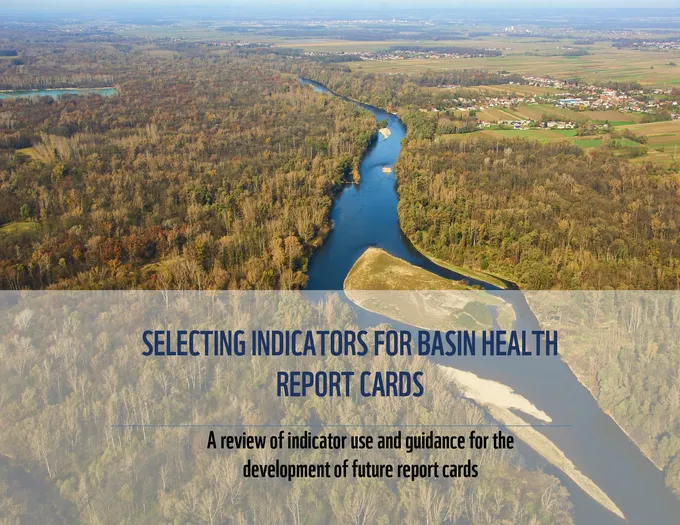
This guide is intended for those working to assess and manage resources, especially those interested in developing river basin health report cards. It reflects on the indicators that have historically been used for basin report cards and presents new ways to think of indicators, as the interface between nature and people becomes more and more intertwined. It is a supplementary guide to the Practitioner‚'s Guide to Developing River Basin Report Cards.
-
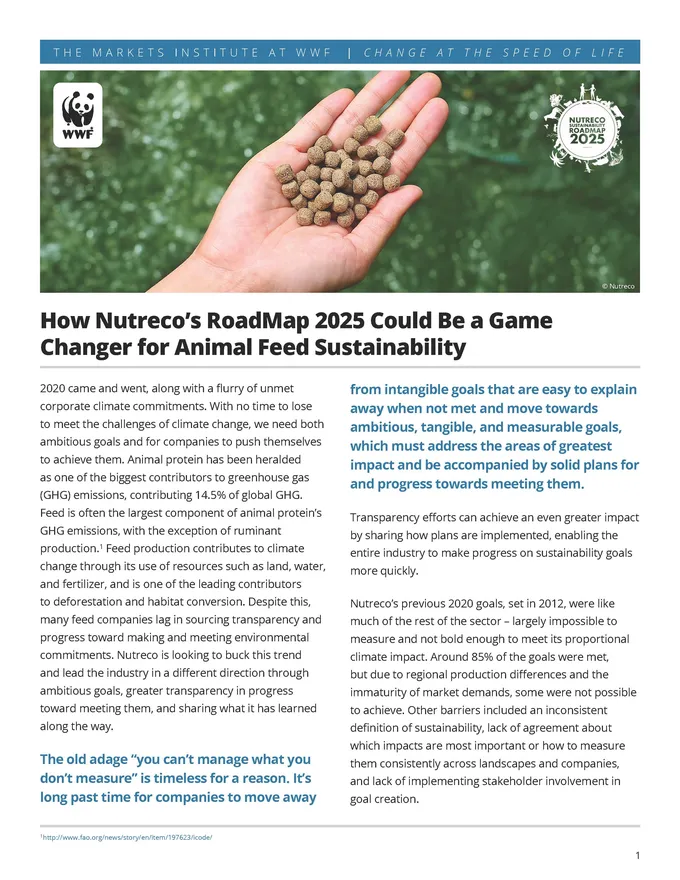
Livestock feed production is one of the leading contributors to greenhouse gas (GHG) emissions in the food sector, mainly due to deforestation and land conversion, whereby habitats are turned into farmland or rangeland. Nutreco, a leading manufacturer of both aquaculture and livestock feed, is taking innovative action to reduce its environmental impact by 2025. Its RoadMap 2025 outlines the company‚'s ambitious set of goals that address health and welfare, climate and circularity, and good citizenship. WWF's business brief examines Nutreco's plan and see what lessons could be applicable to the entire feed industry.
-
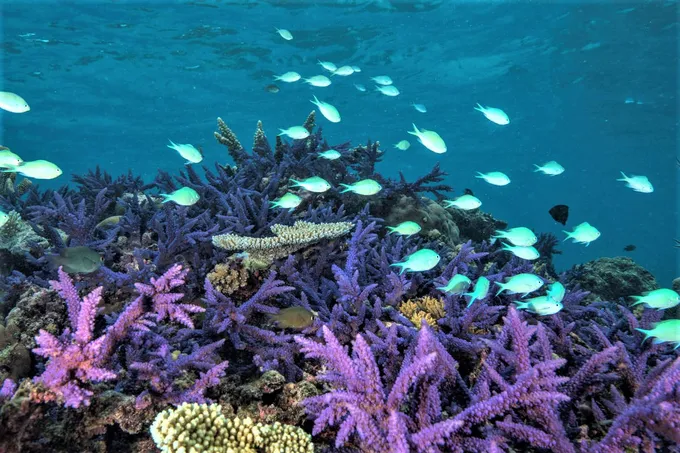
The Great Sea Reef (GSR) region in Fiji stretches across an arc over 450 km long from the western coast of Viti Levu to the northeastern point of Vanua Levu. The GSR contains over 1,200 km2 of reef systems, including the third-largest barrier reef system in the world. It is exceptionally biodiverse‚ – with over three-quarters of known coral species, over half of the recorded fish species, and almost half of known endemic species from Fiji. The GSR also plays a crucial role in Fijian livelihoods, food security, and cultural identity. A third of the Fijian population lives within the region, and over three-quarters of all inshore fish supplied to urban markets are sourced from the reef. The GSR is also a major hub of international tourism‚ – which generates over FJD 1.1 billion annually and accounts for more than 25% of Fiji's GDP. Marine areas within the reef are divided into qoliqoli‚ – customary fishing areas‚ – which are under the control of Indigenous Fijian communities.
In September-October 2019 the most comprehensive ecological survey of the GSR conducted to date was completed. The survey spanned 74 sites, extending along the full length of the GSR, from the Mamanuca Islands in the southwest to Udu point in the northeast. Of the sites surveyed, 48 had historic survey data available, allowing trends in coral reef health to be calculated. Survey results are reported for the GSR by province and by individual qoliqoli.