Publications
-
A new report from WWF, Calvert Investments, CDP and Ceres finds nearly half of Fortune 500 companies‚ – 48%‚ – have at least one climate or clean energy target, up 5% from an earlier 2014 report.
This is the next report in the series after: Power Forward 2.0: How American Companies Are Setting Clean Energy Targets and Capturing Greater Business Value .
Other key findings:
- Nearly 80,000 emission-reducing projects by 190 Fortune 500 companies reporting data showed nearly $3.7 billion in savings in 2016 alone.
- The annual emission reductions from these efforts are equivalent to taking 45 coal-fired power plants offline for one year.
- The largest companies in the Fortune 500–the Fortune 100–continue to lead: Sixty-three percent of Fortune 100 companies have set one or more clean energy targets.
- There has been strong improvement among the smallest 100 companies in the Fortune 500, with 44% setting goals in one or more categories, up 19 percentage points from the 2014 report.
- A growing number of companies are setting 100% renewable energy goals and science-based greenhouse gas reduction targets that align with the global goal of limiting temperature rise to below two degrees Celsius.
The report documents how different sectors compare in setting targets and how Fortune 500 companies are doing in meeting the targets they‚'ve set. The report also includes key recommendations for companies, policymakers and investors to continue to scale clean energy efforts, such as:
- Companies should continue to set, implement, and communicate clean energy targets, while supporting local, state, and national policies that make it easier to achieve their climate and energy commitments.
- Federal and state policymakers should establish clear, long-term low-carbon polices that will help companies meet their clean energy targets while also helping the US meet its carbon-reducing commitments under the Paris Climate Agreement.
- Investors should consider allocating their investments to companies well-positioned for the low-carbon economy and continue to file shareholder resolutions and engage in dialogues with companies to encourage them position themselves for the coming low-carbon future.
- Utilities should provide renewable energy purchasing options in line with what their corporate customers want.
For additional information, please visit the following WWF pages:
For previous reports in the Power Forward series, please see:
-
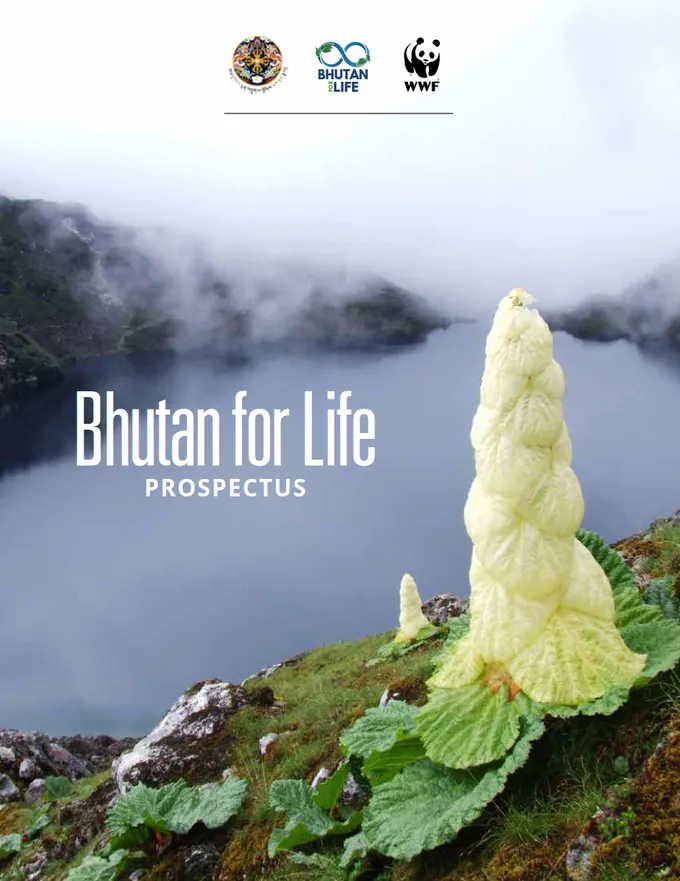
Resources - Bhutan for Life Prospectus and Story Book

-
-
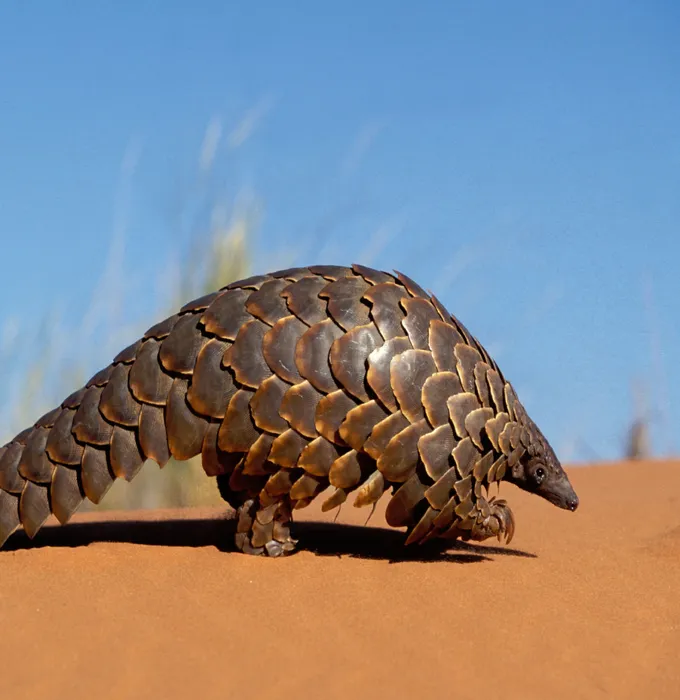
WWF's report Halting the illegal trade of CITES species from World Heritage Sites, finds that poaching occurs in almost 30% of World Heritage Sites where one third of the world's remaining wild tigers and 40% of all African animals live. These unique sites are also the last refuge for some critically endangered species such as Javan rhinos in Indonesia and vaquitas in Mexico.
-
The seminal message of Water, Security and U.S. Foreign Policy is that both U.S. prosperity and national security are under rising pressure resulting from the economic and social impacts caused by water scarcity, extreme weather events and water-driven ecological change in key geographies around the world. Those water-driven stresses are, with greater frequency, undermining economic productivity, weakening governance systems and fraying social cohesion. Water scarcity has created a context of human and societal need wherein water stress has undermined the vitality of rural livelihoods, driven broad migratory movements, become a weapon of war, contributed to the growth of insurgencies and terrorist networks and given rise to increased demand for U.S. development, humanitarian and military assistance.
-
Nigeria is ranked among the most fragile states in the world. The country faces significant water challenges, which vary greatly from one region to another. Weak governance exacerbates these water challenges, and in turn, conflicts over water resources make governance more difficult. There are three main geographical flashpoints where conflict over water is likely to break out. In the north and northeast, Boko Haram has waged a violent insurgent campaign since 2010; among their demands are government provision of clean water. In Nigeria‚'s Middle Belt, changing rainfall patterns are limiting the grazing area of Muslim Fulani herders, who then encroach on the land of predominantly Christian farmers. Conflict over these lands killed more Nigerians than Boko Haram in 2016. Finally, in the Niger Delta, militant groups are attacking oil infrastructure, partially motivated by conflict over rights to land and waterways. Oil spills also contribute to food insecurity and malnutrition in this region.
-
Myanmar‚'s climate is projected to shift dramatically in the coming decades, having a lasting and significant impact on Myanmar‚'s ecosystems and, in turn, on human health, agriculture, food security, infrastructure, local livelihoods and the larger economy. The climate risk information in this report, developed in collaboration with the Department of Meteorology (DMH) and in consultation with other key stakeholders, can aid adaptation and resilience planning across many sectors.
This report presents climate risk information including observed climate and future projections of temperature, rainfall, sea level rise and various extreme events, and outlines how this information can be used in decision-making. It also describes how climate change will affect biodiversity and ecosystem services, coastal zones, health, agriculture, infrastructure, water resources and urban areas. Finally, it documents how climate risk information is being used by the Myanmar Climate Change Alliance (MCCA) to support local ecosystem-based adaptation planning in the delta and Dry Zone towns of Labutta and Pakkoku. It should be seen as a contribution to the broader work on climate change and official projections on temperature and precipitation being carried out by DMH and the Regional Integrated Multi-Hazard Early Warning System for Africa and Asia (RIMES) due to be released in the near future.
-
This annual update covers the second year of the Wildlife Crime Initiative from July 2015-June 2016. While there were worrying stories this year, there were also notable signs of progress in all four of our thematic pillars: poaching, trafficking, buying, and policy. We will continue to build on our existing work and aim to develop new and innovative directions with our partners that will have a critical impact in mobilizing and catalyzing global and national efforts to stop illegal wildlife crime.
-
WWF and Royal Caribbean Cruises Ltd. launched a partnership in 2016 to help ensure the health of our oceans. Marking the one-year anniversary of our five-year partnership, we have made much progress towards achieving our first set of 2020 goals. Through the partnership, Royal Caribbean will aim to achieve ambitious and measurable sustainability targets that reduce the company‚'s environmental footprint, raise awareness on the importance of ocean conservation among Royal Caribbean‚'s more than 5 million passengers worldwide, and support WWF‚'s oceans conservation work.
Learn more about how the past year has begun laying the groundwork across priority areas, which include sustainable seafood and other key commodities, destination stewardship, and emissions reductions.
-
This brief aims to help decision-makers across sectors in Myanmar incorporate climate change risks into planning and investment decisions by summarising key messages from a detailed technical analysis of climate change in Myanmar that is released alongside this report.
Specifically, this brief does the following:- Provides climate risk information, including observed historical climate and future projections of temperature, rainfall, sea level rise and extreme weather events.
- Highlights how climate change will affect sectors such as biodiversity and ecosystem services, coastal zones, health, agriculture, infrastructure, water resources, and urban areas.
- Provides on-the-ground examples of how climate risk information is being used by the Myanmar Climate Change Alliance (MCCA) to support local planning in the Ayeyarwady Delta and the Central Dry Zone.
- Supports a flexible adaptation approach, providing a range of possible future climates in Myanmar, which helps address changes and impacts already underway and guides planning for changes that are likely to worsen in the future for Myanmar‚'s people, ecosystems, and economy.
Based on analyses of 19 observed weather stations, the climate in Myanmar is already changing:
- Between 1981 and 2010, average temperatures increased by 0.25C.
- The pace of warming has been faster inland than in coastal areas, and the rise in daily maximum temperatures has been greater than the daily average.
- Annual total rainfall increased slightly between 1981 and 2010, with a greater rate of increase in coastal areas than in inland ones.
- In coastal areas, the increases occurred throughout the year, while in inland areas the increases occurred mainly during the monsoon season.
- Research suggests that the summer monsoon season has become shorter by approximately one week, on average (Lwin, 2002).