Publications
-
Follow-the-money techniques are essential to detect, investigate and prosecute environmental criminals and their corrupt facilitators.
-
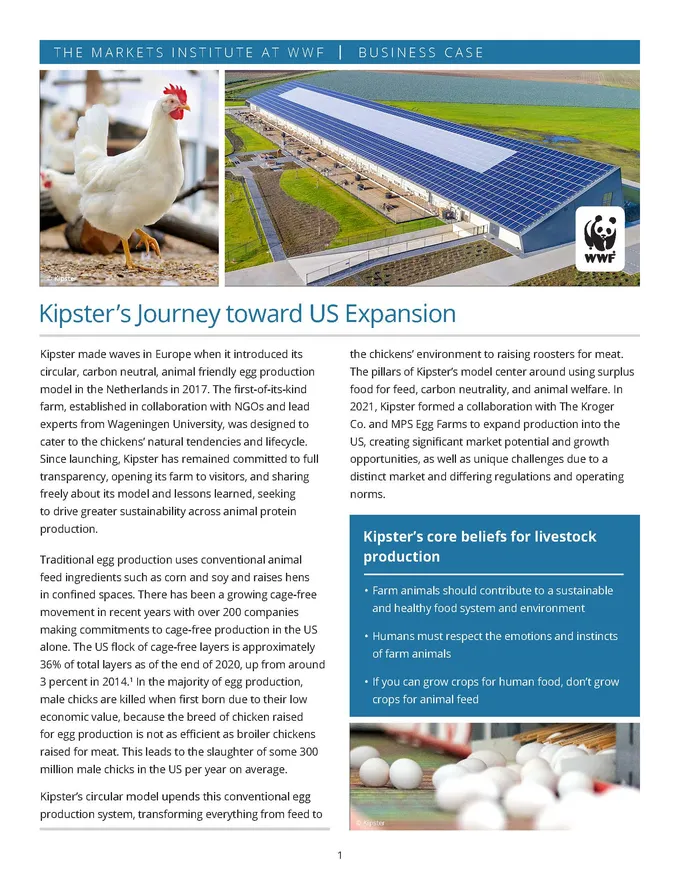
Kipster made waves in Europe when it introduced its circular, carbon neutral, animal friendly egg production model in the Netherlands in 2017. The first-of-its-kind farm, established in collaboration with NGOs and lead experts from Wageningen University, was designed to cater to the chickens‚' natural tendencies and lifecycle. Since launching, Kipster has remained committed to full transparency, opening its farm to visitors, and sharing freely about its model and lessons learned, seeking to drive greater sustainability across animal protein production.
The pillars of Kipster's model center around using surplus food for feed, carbon neutrality, and animal welfare. In 2022, Kipster expanded production into the US, creating significant market potential and growth opportunities, as well as unique challenges due to a distinct market and differing regulations and operating norms.
-
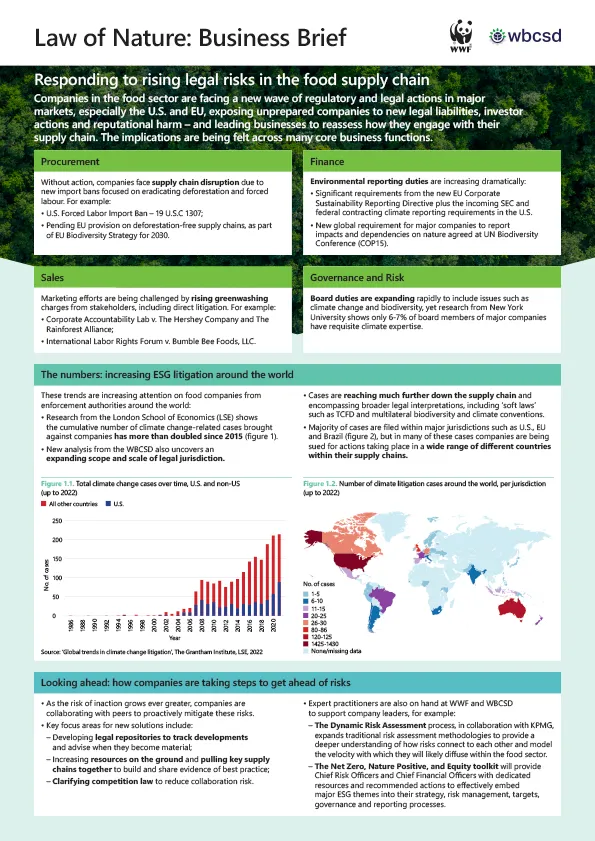
Companies in the food sector are facing a new wave of regulatory and legal actions in major markets.
-
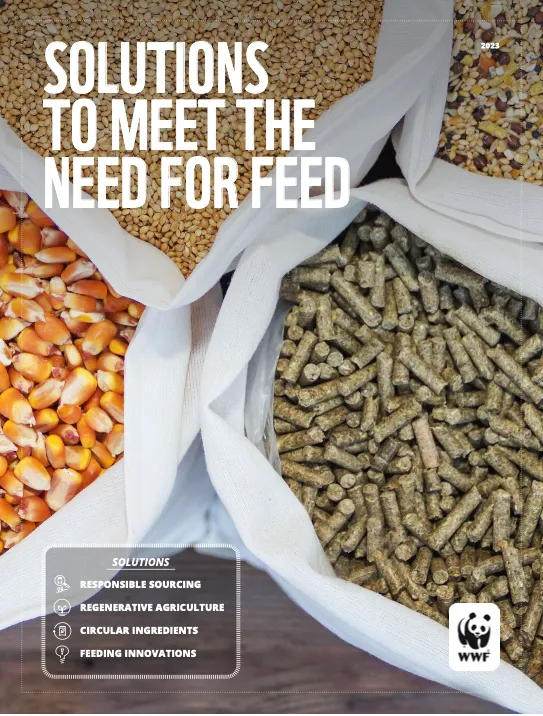
Livestock and poultry have been a valuable part of the global agricultural landscape for millennia. As global meat production has quadrupled over the past fifty years, the corresponding growth in production and consumption of animal products and feed requires increased attention to the impacts of these intertwined systems and processes. As a component of the food system‚'s footprint, animal-sourced foods currently account for 11% of global greenhouse gas emissions, 12% of global freshwater consumption and have been responsible for 65% of global land use change from 1961-2011. Collective action across the feed value chain can deliver positive impacts to climate, biodiversity, water use, and protection of critical landscapes.
This white paper highlights how solutions that address Responsible Sourcing, Regenerative Agriculture, Circular Ingredients, and Feeding Innovations can support aligned efforts to meet corporate and national climate commitments while building climate resilience for feed systems.
-
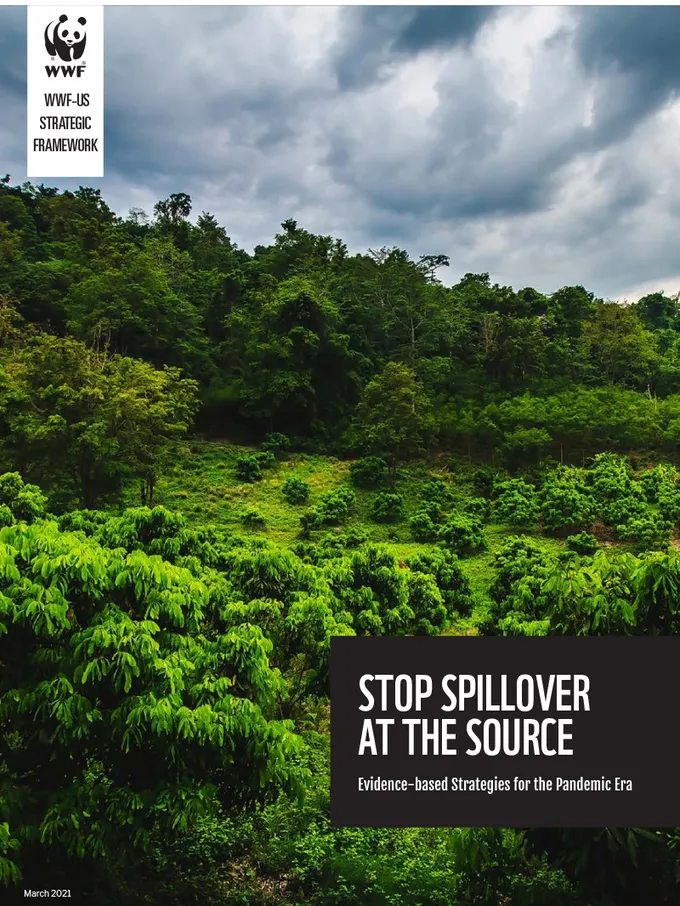
The devastating human and economic losses resulting from the COVID-19 pandemic have changed the lives of people throughout the world. In building back better, we reimagine a new world in which we collaborate creatively with current and new partners and carefully consider the interacting drivers of emerging infectious diseases.
This overarching strategy frames a way forward for WWF and partners, prioritizing interventions that deliver the greatest potential leverage in the zoonoses system to prevent future pandemics by stopping spillover at its source. This framework is based on a systems analysis of zoonoses and engagement with experts and draws on the WWF internal science brief, Beyond Boundaries.
Systems analytics allow us to deeply understand the underlying, nonlinear dynamics that give rise to the spillovers of animal disease into human populations. We describe those dynamic feedback loops and identify the relevance of conservation in disrupting the primary drivers, and we lay out a portfolio of interventions for conservation. The interventions are those with the highest potential to deliver on our aspirational vision for a better, more equitable world. Our eye remains on the aspiring vision for a whole-planet shift to humans and nature living in harmony.
-
-
-
-
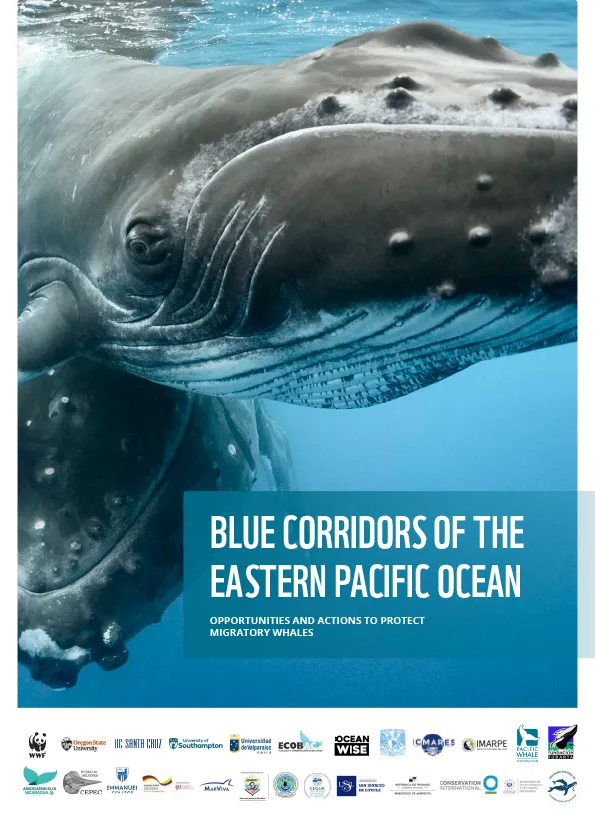
The focus of this report is the Eastern Pacific Ocean where there are growing risks and conservation opportunities for whales undertaking oceanic migrations over thousands of kilometers. The productive oceanographic conditions, features and currents of the Eastern Pacific Ocean support a wealth of great whale populations.
Climate change, ship traffic, underwater noise and fishing activity are impacting whales along multiple points on their important migration routes, crucial for their survival. WWF and partners have identified actions for governments, industry and individuals to safeguard whale superhighways across the Eastern Pacific Ocean by 2030.
In 2022, drawing on the latest scientific evidence from years of satellite tracking data and knowledge from the global research community, WWF and its partners – including the University of California Santa Cruz, Oregon State University, University of Southampton and many others – compiled over thirty years of data to map routes of migratory whales as they move through international waters, national seas and coastal areas, between key breeding and foraging locations.
The analysis in this report focuses on the Eastern Pacific Ocean, from the Bering Strait to the Antarctic Peninsula. It draws on a conservation practice already widely used on land known as "connectivity conservation" but applies it to the world‚'s seas. Connectivity conservation is a concept that recognizes that species survive and adapt better when their habitats are managed and protected as large, interconnected networks.
Based on satellite tracking, photo identification and other data sources, the report illustrates case studies of emerging blue corridors for whales and some hotspots where there is growing human interference. The report highlights conservation opportunities and ideas to implement solutions.
-
The WWF-CARE Alliance works at the critical intersection of development and conservation. Powered by two global leaders in their respective fields, the Alliance leverages complementary skills, competencies, and scale to strengthen ecosystems, support the women who depend on them, and help build a future where people and nature thrive.