Publications
-
Cognitive biases can undermine decision-making processes and obscure the influence of evidence. This briefing describes key cognitive biases and provides an overview of eight available tools and techniques that can be used to counter them in organizational decision-making.
-
WWF is a conservation organization and seeks to advance its mission - a world in which both people and nature thrive - on the fundamental principle that positive outcomes for both people and nature depend on firmly anchoring and integrating human rights into conservation practices. Promotion of gender equality is core to this approach and a cross-cutting theme for all of our work.
Whilst respecting national laws and the role of the State, this Statement of Principles applies in the context of all WWF’s work. It is part of WWF’s core standards, which have been adopted across the WWF Network and are supported by WWF’s core values of courage, integrity, respect and collaboration.
-
WWF is a conservation organization and seeks to advance its mission - a world in which both people and nature thrive - on the fundamental principle that positive outcomes for both people and nature depend on firmly anchoring and integrating human rights into conservation practices. While the protection of human rights lies with states as the ‘duty-bearer’, WWF recognizes that businesses and organizations, including ours, can play an important role in respect to human rights.
Whilst respecting national laws and the role of the State, this Statement of Principles applies in the context of all WWF’s work. It is part of WWF’s core standards, which have been adopted across the WWF Network and are supported by WWF’s core values of courage, integrity, respect and collaboration.
-
WWF is a conservation organization and seeks to advance its mission - a world in which both people and nature thrive - on the fundamental principle that positive outcomes for both people and nature depend on firmly anchoring and integrating human rights into conservation practices. Promotion of the rights of Indigenous Peoples is core to this approach and a cross-cutting theme for all of our work.
Whilst respecting national laws and the role of the State, this Statement of Principles applies in the context of all WWF’s work. It is part of WWF’s core standards, which have been adopted across the WWF Network and are supported by WWF’s core values of courage, integrity, respect and collaboration.
-
This brief summarizes empirical evidence and learning from U4 research as part of the five-year, USAID-supported, Targeting Natural Resource Corruption (TNRC) Project, which focuses on helping to reduce the role that corruption plays in enabling and exacerbating environmental and social harms. The first part describes the research; the second part summarizes key findings and implications for practice.
---
This content is made possible by the generous support of the American people through the United States Agency for International Development (USAID). The contents are the responsibility of World Wildlife Fund (WWF) and do not necessarily reflect the views of USAID, the United States Government, or individual TNRC consortium members.
-
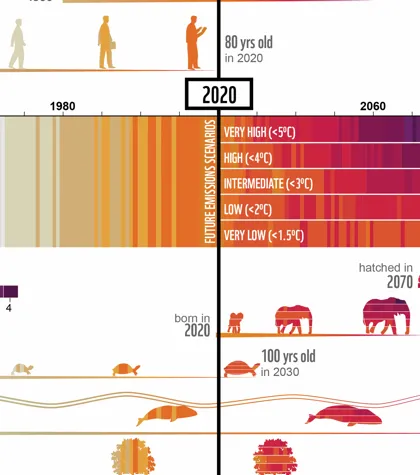
The IPCC Sixth Assessment Synthesis report illustrated how the climate has already changed and will continue to change and impact multiple generations in a compelling infographic referred to as ‚Äòclimate generations.‚' WWF adapted the figure to emphasize how climate change affects generations across all species on the planet by adding plants and animals with short and long life spans.
-
Does your work focus on community-based natural resource management or involve indigenous peoples and local communities? Are you concerned that corruption is driving negative outcomes? This guide outlines three steps to start building anti-corruption approaches into your conservation programming.
For more resources and tools, visit TNRCproject.org.
---
This content is made possible by the generous support of the American people through the United States Agency for International Development (USAID). The contents are the responsibility of World Wildlife Fund (WWF) and do not necessarily reflect the views of USAID, the United States Government, or individual TNRC consortium members.
-
Does your work focus on addressing climate change? Significant strengthening of governance systems is essential to reduce corruption risks and make climate change policy and finance less vulnerable to corruption. This guide outlines three steps to start building anti-corruption approaches into your conservation programming.
For more resources and tools, visit TNRCproject.org.
---
This content is made possible by the generous support of the American people through the United States Agency for International Development (USAID). The contents are the responsibility of World Wildlife Fund (WWF) and do not necessarily reflect the views of USAID, the United States Government, or individual TNRC consortium members.
-
Does your work focus on addressing illegal logging and associated trade? Are you concerned that corruption is driving deforestation and illegal timber flows? This guide outlines three steps to start building anti-corruption approaches into your conservation programming.
For more resources and tools, visit TNRCproject.org.---
This content is made possible by the generous support of the American people through the United States Agency for International Development (USAID). The contents are the responsibility of World Wildlife Fund (WWF) and do not necessarily reflect the views of USAID, the United States Government, or individual TNRC consortium members.
-
Does your work focus on addressing illegal, unreported and unregulated (IUU) fishing? Are you concerned that corruption is driving negative outcomes? This guide outlines three steps to start building anti-corruption approaches into your conservation programming.
For more resources and tools, visit TNRCproject.org.
---
This content is made possible by the generous support of the American people through the United States Agency for International Development (USAID). The contents are the responsibility of World Wildlife Fund (WWF) and do not necessarily reflect the views of USAID, the United States Government, or individual TNRC consortium members.