Publications
-
Does your work focus on protected areas and natural resource governance? Are you concerned that corruption is driving negative outcomes? This guide outlines three steps to start building anti-corruption approaches into your conservation programming.
For more resources and tools, visit TNRCproject.org.---
This content is made possible by the generous support of the American people through the United States Agency for International Development (USAID). The contents are the responsibility of World Wildlife Fund (WWF) and do not necessarily reflect the views of USAID, the United States Government, or individual TNRC consortium members.
-
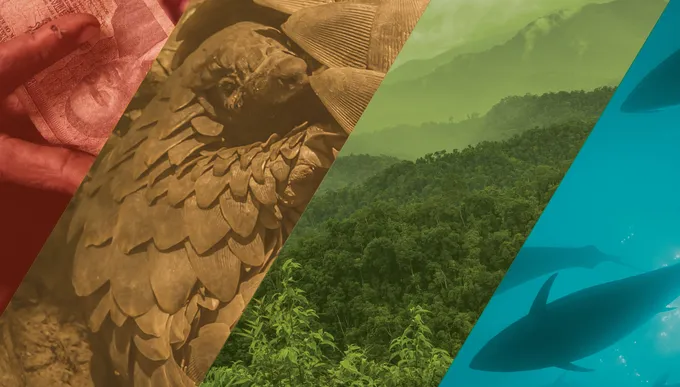
Does your work focus on enhancing the sustainability of legal supply chains for wildlife, timber and fish? Are you concerned that corruption is driving negative outcomes? This guide outlines three steps to start building anti-corruption approaches into your conservation programming.
For more resources and tools, visit TNRCproject.org.
---
This content is made possible by the generous support of the American people through the United States Agency for International Development (USAID). The contents are the responsibility of World Wildlife Fund (WWF) and do not necessarily reflect the views of USAID, the United States Government, or individual TNRC consortium members.
-
Does your work focus on combating wildlife trafficking? Is corruption enabling illicit trade and undermining your results? This guide outlines three steps to start building anti-corruption approaches into your conservation programming.
For more resources and tools, visit TNRCproject.org.---
This content is made possible by the generous support of the American people through the United States Agency for International Development (USAID). The contents are the responsibility of World Wildlife Fund (WWF) and do not necessarily reflect the views of USAID, the United States Government, or individual TNRC consortium members.
-
This guide is a high-level "how-to" for carrying out a corruption risk assessment in a conservation law enforcement context, using the Map, Characterize, Assess, and Recommend (MCAR) approach designed by the Basel Institute on Governance. The first section covers planning: the resources, timing, and other considerations for setting up the assessment. The second section lays out each step of the assessment, with tips, basic instructions, and implementation recommendations for each stage. Finally, the annexes provide sample supporting materials, including a simplified process diagram and map, a sample questionnaire for interviews, and a basic confidentiality agreement.
This TNRC Guide shares practical knowledge for program designers and implementers to reduce corruption‚'s impact on conservation.---
This content is made possible by the generous support of the American people through the United States Agency for International Development (USAID). The contents are the responsibility of World Wildlife Fund (WWF) and do not necessarily reflect the views of USAID, the United States Government, or individual TNRC consortium members.
-
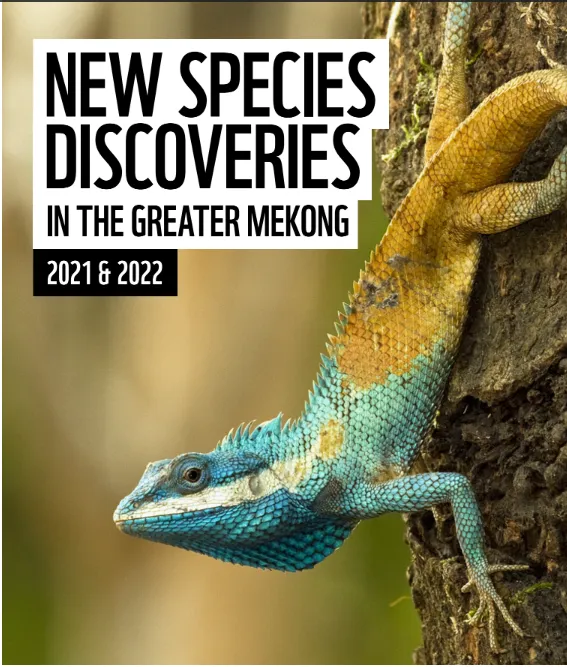
A color-changing lizard, a thick-thumbed bat, a poisonous snake named after a Chinese mythological goddess, an orchid that looks like a Muppet, and a tree frog with skin that resembles thick moss are five of the 380 new species described by scientists in the Greater Mekong region of Southeast Asia in 2021 and 2022, according to a new report releasing soon by WWF. With many of the species already under threat of extinction from human activities, WWF is calling on governments in the region to increase protection for these rare, amazing creatures and their habitats.
-
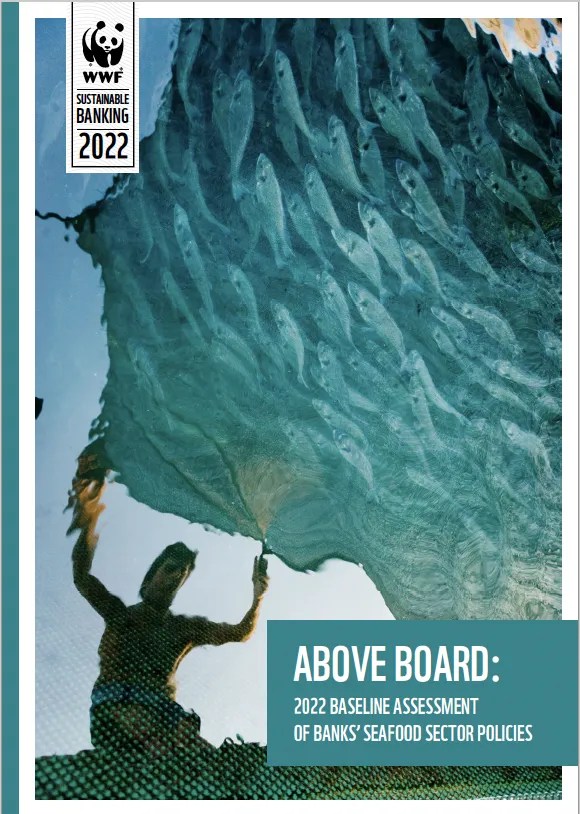
During the second half of 2022, WWF conducted a baseline assessment of 41 banks‚' seafood-related sector policies to understand how banks are currently managing E&S risks in their seafood portfolios, and where, specifically, additional support may be most needed. This report highlights key findings from this assessment, provides actionable recommendations for banks, and directs readers to practical resources to guide next steps.
See the 2023 annual update to this assessment here.
-
This two-pager provides a high-level overview of how WWF has been engaging financial institutions to address environmental and social risks in their seafood portfolios, and where there are opportunities to get involved.
-
During early 2023, WWF conducted a baseline assessment of 42 asset managers‚' approaches to addressing environmental and social risks in seafood-related investments. WWF then analyzed the assessment result to understand how asset managers are currently managing E&S risks in their seafood portfolios, and where, specifically, additional support may be most needed. This report highlights key findings from this analysis, provides actionable recommendations for asset managers, and directs readers to practical resources to guide next steps.
-
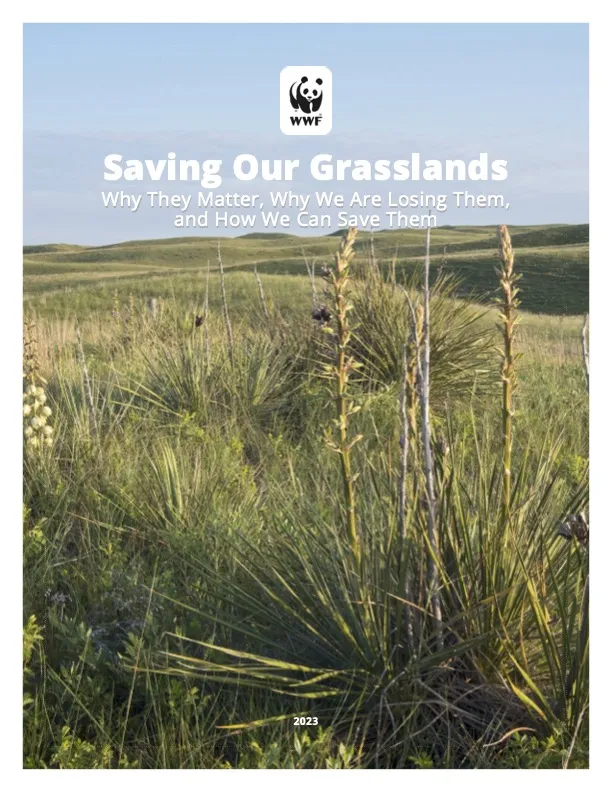
Grasslands are essential to people, nature and climate. They hold approximately one-third of global terrestrial carbon stocks and provide critical resilience in the face of climate change, including drought, heat and wildfire. Grasslands are also home to a variety of wildlife species and are essential to the livelihoods and food security of communities around the world.
And yet grasslands are critically imperiled ecosystems in the world, with only a few large, intact tracts remaining. More than 70 percent of America‚'s prairies have been destroyed. In the Great Plains, 1.8 million acres of grassland habitat were lost in 2020, and another 10 million acres were plowed up‚ – all for row crop agriculture. This large-scale habitat loss is a major contributor to the precipitous decline of grassland birds and the loss of vast amounts of sequestered carbon.
To reverse the current trends, two federal policies that are unintentionally encouraging grassland conversion should be revised. More investment should be made to keep grasslands intact and support sustainable, grass-based agriculture.
-