Publications
-
Strategic litigation has emerged as a crucial institutional space for contesting environmental and natural resource management (NRM) policies worldwide. In many contexts where conservation and NRM practitioners work, ineffective environmental regulations and the rule of law deficits have led to irreparable social and environmental damage, such as the diversion of scarce water from pressing local needs and the disruption of fragile ecosystems. Corruption has enabled this damage, undermining regulations and promoting impunity for violating laws or causing harm. This Brief surveys the history of the strategic litigation concept, explores the three trends that have emerged in its use, and closes with a set of anti-corruption lessons for conservation and NRM practitioners.
---
This content is made possible by the generous support of the American people through the United States Agency for International Development (USAID). The contents are the responsibility of World Wildlife Fund (WWF) and do not necessarily reflect the views of USAID, the United States Government, or individual TNRC consortium members.

-
Key Takeaways
- Corruption is a key enabler of the illegal wildlife trade and its effects are not widely understood. Reviewing past cases can offer a way to explore this relationship.
- While red flags of potential corruption were identified, the review of closed wildlife crime court cases alone was not sufficient to identify confirmed instances of corruption.
- To obtain useable information, court case reviews must be complemented with additional information obtained from press articles, relevant experts, and members of the criminal justice system. Specifically, these consultations can help ascertain the barriers that prevent the identification, investigation, and charging of corruption offences in wildlife crime court cases.
- Where feasible and appropriate, practitioners should consider partnering with relevant government agencies to ensure access to court records, and to feed back to those agencies any suspicions of corrupt practices worthy of further investigation.
---
This content is made possible by the generous support of the American people through the United States Agency for International Development (USAID). The contents are the responsibility of World Wildlife Fund (WWF) and do not necessarily reflect the views of USAID, the United States Government, or individual TNRC consortium members.
-
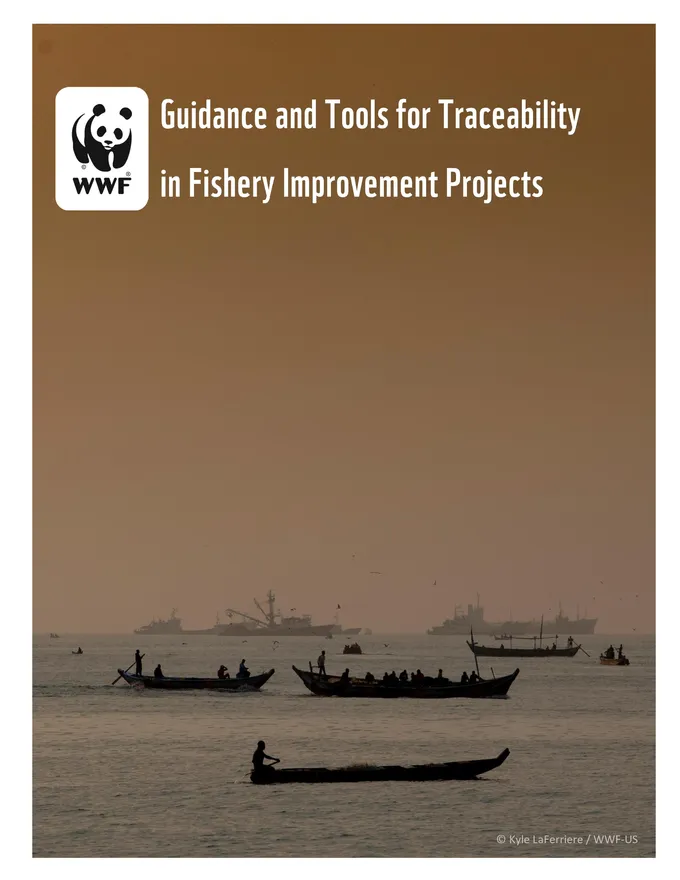
WWF has produced this comprehensive guidance to help Fishery Improvement Project (FIP) practitioners and stakeholders work successfully with the issue of seafood traceability to achieve improved FIP outcomes and to encourage transparent and responsible practices across the fishing industry. The guidance is divided into two parts to provide both a theoretical introduction to traceability in the context of FIPs and a set of practical tools to help FIP managers and stakeholders integrate traceability into FIP practices.
-
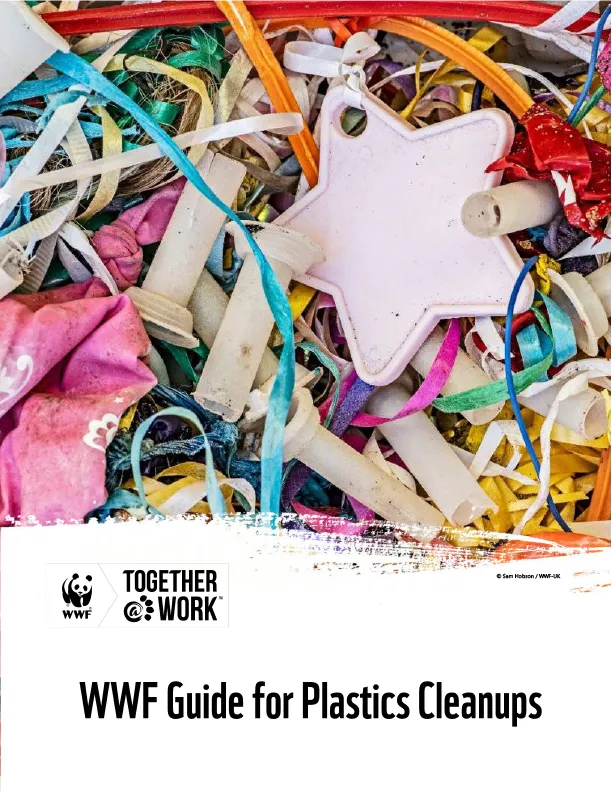
As part of the No Plastic in Nature vision, WWF released this position on Chemical Recycling Implementation Principles to help inform if, and how, the emerging waste management technology should be pursued as a plastic waste mitigation tactic.
-
-
-
-
-
-