Publications
-
-
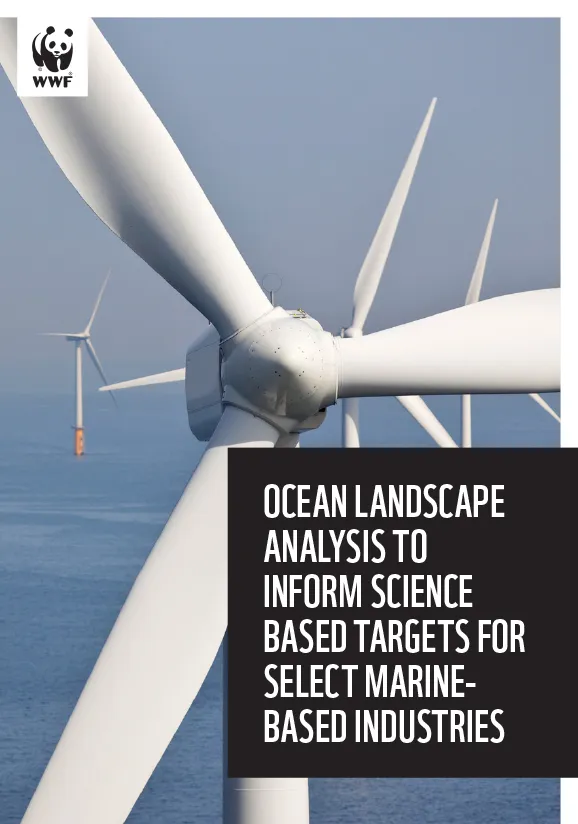
The report documents the work of hundreds of scientists from universities, conservation organizations and research institutes around the world who discovered 173 species of vascular plants, 26 reptiles, 17 amphibians, 15 fishes and three mammals in Cambodia, Laos, Myanmar, Thailand and Viet Nam. This brings the total number of vascular plants and vertebrate animals described in the Greater Mekong region since 1997 to 3,623.
-
-
-
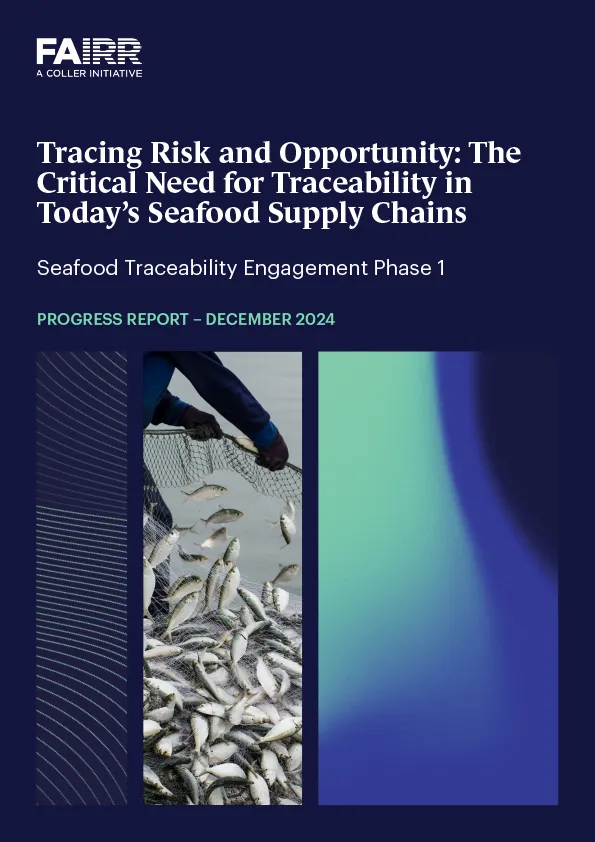
FAIRR Initiative, UNEP FI, WWF, Planet Tracker and World Benchmarking Alliance | 2024 | This report discusses learnings and insights from the first year (Phase 1, 2023/24) of FAIRR‚'s Seafood Traceability engagement, a collaborative investor engagement supported by 35 investors with US $6.5 trillion in combined assets. This engagement is delivered in partnership with World Wildlife Fund (WWF-US), Planet Tracker, the World Benchmarking Alliance (WBA) and UNEP Fl‚'s Sustainable Blue Economy Finance Initiative. Despite a general recognition that traceability is critical, only two out of seven companies assessed have a group-level traceability commitment covering all seafood products and aquaculture operations. The implementation of these commitments and reporting on progress also remain limited.
-
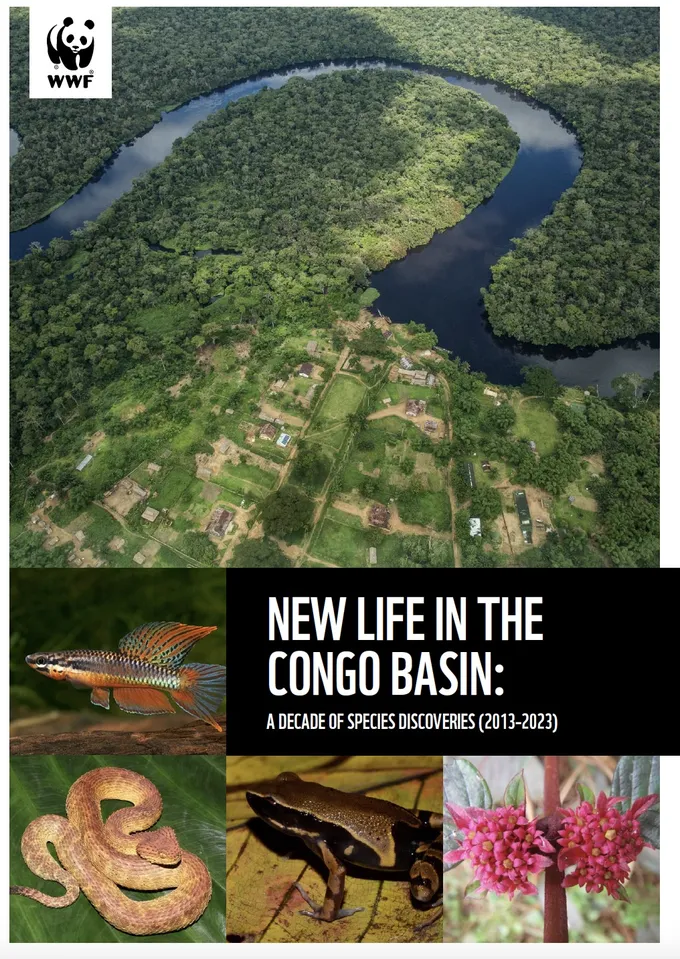
742 new species of wildlife and plants have been discovered in the Congo Basin from 2013 to 2023, highlighting the remarkable biodiversity and the urgent conservation needs of one of the world's most vital ecosystems. With many of the species already under threat of extinction from human activities, WWF is calling on governments in the region to increase protection for these rare, amazing creatures and their habitats.
-
-
-
WWF-GEF Indonesia Fisheries Management Response to Midterm Review
-