Publications
-
-
Tuna are among the world's most commercially valuable fish. This strong global demand for tuna and the overcapacity of fishing fleets will likely cause stocks of the seven major commercial tuna species to decline if management strategies are not improved. While WWF has primarily engaged in sustainability efforts with major global tuna brands, retailers and consumers, the G-FAST model aims to improve sustainability practices from the very beginning of the supply chain through directly engaging with tuna fishing vessel owners.
-
This report outlines the research methodologies and technical research of WWF's No Food Left Behind: Underutilized Produce Ripe for Alternative Markets including a discussion of results featuring voices from the field and quantification of the environmental impacts of loss.
Revision updated as of March 09, 2020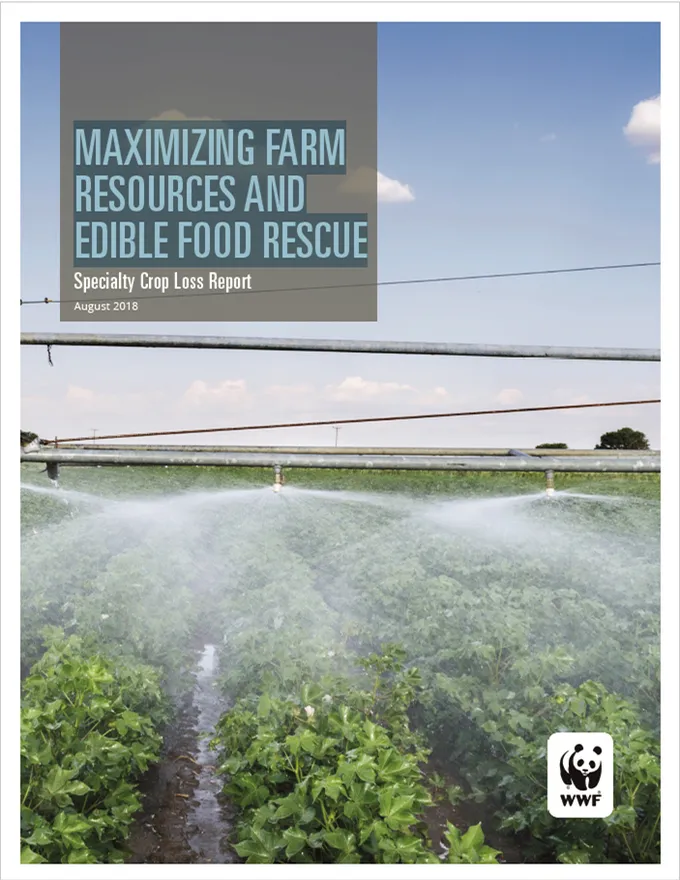
-
With global attention increasingly focused on meaningful responses to the climate crisis, one of the most asked questions is about the role carbon markets can play in achieving "net-zero" emissions. This document details WWF's position on voluntary carbon markets and provides recommendations for businesses interested in purchasing carbon credits.
-
Abuse of Convention on International Trade in Endangered Species of Wild Fauna and Flora (CITES) permits and certificates is a global issue that affects a wide range of species and can take place across the entire trade chain. Commerce in precious timber, caviar and live animals including primates, birds and reptiles, is particularly vulnerable.
Methods of abuse range widely and all can be facilitated by corruption. The involvement of corrupt officials, including high-level individuals, makes this problem more difficult to solve.
---
This content is made possible by the generous support of the American people through the United States Agency for International Development (USAID). The contents are the responsibility of World Wildlife Fund (WWF) and do not necessarily reflect the views of USAID, the United States Government, or individual TNRC consortium members.
-
The Next California, Phase 1: Investigating Potential in the Mid-Mississippi Delta River Region, explores the viability of shifting some fruit and vegetable production to an area of the U.S. currently dominated by row crops. The report finds that while California will continue to be a key agricultural state, the mid-Mississippi Delta River region is well-positioned to supplement fruit and vegetable production, contributing to a more distributed and climate-resilient food system.
According to Jason Clay, SVP Markets, “Every country has a California in its food system – a place we’ve relied on for generations to feed millions of people – and none of them are anticipating the impacts of climate change. The lessons learned from this report should be applied globally, starting a conversation to identify the ‘next Californias’ around the world.”
To learn more, visit our Next California project page.
-
World Wildlife Fund report reveals for the first time the countries whose economies would be worst affected over the next 30 years if the world doesn‚'t act urgently to address the global environmental crisis.
The study, Global Futures, which calculated the economic cost of nature‚'s decline across 140 countries ranging from India to Brazil, shows that if the world carries on with "business as usual," the United States would see the largest losses of annual GDP in absolute terms, with $83 billion wiped off its economy each year by 2050 - an amount equivalent to the entire annual GDP of Guatemala.
-
-
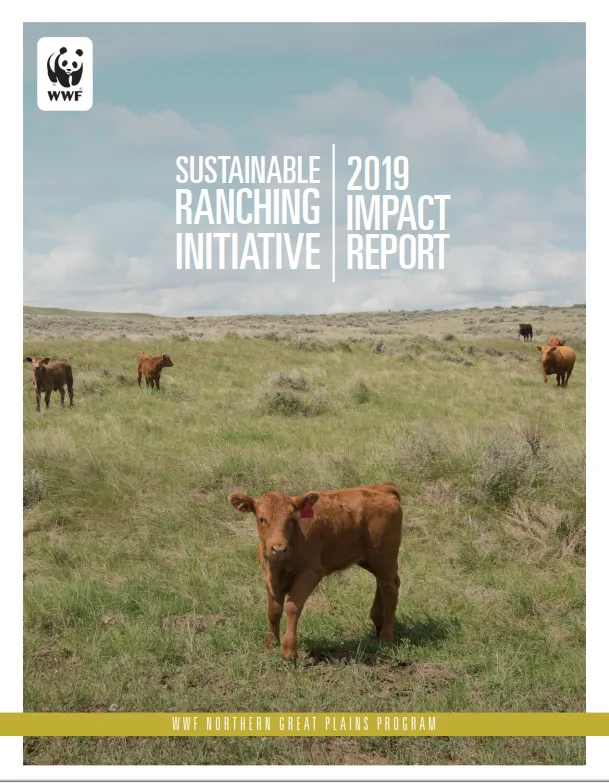
WWF‚'s Sustainable Ranching Initiative(SRI) has identified challenges and opportunities to help build the resilience of ranchers across the Northern Great Plains. This report is an annual evaluation of the impact that we are having on communities and biodiversity and identifies new areas where the SRI can have the greatest influence.
-
Following the illicit financial flows from natural resources is key to stemming corrupt and criminal activity. llicit financial flows often enter the United States (U.S.) and other developed economies and can be prosecuted through the U.S. and other judicial systems where rule of law is stronger.
Countries known for long-term corruption, under the right circumstances, can help bring greater accountability to the natural resource sector, with international support.
---
This content is made possible by the generous support of the American people through the United States Agency for International Development (USAID). The contents are the responsibility of World Wildlife Fund (WWF) and do not necessarily reflect the views of USAID, the United States Government, or individual TNRC consortium members.