Publications
-
-
A brochure highlighting the ‘push and pull’ incentives to sustainably manage highly migratory fisheries, as identified in the full Global Tuna Think Tank report
-
A fact sheet explaining the issue of overcapacity in fishing fleets that target the Eastern Pacific tuna fisheries, along with steps for getting to optimal fleet size in the shortest timeframe.
-
A legal fact sheet summarizing the important provisions in the main legal tools applicable to Areas Beyond National Jurisdiction fisheries.
-
The 2019 Arctic Council Conservation Scorecard examines the concrete actions Arctic states are taking to fulfill their responsibilities as the primary stewards of the region. The success or failure of the Arctic Council depends upon each nation state‚'s ability to effectively implement the Council‚'s recommendations at home. WWF has produced this second Scorecard to shed light on the Council‚'s ability to deliver good governance, greater environmental protection and sustainable development in the Arctic.
-
Increasing threats from climate change, pollution, hunting/whaling, and commercial industries are endangering whale and dolphin populations and their ocean habitat. WWF‚'s cetacean conservation efforts are based on science and collaborations with other stakeholders and partners which are essential in sharing ideas and achieving our mutual goals. Turning the Tide highlights some of WWF‚'s important successes and lessons learned as we‚'ve worked to preserve these species over the last 50 years, as well as how we can apply these experiences going forward.
-
This report provides an assessment of the past performance and future outlook of innovative, incentive-based tools to reform highly migratory and transboundary fisheries at regional and global scales. This review seeks to identify legal, financial, and market-related barriers and opportunities for the adoption of incentive-based tools, and the contextual factors impacting on their operation. It includes major legal instruments through the United Nations.
-
This document examines the outcomes of the pilot projects through the Global Think Tank for regulatory and incentive-based tools and instruments for managing highly migratory fish stocks at global and regional scales, and assesses the role of tools like rights-based management and market-based incentives.
-
Fisheries that intersect with the high seas, or areas beyond national jurisdictions (ABNJ), are ecologically, institutionally, and politically complex. These fisheries also generate enormous economic and social benefits and have the potential to generate even greater benefits and wealth under improved management regimes that incorporate incentives to fill in gaps in governance. This report identifies the barriers and opportunities for the adoption of incentive-based tools for fishery management in ABNJs at the global and regional scales. It highlights the need for a "smart mix" of regulatory and incentive-based tools and instruments and lays out nine principles for smart mixes through examples and case studies.
-
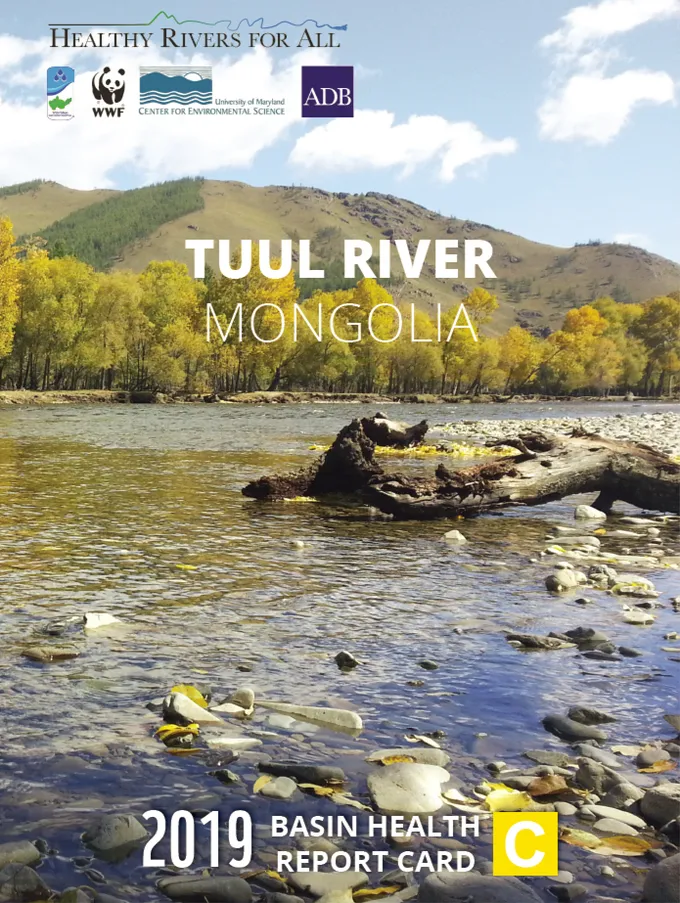
The Tuul River Basin Report Card‚ – the first of its kind in Mongolia‚ – assesses the basin's health through social, environmental, and economic values that can be tracked over time in response to management actions and/or external pressures. The Tuul River Basin has been evaluated in this assessment as "moderate" health or ‚ÄòC‚', meaning urgent management interventions are required to maintain the health of the river.