Publications
-
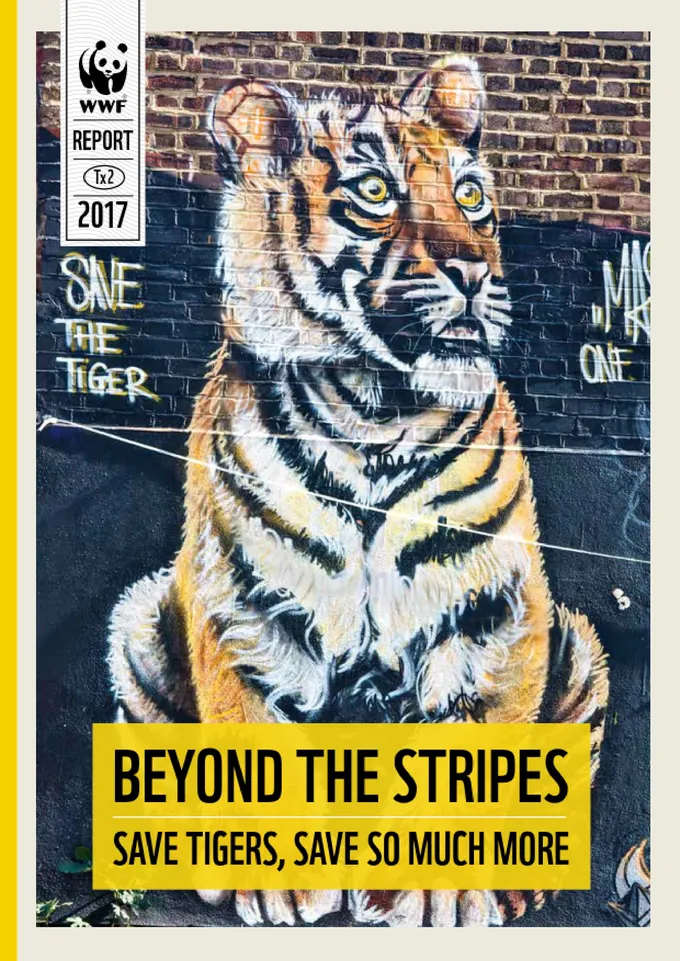
This report highlights the importance of securing biologically rich tiger landscapes, which not only provide protection for the remaining wild tiger population, but also harbor critically important goods and services that millions of people rely on. Ranging from the world‚'s largest mangrove forests to temperate forests and snowy mountains, these landscapes mitigate climate change, safeguard freshwater, and reducing the impact of disasters.
-
WWF Bolivia together with ADVANCE, a partnership between WWF US and the Center for Climate Systems Research at Columbia University (CCSR), developed climate change risk scenarios for Manuripi Reserve and the Madre de Dios basin, to be incorporated into the strategic guidelines for the management of the Manuripi National Wildlife Reserve, Bolivia. In October of 2017, a workshop was held in Cobija, Bolivia with local actors and institutions to analyze these scenarios, identify climate change risks to Manuripi and develop climate adaptation strategies for local communities.
-
-
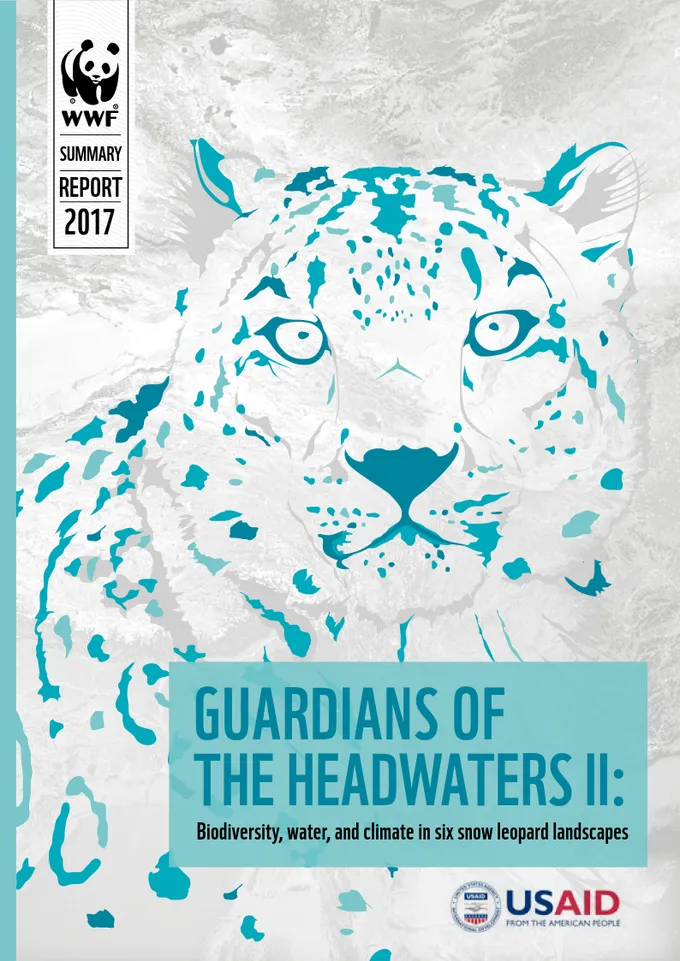
This document is a brief summary of the full 2017 map book, Guardians of the Headwaters II: Biodiversity, Water, and Climate in Six Snow Leopard Landscapes. This map book follows a 2014 regional assessment, Guardians of the Headwaters I: Snow leopards, Water Provision, and Climate Vulnerability, Maps and Analysis. To download the full reports, and for more on methods, analyses, findings, and maps, please go to www.thirdpolegeolab.org.
-
The World Wildlife Fund engaged AECOM Technical Services, Inc. (AECOM) to undertake a desk-based review of publicly available guidance, standards, tools, methods and frameworks used to assess sustainability and climate resilience of infrastructure development projects. The purpose of the review was to understand what types of tools were being used in practice, the scale of their application and if any could be identified as best practice and thus promoted more widely. AECOM reviewed a range of tools used by key financial institutions and infrastructure sustainability assessment bodies, which included:
1. Asian Development Bank (ADB)
2. Asian Infrastructure Investment Bank (AIIB)
3. African Development Bank (AfDB)
4. Agence Française de Développement (AFD)
5. European Bank for Reconstruction and Development (EBRD)
6. European Investment Bank (EIB)
7. Inter-American Development Bank (IDB)
8. KfW Development Bank (KfW)
9. World Bank (including IBRD and IDA)
10. International Finance Corporation (IFC) 1
11. BREEAM Infrastructure
12. CEEQUAL
13. Green Guidelines for the Belt and Road Initiative (BRI)
14. Envision®
15. SuRe® Standard
16. Equator PrinciplesIn undertaking the review, it was found that each of the financial institutions used environmental and social (E&S) assessments as part of their decision making process in financing the project. Some of the financial institutions reviewed also use climate risk screening tools as part of their initial screening such as the ADB and AfDB; the AFD and EIB use carbon footprint tools as part of their screening process.
The infrastructure standards and assessment tools cater for the design phase (i.e., the project level design) promoting low impact design, sustainable resourcing and carbon emission reductions, amongst other factors; as well as focusing on elements of the planning phases (i.e. larger and wider scale development plans which tend to be carried out pre-project level design).
There is significant scope for more work to be undertaken in the planning phase, as action at the start of the process could have a substantial impact in ensuring infrastructure developments are in line with national development agendas and requirements. Financial institutions should also ensure that projects being financed are in line with national development agendas, and can support the countries implementation of international commitments such as Nationally Determined Contributions or the Sustainable Development Goals.
-
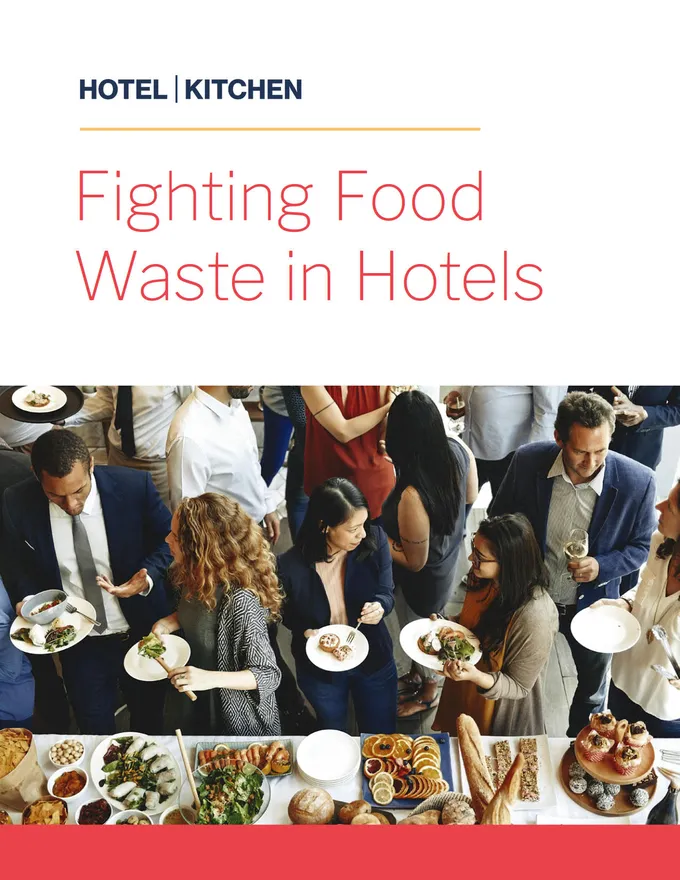
WWF is working to transform sectors where we see potential to make the biggest impact. It‚'s estimated that 40% of food waste happens in customer-facing businesses like restaurants, supermarkets and hotels. Hotels, which serve $35 billion dollars in catering and banquets each year in the US, are an ideal test bed to learn, iterate, drive waste reduction, and help reshape the food service industry as leaders in food waste reduction.
To help the hospitality industry do its part in fighting food waste and helping local communities meet the needs of the food insecure, World Wildlife Fund (WWF) and the American Hotel and Lodging Association (AHLA), with support from The Rockefeller Foundation, created this toolkit to challenge the industry to prevent food waste, donate what cannot be prevented and divert what remains.
-
The ability to track seafood from bait to plate—traceability—is an important tool in the effort to fish sustainably and end illegal, unreported and unregulated fishing. WWF is collaborating with FishWise, Future of Fish and the Global Food Traceability Center to as part of the Gordon and Betty Moore Foundation’s Ocean and Seafood Markets Initiative (OSMI) to promote global seafood traceability standards, educate stakeholders, and design tools for direct engagement with industry and the market.
-
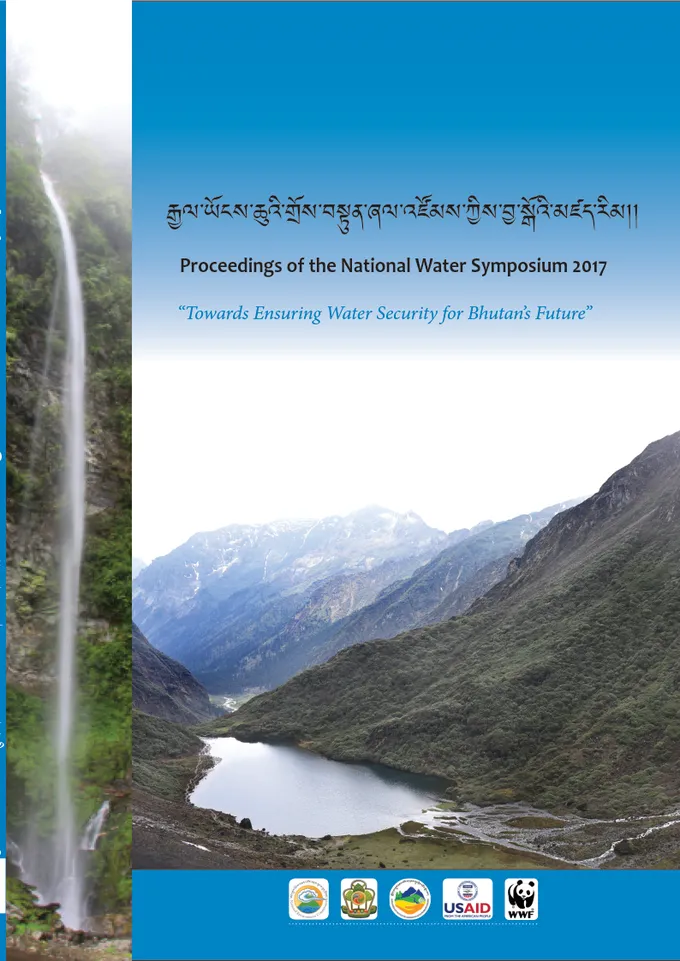
With support from the USAID-funded WWF Asia High Mountains Project, UWICER organized Bhutan’s second National Water Symposium in May 2017. This symposium brought together water resources professionals and agencies to take stock of current water resource knowledge in Bhutan and to identify priority areas for future research and cooperation on water resource management. This publication contains summaries of presentations given at the symposium. (43 page Symposium Proceedings)
-
The Government of Nepal’s climate-smart snow leopard landscape management plan for its Eastern Himalaya Global Snow Leopard and Ecosystem Protection (GSLEP) priority landscape. Produced with technical assistance from the USAID-funded WWF Asia High Mountains Project, this plan covers Nepal’s Himalayan region from Langtang National Park north of Kathmandu to the Kangchenjunga Conservation Area in the northeast corner of the country and includes both Sagarmatha and Makalu Barun National Parks. (78 page Conservation Management Plan)
-
There are few investments more powerful or permanent than education. At WWF, we see firsthand how education can improve and accelerate the ability of individuals, communities, and societies to plan and implement conservation action. Thanks to the continued commitment, EFN grants to 2,529 individuals and organizations around the world have helped thousands of people gain the education and skills necessary to take action for the planet.