Publications
-
Societies have gone to extraordinary efforts to harness the power of rivers. The world is now poised to double the global hydropower capacity by 2040, along with continued expansion of associated infrastructure rivers. Governments, communities, companies, and conservation organizations are seeking ways to ensure that this development can meet needs for energy and water while maintaining healthy rivers.
-
Since CoP16, international momentum has been building against wildlife crime, with a raft of global declarations and commitments to tackle poaching and wildlife trafficking. This report outlines WWF's stance on African elephant issues at CoP17.
-
The Alliance for Water Stewardship (AWS) led a mutli-stakeholder process to develop the first internationally recognized frameworkd for implementing comprehensive water stewardship: the AWS International Water Stewardship Standard.
-
The International Coalition for Sustainable Aviation (ICSA) works to reduce pollution from air travel. ICSA encourage encourages the aviation industry and the United Nations body in charge of international aviation policy‚ – the International Civil Aviation Organization (ICAO)‚ – to use this checklist when developing an effective plan to cut aviation global warming pollution.
-
The International Coalition for Sustainable Aviation (ICSA) has developed a Progress Report on the International Civil Aviation Organization‚'s (ICAO) "market-based measure" that evaluates the environmental benefits included in the most recent publicly available draft.
-
The Paris Agreement covers all anthropogenic emissions, sets out important principles on carbon markets and sends a clear signal that the aviation sector must act.
-
A new WWF report explains the business and economic case for sourcing timber that is from responsibly managed forests. The report explains how committing to 100 percent responsibly managed timber would help the global economy, as well as the economy of the United Kingdom more specifically.
-
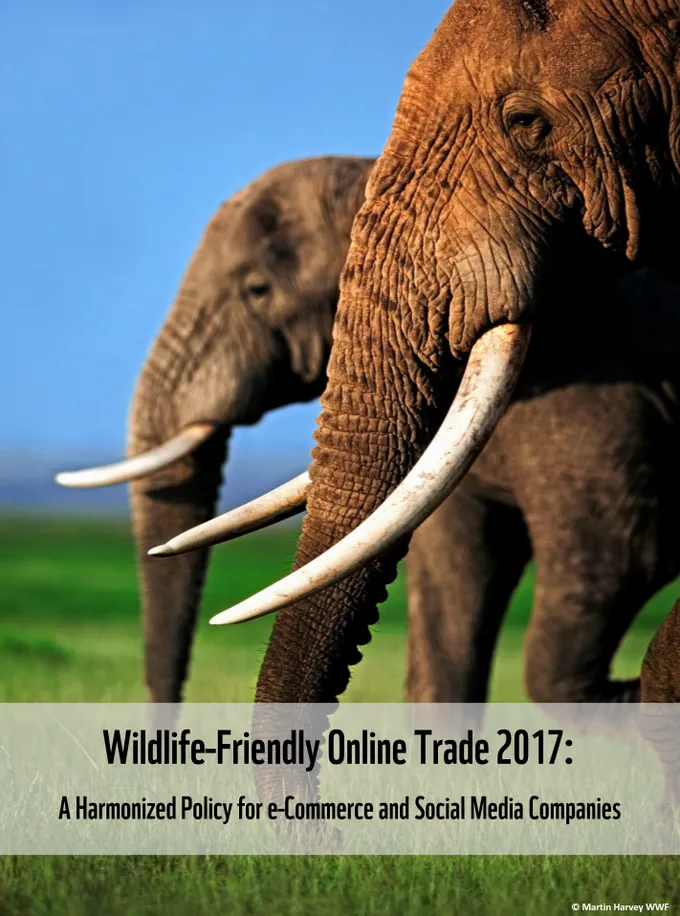
To combat the trade in illegal wildlife products through web-based platforms, e-commerce and social media companies have teamed up to adopt a standardized wildlife policy framework for online trade. This policy simplifies shopping guidelines for consumers, helps educate users about product legality, eliminates the loopholes that make it easy for criminals to traffic wildlife online and presents a unified, global front to stop wildlife crime.
The following companies have endorsed and apply this standard policy framework: eBay, Etsy, Facebook, Google, Instagram, Microsoft, Pinterest, Ruby Lane, OfferUp, and Tencent. If you want to know more or want to join this collaboration please contact [email protected] and [email protected].
-
On April 5, 2014, the Yale School of Forestry and Environmental Studies and the World Wildlife Fund co-organized the workshop ‘Environmental and Social Risk Management of Chinese transnational corporations’ to foster discussions around the challenges and opportunities for Chinese TNCs and how they can enhance their environmental and social performances overseas. This synthesis report is organized around the three main themes highlighted throughout the workshop.
-
In April 2016, the Government of Nepal and the Global Snow Leopard & Ecosystem Protection Program (GSLEP) secretariat hosted two consecutive workshops in Kathmandu, Nepal, aimed at building momentum towards developing climate-smart management plans for snow leopard landscapes identified under the GSLEP to be ‘secured by 2020’. This report summarizes the proceedings of the workshop.