Publications
-
-
As a non-profit organization dependent on the support of others to carry out our work and advance our mission, WWF takes our obligation to donors very seriously to ensure that funds and other resources are used appropriately and as efficiently and effectively as possible. The whistle blower policy provides a mechanism for the reporting of suspected illegal activity or the misuse of WWF assets. This may include conflicts of interests with vendors, inappropriate purchases or reimbursements, falsified expense reports, and the like.
-
The “whistle blower” procedure is intended to provide a mechanism for WWF executives to respond to reports made pursuant to the WWF Whistle Blower Policy.
-
This brochure shows how the addition of offshore oil and gas activities greatly compromise the potential for right whale populations to recover from endangerment of extinction.
-
This factsheet details basic facts about polar bears, the key threats to their existence, and WWF’s solutions and actions for protecting polar bears’ Arctic habitat from climate change, industrial threats and other harmful human activities.
-
WWF welcomes the opportunity to develop new corporate marketing partnerships as a way of enhancing our conservation mission. Our partner marketing team looks for companies with a solid history and strong brand image that would like to make a contribution that is significant and clearly defined to their customers. These document provides guidelines to help you determine if you want to pursue a marketing partnership with WWF.
-
This primer is a 12-page summary of Developing Scenarios to Assess Ecosystem Service Tradeoffs: Guidance and Case Studies for InVEST Users, which highlights case studies and guidance on developing scenario maps for the InVEST tool.
-
Through the Salmon Aquaculture Dialogue (SAD), performance-based standards for salmon farming are being developed. This document provides the final draft of the principles and criteria. When completed, the final standards will help minimize the key environmental and social impacts related to salmon farming.
-
The emergence of reducing emissions from deforestation and forest degradation, and conserving, sustainably managing and enhancing forest carbon stocks (collectively referred to as REDD+) has generated great interest as a possible means of increasing support for the forest stewardship activities of indigenous peoples and local communities. If done well, REDD+ initiatives could contribute to strengthening community land and resource rights, empowering community-based management and diversifying livelihoods through participation in REDD+ activities.
-
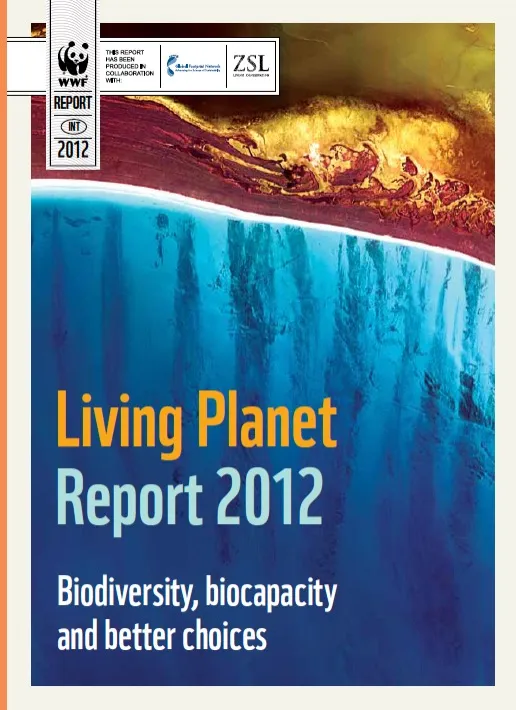
This WWF report brings together a variety of quantitative information and on the current state of global biodiversity and human impact on nature. Confronting the fact that people are using 50 percent more resources than the Earth can provide, this report summarizes this information and suggests changes in action to slow and reverse current trends.