Sustainable pet care: simple ways to reduce your pet's carbon pawprint and help wildlife
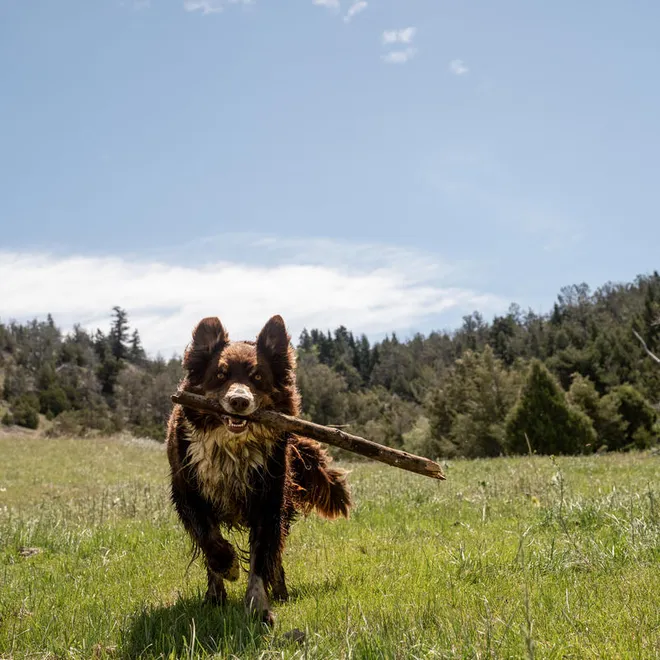
Small changes in pet ownership and care can make a big difference to help wild animals and the planet
© WWF-US/Sarah Mosquera
Key takeaways
- Responsible pet ownership protects both pets and wildlife, from choosing low-risk and legally sourced exotic pets to never releasing animals into the wild.
- Small daily choices make a big environmental impact, including sustainable food options, eco‑friendly products, and mindful outdoor habits.
- Pet owners can support a healthier planet by respecting local wildlife, reducing their pets’ carbon pawprint, and using resources like WWF’s Responsible Pet Guide.

© FotoMirta/Shutterstock
Pet ownership has evolved dramatically over time. Though dogs were likely the first animals to be domesticated and remain the most popular pet, in the last hundred years, there’s been a growing demand for pets beyond the traditional furry four-legged companion. Exotic and less conventional animals, like birds, reptiles, amphibians, fish, and other small mammals, are becoming increasingly popular.
Small changes in pet ownership and care can make a big difference for the planet. From eco-friendly food and toys to biodegradable waste bags and non-toxic grooming products, explore ways to reduce your pet’s carbon pawprint. If you're opting to keep an exotic pet, check out WWF's Responsible Pet Guide to ensure you're making the best choices for your family, wildlife, and the planet. These simple actions help protect wildlife and ecosystems while showing how everyday habits can support a healthier Earth.
1. Choose an appropriate pet for your lifestyle and never release it into the wild
Make sure you’re prepared to provide proper care and meet your pet’s needs for the animal’s lifetime. Exotic pets have specialized needs for a good quality of life and can pose behavioral or health risks to both people and other animals. The escape or release of exotic pets when owners realize they are no longer able to keep them is a major cause of the spread of invasive species in the US. If you find yourself unable to care for your pet anymore, look for a reputable animal rescue, pet store, zoo, or other trusted home willing to care for them. Help protect habitats and other wildlife by never releasing your pet into the wild.

© Anna Averianova/Shutterstock
2. Know where your exotic pet came from
If you’re looking for a pet beyond a dog or cat, obtain your animal legally and directly from a reputable rescue center, breeder, or supplier that can show where their animals come from, and follow best practices for the species they sell. Unsustainable and illegal sourcing of animals from the wild for the pet trade is a major threat to wildlife populations and biodiversity. And with the internet making it easier than ever for anyone to buy or sell an animal, doing your research can help reduce conservation risks. WWF’s Responsible Pet Guide is a great resource to check out before purchasing an exotic pet.
3. Give wildlife a fair head start

© Andrew Parkinson / WWF-UK

© Grace Lee
- For the traditional pet owner with dogs and cats, leash them whenever possible (and follow the park rules), particularly in areas with lots of wildlife.
- Look before you release your pet outside or into your yard, and be aware of native and vulnerable wildlife in your area, to make sure there’s no wildlife that your pet may want to go after. For example, spring is a fragile time for fledgling birds before they can fly, and they’re often found on the ground.
- For cat owners, restricting your feline friend from roaming free outdoors can help reduce their predation on small mammals, reptiles, amphibians, and birds.
4. Choose more sustainable food
How food is produced can have huge impacts on its environmental footprint. While it’s important to prioritize a pet’s nutrition needs, once those are met, there are some additional options pet parents can consider to ensure they are choosing environmentally sustainable options:

© WWF-US/Keith Arnold
- Avoid fresh or frozen pet foods. These have much higher transportation emissions since they need to be kept cold, and can lead to much higher waste rates since they aren’t shelf-stable.
- Look for foods from companies that have made deforestation and conversion-free commitments.
- Avoid pet foods that advertise that they use human-grade cuts since these can directly compete with food eaten by people, leading to increased animal protein demand.
- Purchase pet foods made from invasive species, such as Asian carp.
5. Look for carbon-conscious toy, waste, and grooming products
Earth-friendly toys
- Many pet toys are made without their environmental impacts in mind, often containing harmful chemicals and wrapped in plastic. Being conscious of how your pet’s toys are produced can be a great way to reduce your pet’s carbon pawprint.
- Be on the lookout for toys in less plastic packaging and made from environmentally friendly alternatives such as natural rubber, organic cotton, and recycled materials. DIY toys are also a great way to reduce waste!

© Capturas E/Shutterstock
Use biodegradable waste bags
Swapping plastic bags for biodegradable ones is an easy way to reduce your carbon pawprint!
Choose Earth-conscious grooming products
Grooming products can be full of chemicals and plastic, but environmentally friendly alternatives do exist. For example, bamboo brushes are a great alternative, as bamboo is a fast-growing and often invasive plant.
We can all make a difference
Whether our pets have four legs or none, fur, scales, or feathers, we can all be responsible pet owners by making small, mindful choices. From respecting local wildlife and choosing sustainable products to considering the type of pets we bring into our homes, we can all support a healthier, more sustainable future for wildlife, people, and our pets.
© WWF-US / WWFGifts
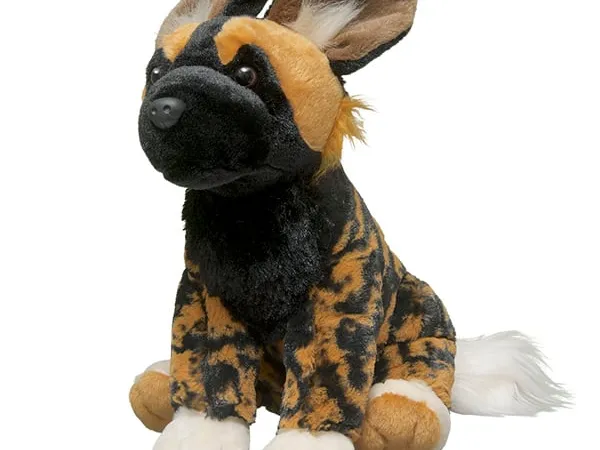
Adopt an African wild dog
Support WWF’s global efforts to protect wild animals and their habitats and choose from kits with plush and more.