What is a leaf sheep?
A leaf sheep is a tiny sea slug that looks like a plant and can use sunlight for energy by stealing parts from algae
© Sonja Ooms / Shutterstock.com
Key takeaways
- Leaf sheep are solar‑powered sea slugs
These unique sea slugs can absorb chloroplasts from algae and use sunlight to generate energy through a process called kleptoplasty. - Leaf sheep are tiny and have unique adaptations
Measuring about the size of a grain of rice, leaf sheep use cerata to store energy and rhinophores to sense their environment. - Leaf sheep play an important role in ocean ecosystems
Leaf sheep contribute to marine biodiversity and offer scientists valuable insights into the relationship between animals and photosynthesis.
Meet the marvelous sea slug that steals more than hearts

© KaenS/Shutterstock
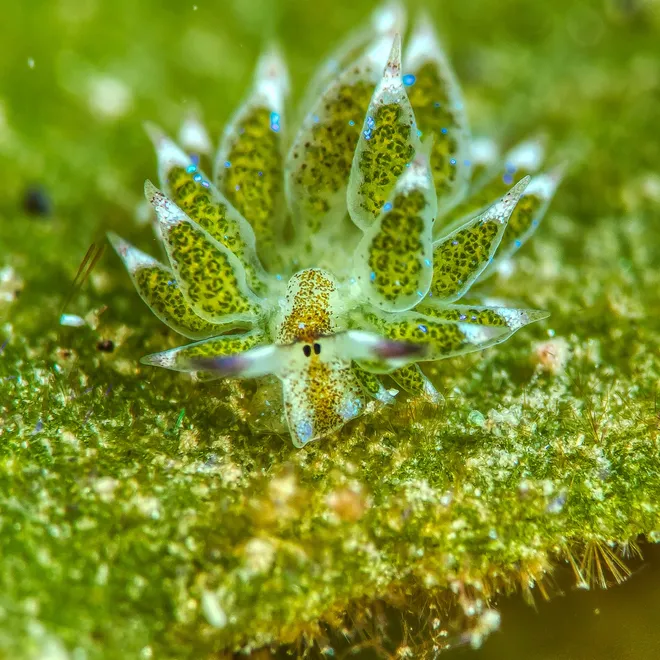
At first glance, a leaf sheep looks a lot like a fictional character. Two cartoonish eyes. Succulent-like leaves branching off its back. And though this creature might seem like an AI creation or even a Pokémon, it’s completely real.
This tiny animal is a type of sea slug, also known as a Costasiella slug, whose scientific name is Costasiella kuroshimae. It’s only about the size of a grain of rice and lives in shallow tropical waters in parts of the western Pacific and eastern Indian Ocean, including Japan, Indonesia, and the Philippines. The species was first described in 1993, but only recently gained popularity thanks to photographers sharing stunning underwater images online. These charming, close-up photos highlighted their endearing characteristics, and soon, people couldn’t get enough.
But beyond its cute appearance, this remarkable little sea slug also behaves in a way that sparks wonder and fascination. Here are three reasons to get to know the leaf sheep.
1. They are partially solar-powered

© Shutterstock/xlchen
Leaf sheep belong to a group of sea slugs called Sacoglossa, which feed on algae. But rather than simply digesting the algae they eat, leaf sheep harness their solar powers! They do this by stealing the algae’s chloroplasts—the tiny structures plants use to capture sunlight and perform photosynthesis—into their own bodies. You read that right: leaf sheep are among only a few animals capable of partially harnessing photosynthesis, thanks to this remarkable process, which scientists call kleptoplasty (which references their stealing chloroplasts).1
These sea slugs store collected chloroplasts inside the leafy branches on their backs, called cerata, which act like solar panels. In simple terms, this means leaf sheep can partially run on sunlight. Which is incredible! For days—or even longer—the chloroplasts keep working inside the slug’s body, helping it to produce energy.
2. There's more to these mollusks than you realize
Above the leaf sheep’s charming, cartoonish eyes are two ear-like structures called rhinophores, which help them sense chemicals in the water. The rhinophores function kind of like the leaf sheep’s nose, and they help the slug find food and detect its surroundings.
The cerata do more than capture sunlight—their vivid green color helps the leaf sheep vanish against the algae it calls home, and scientists suspect they may harbor chemical defenses as well.2
Leaf sheep are also simultaneous hermaphrodites, meaning each individual has both male and female reproductive organs. Even so, they still need another leaf sheep to reproduce, and they lay their eggs in tiny spiral ribbons on algae.3

© SergeUWPhoto/Shutterstock
3. They may not be sheep, but they graze

© KaenS/Shutterstock
This sea slug does give off certain sheep-like vibes. Like miniature underwater bison, these tiny sea slugs are important grazers that help keep algae (Avrainvillea sp.) in balance where they live. They primarily feed on specific algae in shallow reefs and seagrass habitats, quietly grazing and soaking up sunlight. It doesn’t sound half bad, does it? They are also expanding scientific understanding about important processes such as symbiosis, evolution, and how life forms can use energy in surprising ways.
The importance of ocean conservation

© Shutterstock/BelindaHuang
So much of life in the ocean is interconnected. WWF works with coastal communities around the world to strengthen protection of critical ocean habitats like seagrass and reefs that marine wildlife needs to thrive. Learning from the leaf sheep is a great reminder that protecting oceans isn’t just about safeguarding big animals like whales and dolphins. It’s also about protecting the unsung marvels—like a rice-sized sea slug quietly grazing on algae and capturing sunlight beneath the waves. Most of life on our planet is smaller than your little finger; it’s important to pay attention to these little heroes.
There’s so much enjoyment and fascination in learning about our world.
World Wildlife Fund’s “Stories of Hope and Wonder” is an ongoing series that connects us to the wonder of nature and hope for a future that benefits both people and wildlife. Each month, Stories of Hope and Wonder will feature a different species. Read past editions of Stories of Hope and Wonder.
© WWF-US / WWFGifts
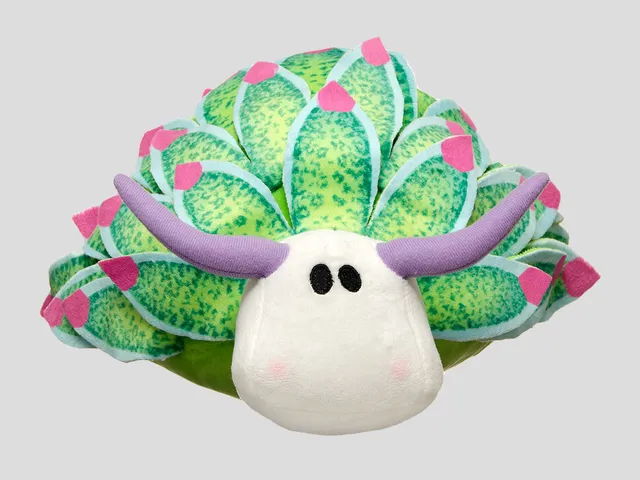
Adopt a leaf sheep
Support WWF’s global efforts to protect wild animals and their habitats and choose from kits with plush and more.