What’s the difference between a dolphin and a porpoise? And other river dolphin facts
Dolphins generally have longer snouts, bigger mouths, more curved dorsal fins, and longer, leaner bodies than porpoises.
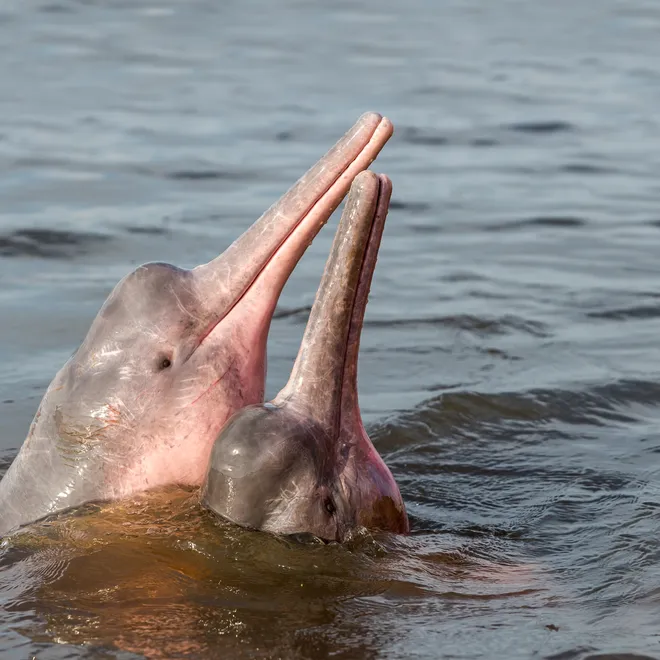
© Shutterstock / COULANGES / WWF-Sweden
When we think of dolphins and porpoises, we often don’t think of freshwater. But in parts of South America and Asia, several rivers are home to these charismatic species.
Dolphins are among the world’s oldest creatures, along with some species of turtles, crocodiles, and sharks. They provide important indicators of the health of rivers.
WWF monitors populations of river dolphins and porpoises and strives to address the issues that threaten their future—which are the same threats that impact freshwater ecosystems overall. For example, we encourage local communities along rivers to use natural fertilizers, not dispose of sewage in rivers, reforest riverbanks, improve commercial fishing activities, and drive policy changes that reduce impacts from industry.
Check out the questions and answers below to learn more about river dolphins and porpoises.
1. What’s the difference between a dolphin and a porpoise?

© WWF Greater Mekong
Dolphins and porpoises are both toothed whales that appear a lot alike. But the main difference between the two lies with their appearance: dolphins generally sport longer snouts, bigger mouths, more curved dorsal fins, and longer, leaner bodies than porpoises.
2. How many species of dolphins and porpoises live in rivers?

© WWF-Pakistan
Excluding the functionally extinct Yangtze river dolphin, seven species of dolphins and porpoises live in fresh water: Indus River dolphins; Amazon River dolphins; Ganges River dolphins; Bolivian river dolphins; Yangtze finless porpoises; Irrawaddy dolphins; and tucuxi. Populations of the Irrawaddy dolphin and tucuxi live in marine environments, and the Yangtze finless porpoise is a subspecies of the ocean-dwelling finless porpoise.
3. What threats do river dolphins and porpoises face?

© Jaime Rojo/WWF-US
Arguably, the most significant threat is infrastructure—for energy, agriculture, flood control, or otherwise. Infrastructure can degrade habitats, reduce food supplies, and fragment populations, dividing species into isolated groups. Unsustainable fishing is also a major challenge, as gillnets and other practices can directly harm or kill river dolphins and porpoises, and depletion of fish stocks can lead to starvation. Pollution from agriculture, industry, and mining can make water—their home—toxic. And of course, climate change underscores these threats, making river dolphins and porpoises even more vulnerable.
4. Can river dolphins and porpoises see under water?

© François Xavier Pelletier / WWF-Canon
The Indus and Ganges river dolphins have extremely poor eyesight. To hunt, they emit ultrasonic sounds that bounce off fish and other prey, enabling the river dolphins to “see” an image in their minds. This process is known as echolocation.
5. Why are river dolphins and porpoises important to river ecosystems?

© Gustavo Carrasco/WWF-Peru
River dolphins and porpoises serve as reliable indicators of a river’s overall health. An abundance of river dolphins is a sign of a healthy river; the decline is an indication that the river’s natural balance is critically disturbed. WWF surveys river dolphin and porpoise numbers to both determine their status and vulnerability and to gather an understanding of how the river, as a whole, is faring.
© WWF-US / WWFGifts
Adopt a dolphin
Support WWF’s global efforts to protect wild animals and their habitats and choose from kits with plush and more.