How WWF works on polar bear conservation

© WWF-US / Elisabeth Kruger
Facts about WWF's polar bear work
- WWF works in four out of five countries where polar bears live
- WWF works to protect polar bear habitat from the impacts of climate change and industry threats
- We support local strategies for living with polar bears
- WWF catalyzes new methods for studying polar bears
- We support laws and policies that help polar bears
- WWF’s work on polar bear conservation is rooted in respect: for wildlife, for cultural traditions and rights, and for evidence-based conservation solutions
The polar bear is an iconic species and a vital indicator of the health of the Arctic. There is a reason their scientific name is Ursus maritimus, or bear of the sea. The lives of polar bears are intertwined with the health of the sea. They are also interconnected with the cultures and livelihoods of communities across the Arctic, whose futures are also threatened by climate change, wildlife habitat loss, and increasing human-wildlife conflict.
According to IUCN’s Polar Bear Specialist Group, “The greatest challenge to conservation of polar bears is ecological change in the Arctic resulting from climatic warming.” While WWF actively works to tackle the complex challenge of climate change, we also work directly on addressing the impacts of sea ice loss in the Arctic and helping people and polar bears continue to coexist in a changing environment.
How does WWF work with Indigenous Peoples who live alongside polar bears?
In the Arctic, Indigenous Peoples have always lived alongside polar bears. WWF partners with these communities, exchanging knowledge and working together on safety and coexistence. Because WWF has long worked with many Arctic communities and scientists, we have gathered a toolbox of polar bear deterrence strategies.

© WWF-US / Elisabeth Kruger
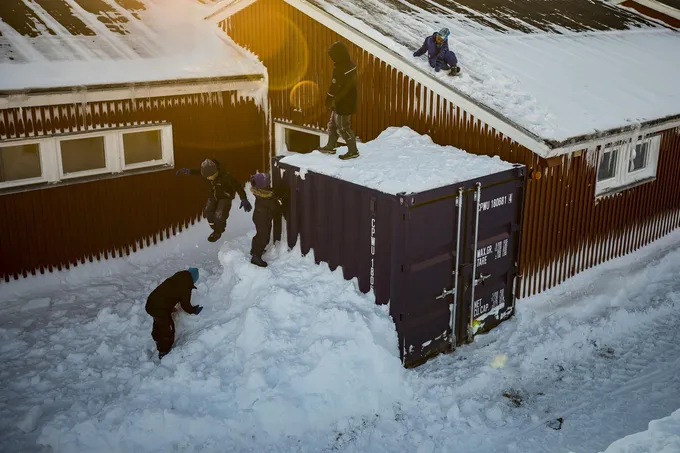
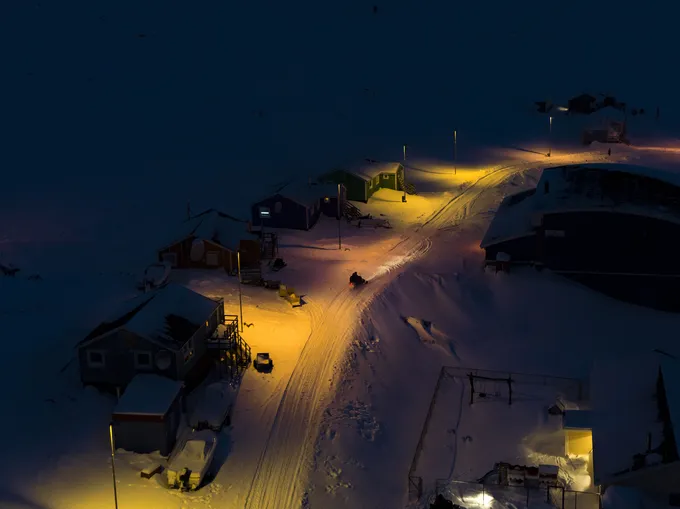
Across the Arctic, the loss of sea ice due to warming temperatures is bringing more polar bears onto land in search of food. Conflict happens when polar bears enter villages. WWF supports community-led human-polar bear conflict management programs. In some communities, polar bear monitors check for signs of polar bears in town. In others, community members prefer to carry polar bear deterrent tools such as spotlights, hand flares, or noisemakers so they can keep themselves and other vulnerable community members safe. Keeping community members safe means fewer polar bears are killed in self-defense.
Through partnerships, we explore and innovate on the ways we work in each place. This localized approach helps us design programs to meet the specific needs of the community. Each community chooses what works best for them.
Polar bear conservation on the ground is led by the Indigenous and local communities who live side by side with these large predators and by the governments that have overall responsibility for polar bear conservation. WWF’s role is to work with these partners to support the best conservation and community outcomes.
© James Morgan / WWF-UK
© James Morgan / WWF-US
How are WWF scientists helping polar bears?
WWF supports scientific monitoring of polar bear populations to understand how bears are doing in a changing environment and identify the areas that are most important for their survival. This research is necessary to identify the right conservation tools and strategies.
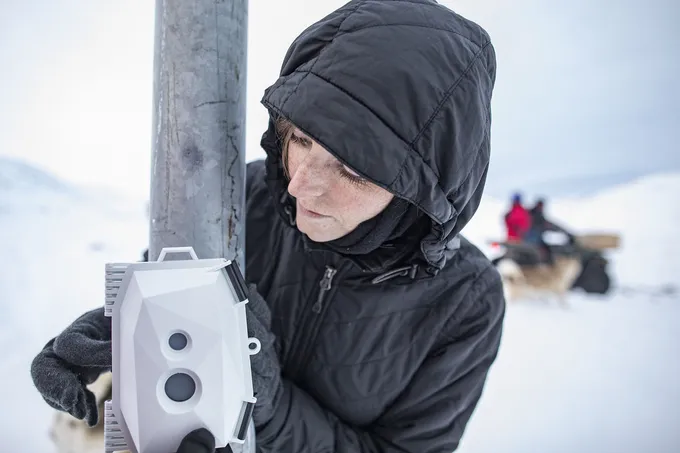
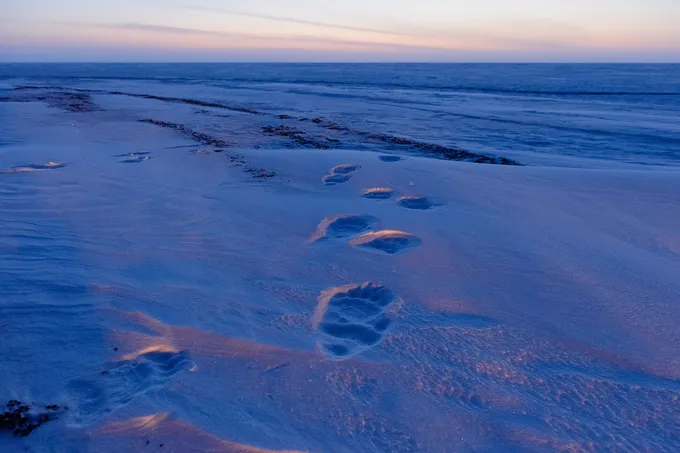
We also work to develop innovations in researching and monitoring polar bears. Our hope is to make research easier and safer, both for humans and bears. For example, eDNA (environmental DNA) lets scientists identify an individual polar bear just from its pawprint in the snow. We are working with companies to replace tracking collars with alternative satellite tracking devices, a less intrusive approach. These methods give scientists the data they need to make informed and scalable conservation plans.
© James Morgan / WWF-US
© WWF-US / Elisabeth Kruger
How is WWF helping to protect polar bear habitat?
Polar bears depend on sea ice and healthy oceans. Today, both are under threat. Rising ship traffic in places like the Bering Strait increases the chance of oil spills, which could hurt polar bears and their prey. To reduce this risk, WWF and partners created Arctic Watch, a program that helps ship captains and operators avoid wildlife, people, and unexpected obstacles.
WWF also offers guidance and provides science-based public comment when the US government is considering whether to allow industrial activities, such as oil exploration using seismic testing in important polar bear denning habitat. Seismic testing—using high-powered sound waves to detect oil and gas—is a disruptive and harmful activity: Its massive equipment, including 90,000lb “thumper trucks,” can crush or disrupt vital wildlife habitats such as dens in the snow. Polar bear cubs are at particular risk because they are often difficult to detect in their dens and, as a result, could be injured or killed. The testing noise may also drive young cubs out of their dens too soon, before they gain the weight they need to survive, and push mother polar bears to flee their dens and leave dependent cubs behind, increasing cub mortality.
WWF works in four of the five countries where polar bears live, engaging at every level—from local communities to national governments to international agreements. Working at both a local and global level, WWF supports polar bears and the communities that live alongside them, while working with other Arctic nations to ensure protection of vital habitats.
What kind of policies do you support to help protect polar bears?
Strong laws and good teamwork are key to saving polar bears. In 1973, countries with polar bears agreed to stop large-scale commercial hunting by signing the Agreement on the Conservation of Polar Bears, laying the foundation for international cooperation that remains vital today. WWF continues to engage with these governments to strengthen and modernize these agreements in the face of new threats like climate change, industry expansion, and human-wildlife conflict.
In Alaska, WWF works by engaging federal management authorities, their Alaska Native co-management counterparts, and the people who live within polar bear habitat.

© WWF-US / Elisabeth Kruger
Polar bear conservation relies not only on science and community action, but also on legal protections. In the United States, polar bears are protected under both the Endangered Species Act and the Marine Mammal Protection Act. The Endangered Species Act requires that decisions affecting polar bear habitat—such as oil and gas development in sensitive denning areas—are based on the best available science. The Marine Mammal Protection Act prohibits the “take” (harassment, hunting, or killing) of marine mammals, with narrow exceptions, including allowing Alaska Native People to legally hunt marine mammals for subsistence and for creating and selling authentic Native handicrafts and clothing. WWF advocates for the resources required to implement both of these critical wildlife laws and also works to defend them from opposition.
On the international level, WWF is active on several fronts, including supporting the effective implementation of treaties and agreements. WWF attends regular meetings of the Polar Bear range states, encouraging countries with polar bears to collaboratively and effectively manage and conserve their polar bear subpopulations. WWF recognizes the importance of and supports CITES—the Convention on International Trade in Endangered Species of Wild Flora and Fauna—which works to ensure that any international trade of wildlife does not endanger a species’ survival. While WWF does not vote in CITES—only governments do—we contribute our perspectives, grounded in law and science, to discussions with the aim of ensuring an effective safeguard for species’ survival.
What about illegal trade?
Since we were founded, WWF has worked to combat the global networks of criminal organizations that profit off the killing of species with high trade value. We have supported hundreds of strong enforcement initiatives globally to detect and deter illegal wildlife trade—from building the capacity of rangers, border officials, and wildlife authorities to reducing demand in black markets.
Notably, WWF convened the Coalition to End Wildlife Trafficking Online with partners TRAFFIC and the International Fund for Animal Welfare, creating a global movement to remove illegal wildlife sales listings from the internet and social media. Over 63 million prohibited wildlife listings have been removed from the 50 Coalition online platforms globally between 2018 to 2025. While there is limited evidence of illegal trade in polar bear products, we are committed to working closely with governments and other partners to combat this behavior wherever it exists.