In northeastern Namibia, a community tells its stories in pictures
A participatory photography project captures life in Nama Pan Village
By
-
Siphiwe Lutibezi

© Tsao Kxao
Storytelling, a timeless tradition, began primarily through oral means, where stories were passed from one generation to the next. Over time, the evolution of narrative led to new avenues, from performances to written words, photographs, and videos. Stories will always remain the bridge that connects us, enabling the sharing of experiences and insights.
In the southern part of Nyae Nyae Conservancy, a story of empowerment, unity, and harmony emerges, led by the local San community at Nama Pan village. Through the lens of participatory photography, members of the community portrayed the depth of their connection to nature and to each other.
The villagers of Nama Pan are warm and welcoming to visitors, where a community campsite surrounds an ancient baobab tree, and smaller trees are decorated with traditional beaded crafts for sale. This is where the journey of the participatory photography project began, an initiative rooted in respect for traditional storytelling that offered the villagers a unique way to narrate their stories through the lens of a camera
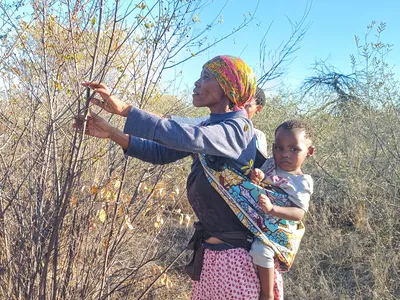
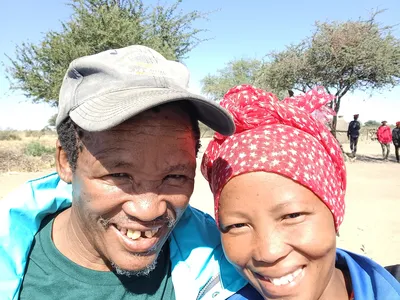
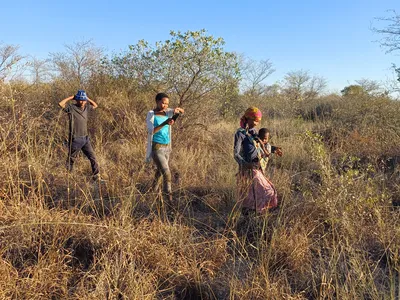
The selection of participatory photography participants was a communal affair that ensured representation from every household and a range of age groups and genders. The group of seven that were selected were enthusiastic to be the first to take part. “We are happy that this has been brought to our community because we can now document what is important to us and our traditional way of life,” said ≠oma /Kunta, camp manager and medicine man.
≠oma /Kunta
© ≠oma /Kunta
© ≠oma /Kunta
© ≠oma /Kunta
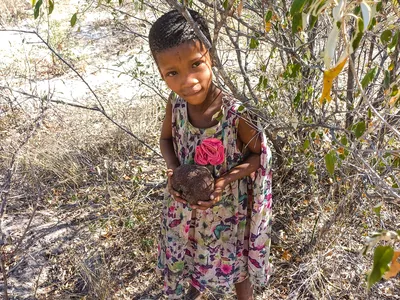
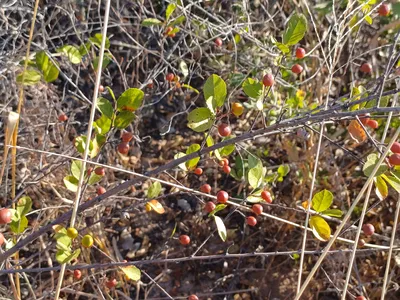
Five days after they started, their images took on new meaning. These snapshots revealed their bond with nature, their culture, families, and everyday life. Amongst these images, Koba Kxoara captured plants that held immense significance - a wisdom passed down through generations. These plants were more than just flora; they were sources of sustenance and remedies for various ailments. "I took photos of the plants that are important to us. I know all these plants because my grandmother taught me when I was 7 years old. She showed me the ones that are good for food and the ones good for medicine. I will also teach my children because these are important to know," says Koba Kxoara, granddaughter of the village headmaster.
Koba Kxoara
© Koba Kxoara
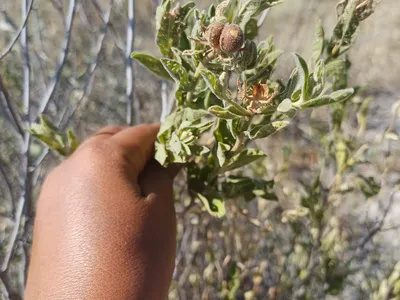
© Koba Kxoara
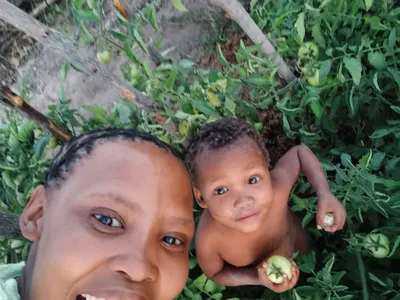
© Koba Kxoara
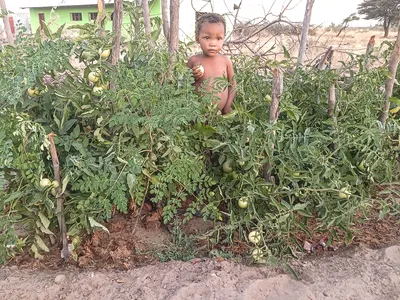
© Koba Kxoara
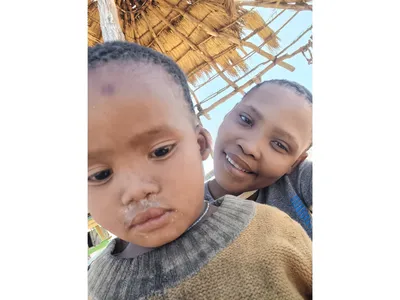
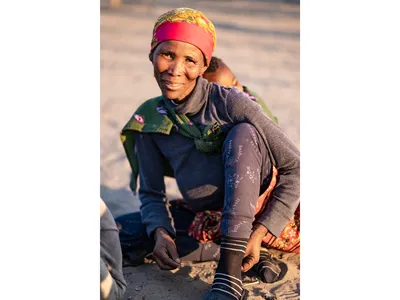
In an inspiring display of unity, some families shared the task of photography. An example is given of //uce//åo's family, where her son and daughter-in-law also took some of the photos, and her elderly mother crafted a phone case bag, a testament to the sharing nature of life in a San community, and their commitment and excitement for the project.
//uce//åo
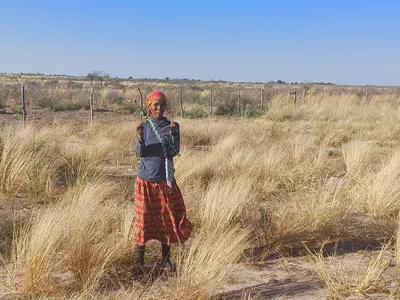
© //uce//åo
© //uce//åo
© //uce//åo
© //uce//åo
Tsao Kxao
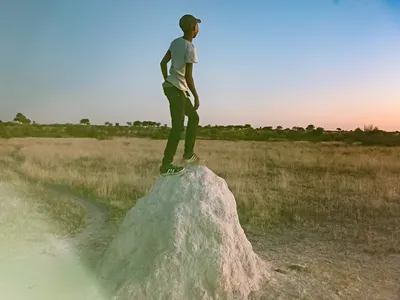
© Tsao Kxao
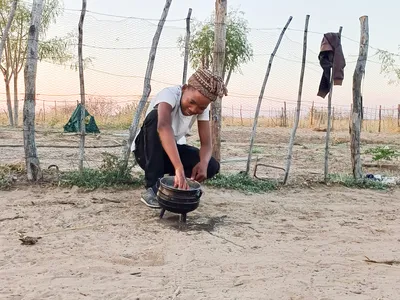
© Tsao Kxao
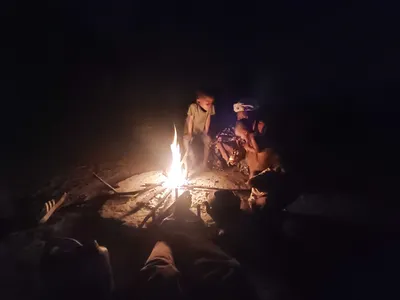
© Tsao Kxao
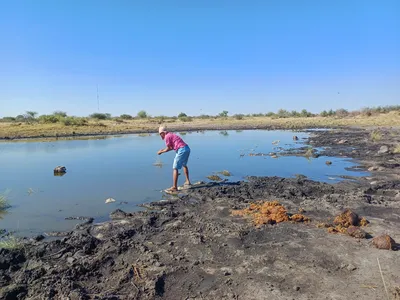
© Tsao Kxao
≠oma Sao Xuma Jeremiah
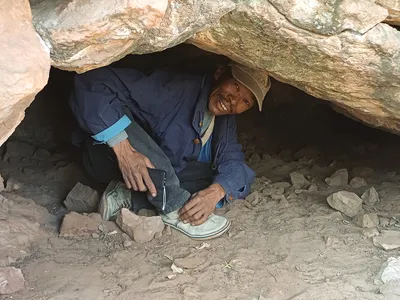
© ≠oma Sao Xuma Jeremiah
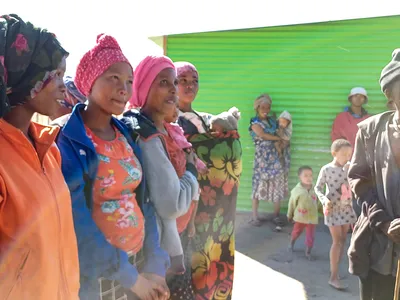
© ≠oma Sao Xuma Jeremiah
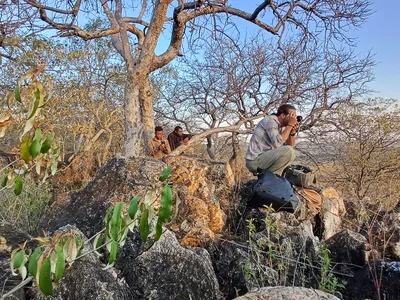
© ≠oma Sao Xuma Jeremiah
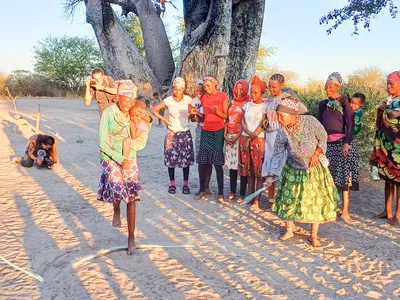
© ≠oma Sao Xuma Jeremiah
Abraham Nanseb
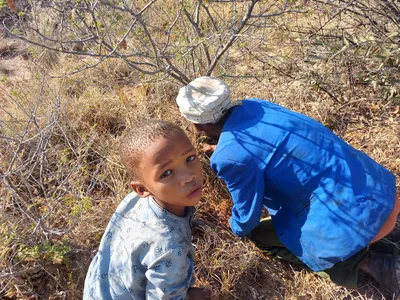
© Abraham Nanseb
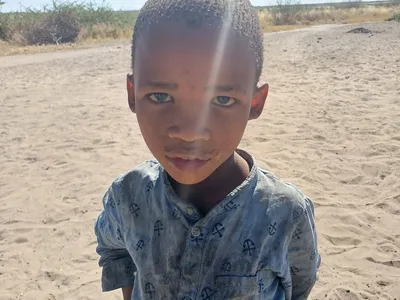
© Abraham Nanseb
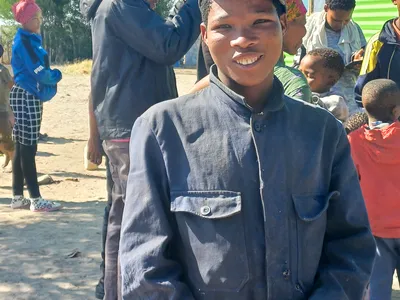
© Abraham Nanseb
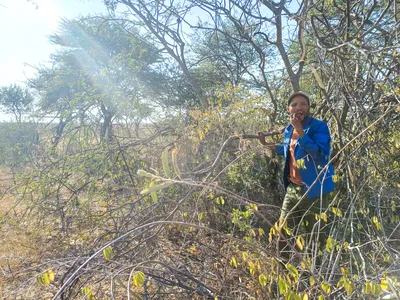
© Abraham Nanseb
N!ae Sao
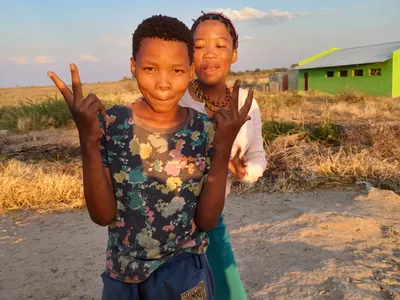
© N!ae Sao
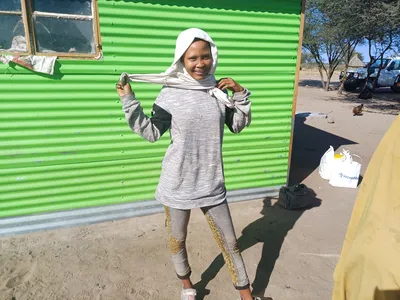
© N!ae Sao
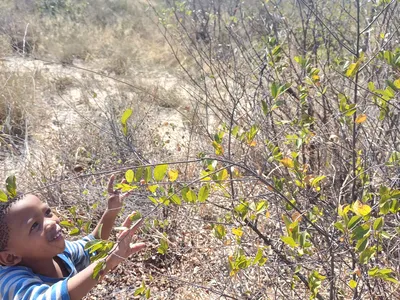
© N!ae Sao
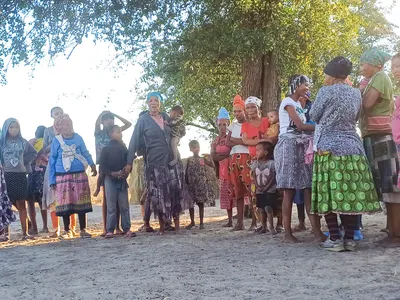
© N!ae Sao
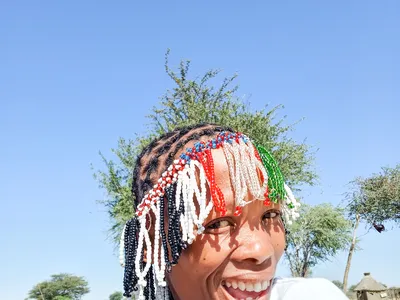
© N!ae Sao
At WWF, together with our partners, we are committed to inclusive conservation practices, like those showcased by this project. Participatory photography provides a platform for local communities living alongside wildlife and conserving nature to showcase their culture, landscape, and way of life as they build on the storytelling tradition.