Managing North America’s largest Native-owned bison herd
On the Wolakota Buffalo Range, Chance “Bud” Colombe sees restoration, community, and a brighter future ahead
By
-
Benjamin Alva Polley

© Sarah Mosquera / WWF-US
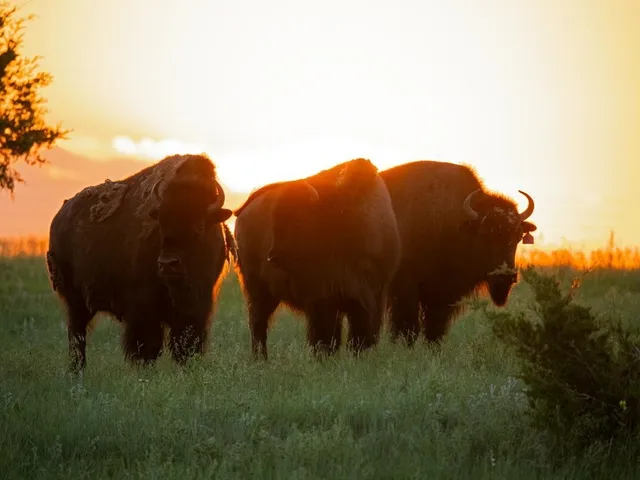
On a scorching 100-degree day in southeastern South Dakota, Chance “Bud” Colombe sits in the shade of a cedar tree on the Rosebud Reservation, where the pines meet the Sandhills, overlooking the Little White River and 28,000 acres of grasslands. He manages the Wolakota Buffalo Range, home to over 1,000 bison—the largest native-owned bison herd in the world—while working for the Siċgaŋġu Co, the economic arm of the Rosebud Reservation. Wolakota supports the regeneration of the land, people, and economy of the Siċgaŋġu Lakota Oyate, operating under the belief that when the grasslands and bison thrive, so do the people.
The relationship between bison and the Lakota people is sacred; Bison (or buffalo as the Lakota call them) are considered their living relatives and the source of spiritual and physical sustenance. For millennia, bison provided vital resources like food, shelter, and tools. Before the 19th century, 30 to 60 million bison roamed the Great Plains, but European settlers nearly exterminated them, reducing their numbers to about 500 by the 1880s. This devastation threatened the survival of the Lakota people and their way of life.
The Wolakota Range aims to restore bison to the grasslands, supporting both the ecosystem and the Lakota people. Since Siċgaŋġu Co first welcomed 100 bison to Wolakota in 2020, with help from WWF and and the Rosebud Tribal Land Enterprise, the herd has grown ten-fold. It’s a model that WWF hopes to help recreate working with Tribal Nations in other areas of the Great Plains.
What the bison know
For Colombe, it’s important to create a space for learning from these magnificent animals. "We don’t know everything,” he says. “With GPS ear tags, we can observe how the bison use the land, learning what they need and when. One of our goals is for the bison to teach us how to care for them. No one understands bison better than bison themselves."
Bison and the Great Plains ecosystem
Bison play a vital role in the health of the Great Plains, which is home to one of the world’s last temperate grasslands. Their grazing patterns create nesting habitats for birds, while their dung spread seeds and fertilize grasses. In winter, as bison herds clear paths through the snow, pronghorn and elk are able to forage in their wake. The bison’s sharp hooves also leave divots that aerate the soil and allow water to soak into the ground, nourishing native plants and creating aquatic habitats for other wildlife.
WWF works with Indigenous communities and other partners to restore bison to their native habitat, where they can be owned and managed by those whose destinies has been intertwined with them for centuries.
Colombe embodies a compassionate and visionary leadership style, creating opportunities for his community, particularly its youth and elders. He emphasizes cultural education, food sovereignty, and access to information, believing in the importance of providing lifeways beyond traditional roles. This summer, the ranch accepted applications from five young men to work on the ranch and learn from elders about Lakota culture and the bison, including ceremonies, songs, land management, and horseback riding.
“We hope to create a path that allows these young men to mature sooner,” Colombe explains. “Some of us didn’t have that guidance when we were younger and had to learn through trials. We need to create a better path for our young people. I want to establish opportunities here for culture, food sovereignty, and jobs."

© Sarah Mosquera / WWF-US
A vision and a purpose
Looking ahead, Colombe envisions a sustainable model for Wolakota. “We’re profit-driven up to the point of self-sustainability; anything beyond that is greed. We aim to operate sustainably and give back to the community. It’s about profit with a purpose—feeding people and engaging the community."
He also sees eventual eco-tourism at the ranch as a path to sustainability. “We shouldn’t gatekeep access to what some may never experience; I view it as cultural appreciation. By identifying revenue streams that support sustainability, we can enhance community impact and involvement. Our dream is to allow people to experience the beauty of our work here. We’re all related, and we should share these experiences with like-minded individuals with good hearts."

© WWF-US / Clay Bolt
Why food sovereignty matters
The intense sun shifts in the sky. Colombe wipes sweat from his forehead. He feels a deep responsibility for his community and highlights the significance of food sovereignty: "I’m in a big position. I have family and community members I grew up with; while I’m able-bodied, I’ll do everything I can to help them. Food sovereignty means everything. It means empowerment, pride, and self-sustainability. The corporate structure often doesn’t have our best interests at heart. We need to take matters into our own hands to empower our local communities."
Harvesting bison is one of the most challenging aspects of managing them. Wolakota follows a traditional practice for the harvest and only began doing so once the herd was at capacity. The night before a harvest, Colombe and his employees enter the sweat lodge to pray. “Because they are our relatives, we harvest them first with prayer, a good heart, and understanding. We thank them for feeding the people, recognizing their sacrifice as medicine for the community." Often, the day after these ceremonies, a bison will step away from the herd, which is taken as an offering of itself to nourish the community.
The bison meat they harvest is given away to the Rosebud community, including elders and local school lunch programs. These efforts mean healthier, traditional protein options and greater food sovereignty within Rosebud, one of the least food-secure places in the country.

© Sarah Mosquera / WWF-US
Colombe believes restoring bison requires unity: "We need to come together for the greater good and never compete with each other. When we harvest bison, it’s with prayer and understanding. We thank them for feeding our people."
Walking with a good heart
Colombe recognizes that today’s battles over land occur in courtrooms rather than on open grasslands. He encourages youth to pursue careers in law, medicine, or ecological restoration, aiming to make a positive impact on the community rather than seeking personal gain. "When I make a decision about the grasslands or bison, I think about the grandmas with five grandkids. My decisions affect more than just me," he asserts. One of his favorite activities is spending time with the bison, taking a moment to pause from the busy world. "I feel what I’m doing is meaningful and purposeful. I want to ensure I’m walking with a good heart, so they know I’m here to help them."
How you can help
© WWF-US/Clay Bolt
Support Tribes restore buffalo to the Great Plains
The Indian Buffalo Management Act would strengthen support for Tribal Nations who are working to bring buffalo back from the brink of extinction.
© WWF-US/Clay Bolt
Support Tribes restore buffalo to the Great Plains
The Indian Buffalo Management Act would strengthen support for Tribal Nations who are working to bring buffalo back from the brink of extinction.