Protecting, restoring, and coexisting with Asia’s magnificent elephants

© Luke Duggleby / WWF-US
A century ago, around 100,000 elephants roamed across the vast lands of Asia.
But today, this is no longer the case. According to estimates from the International Union for Conservation of Nature, there are likely fewer than 50,000 individuals estimated in the wild, inhabiting a mere 5% of their original range in 13 countries. Huge swathes of forest have been destroyed to make way for human settlements, replaced by rapidly expanding infrastructure and endless fields of crops in just decades. With their habitats shrinking, elephants encounter people more frequently, leading to conflicts that often impact both wildlife and communities. Climate change also exacerbates impacts on elephants.
These threats, coupled with illegal wildlife trade driven by demand for ivory and traditional medicinal products, and small, isolated Asian elephant populations, have led to the decline of the species’ population to a fraction of their historical numbers.
But amidst this adversity, a network of people has come together to find solutions to understand, restore, protect, and sustainably coexist with these magnificent animals.
Whether starting from a place of profound love for these magnificent animals, or one born of a need to defend homes and damaged livelihoods, many people play unique and necessary roles in building a future in which elephants can thrive in healthy habitats alongside communities.
Explore more efforts to protect Asia's elephants
© WWF / James Morgan
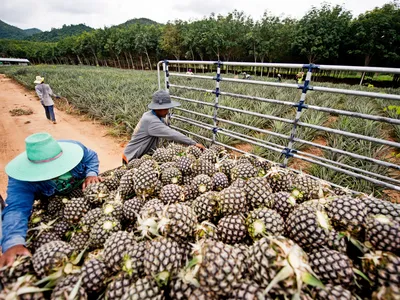
How a former farmer turned human-elephant conflict into an economic opportunity
For years, some farmers in Thailand have toiled to make a living from their crops, only to witness it all crumble under the footsteps of elephants. Now many have found innovative ways to embrace the situation.
© Gappeta Borneo / WWF Indonesia
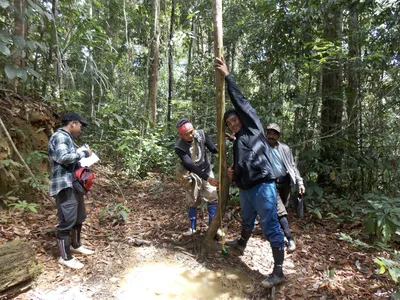
In Indonesia, a researcher sets off to count Borneo’s elusive wild elephants
Four teams of 10 to 12 trained researchers, rangers, community members, and porters traversed different parts of the Tulin Onsoi area of North Kalimantan to find signs of elephants.
How you can help
© WWF-US/Clay Bolt
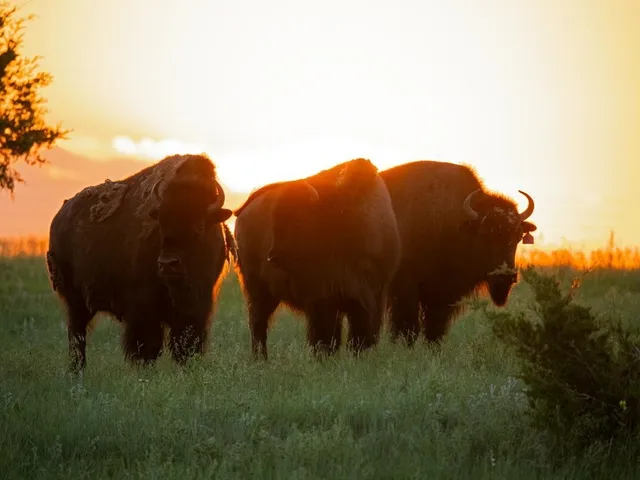
Support Tribes restore buffalo to the Great Plains
The Indian Buffalo Management Act would strengthen support for Tribal Nations who are working to bring buffalo back from the brink of extinction.