What is the environmental impact of leather?

© Rodrigo Baleia/Guardian/eyevine/Redux
Durable, versatile, and long-lasting, leather can be found everywhere from furniture retailers to fashion runways. And while many consumers avoid the textile, citing concerns about its environmental toll and animal welfare, demand for leather products persists. Now, many brands and companies—with help from WWF—have begun to rethink their supply chains.
Hidden cost
When demand for hides doesn’t keep pace with demand for beef, many unused hides go to waste. Typically, they’re burned or sent to landfills, where they emit greenhouse gases. In 2019, up to 5.5 million hides were wasted in the US alone, or around 17%, according to the Leather and Hide Council of America. That’s enough leather to make
For the forests
WWF, with the Textile Exchange and Leather Working Group, coleads the Deforestation-Free Call to Action for Leather, a cross-sector initiative that calls on brands and retailers to commit to sourcing their leather from deforestation-free supply chains by 2030 or earlier.

© Rodrigo Baleia/Guardian/eyevine/Redux
-
80% Deforestation caused by cattle ranching
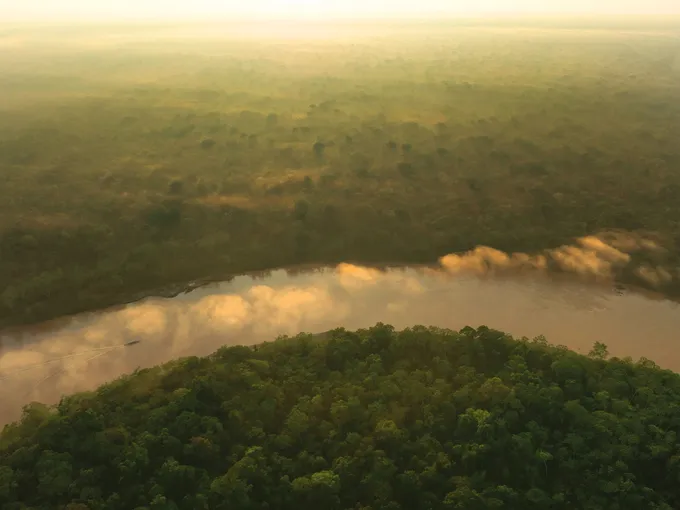
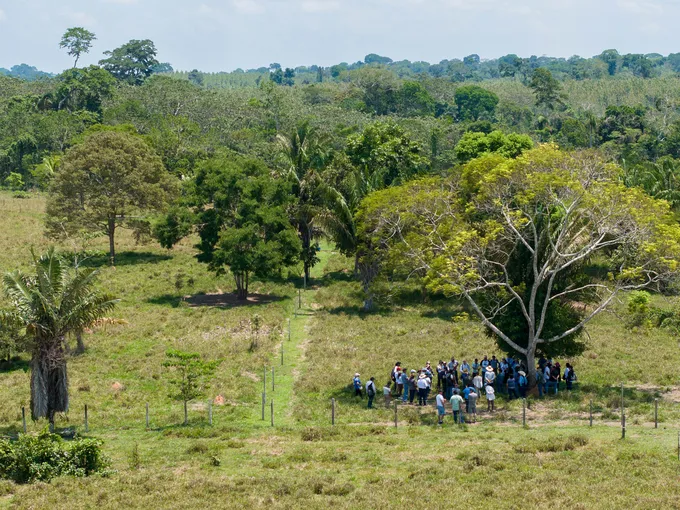
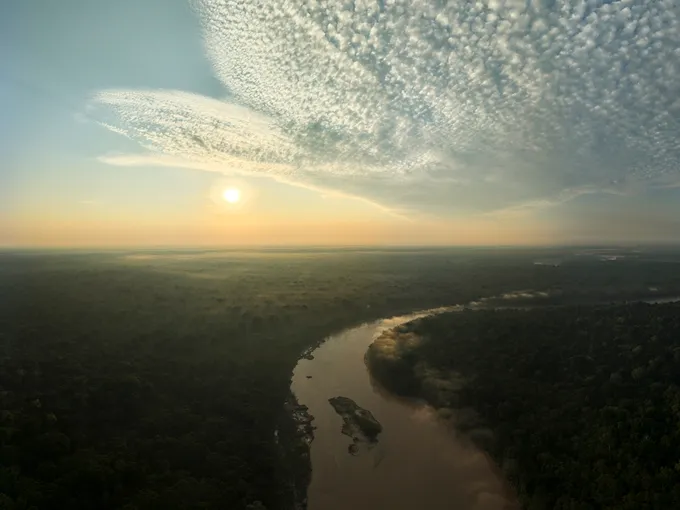
Cattle ranching in the Amazon contributes to significant biodiversity loss, increased fire risk, and soil erosion.
-
About 20% Leather bought by the auto industry
The auto industry purchases leather to produce vehicle seats and interiors, representing the world’s largest use of Brazilian leather.
Deforestation driver
In Argentina, Brazil, and Paraguay—some of the world’s top beef-producing countries—millions of acres are converted each year for cattle ranching.
Sustainable substitutes?
Many synthetic or vegan “leathers” are made of fossil fuel-derived plastics that don’t biodegrade. They also generally don’t last as long as animal leather and have less reuse and recycling potential.
Per-suede-ing policies
Leather supply chains are long and often opaque, making it hard to identify the raw material’s origin. By ensuring hides aren’t sourced from cattle reared on deforested land, promoting better ranching methods, and improving traceability, brands and companies that purchase leather can help drive more sustainable production while protecting at-risk ecosystems.
© TOM COATES
Explore more
Keep reading this issue of World Wildlife magazine