WWF study finds 509 new dams planned or under construction in protected areas

© MATEVŽ LENARČIČ
Rivers are more than water; they’re the lifeblood of ecosystems. So when a river’s natural flow is impeded by a dam, biodiversity suffers. Around the world, dams and other water infrastructure projects have contributed to a dramatic decline in freshwater species—over 84% since 1970. Local communities often lose out too.
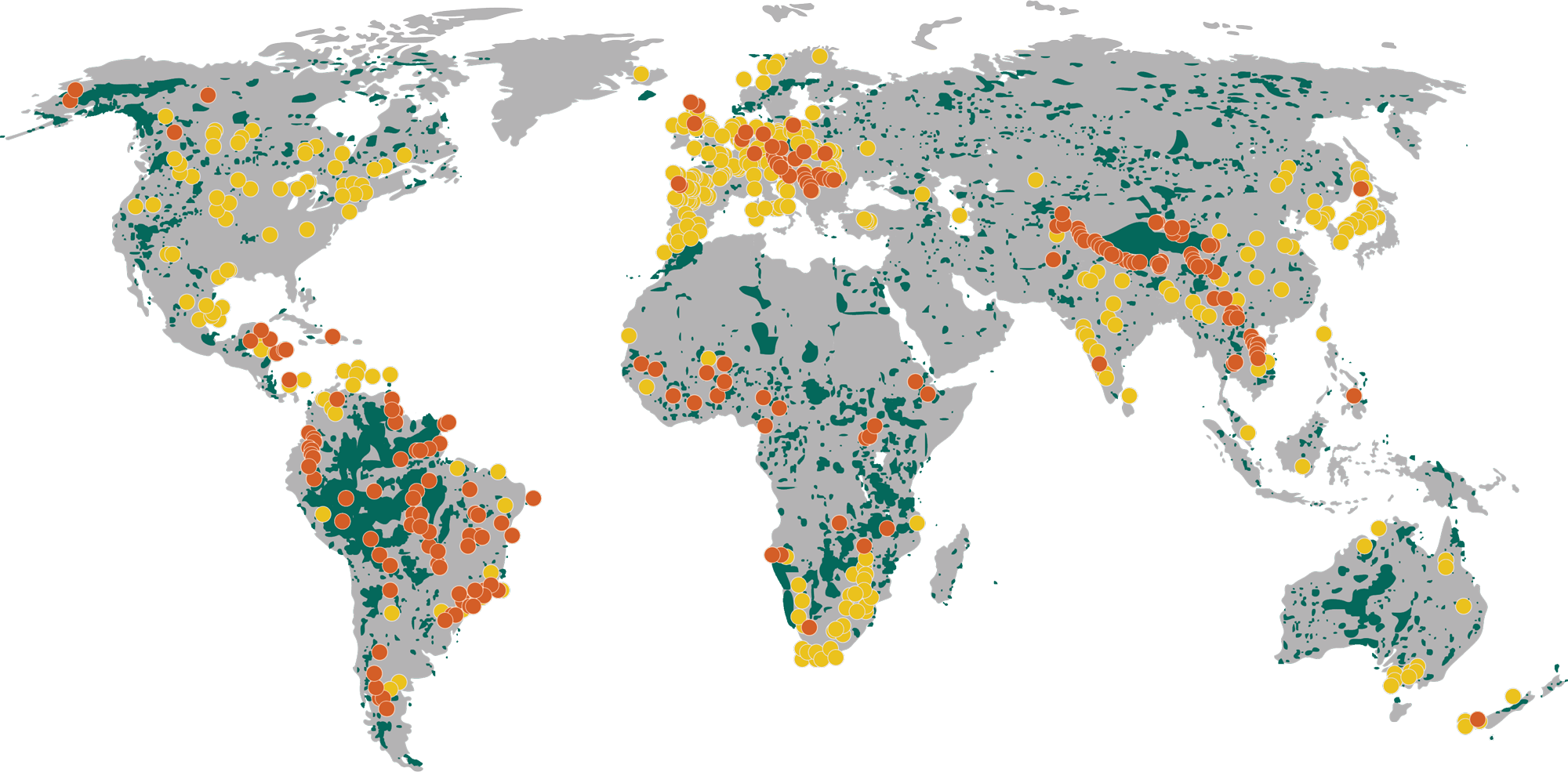
In 2019, a WWF study found that nearly two-thirds of the world’s long rivers are impeded. A 2020 study by WWF and partners looked more deeply at dams, and the findings were alarming: Worldwide, 509 new dams are planned or under construction in legally designated protected areas such as national parks, nature reserves, and lands inhabited by Indigenous people—fundamentally undermining the protections those places need.
Yet despite these dire findings, WWF continues working to create alternatives to destructive dams.
How do dams get approved in sensitive areas?
Many dams predated the establishment of the protected areas they are in. But sometimes, a protected area’s designation is rolled back through downsizing, downgrading, or elimination.
1. Brazil
In Brazil’s Rondônia state, designations protecting communities and habitats were removed to make way for the Jirau Hydroelectric Plant. The dam has changed the flow of the Madeira River, one of the Amazon’s largest tributaries, displacing Indigenous groups and increasing flood risk.
2. Croatia and Slovenia
Eleven dams are planned within protected areas along the Mura and Drava rivers. A study showed that the dams—intended to provide hydropower and flood protection—would transform the rivers, preventing fish migration, eroding riverbeds, and eliminating natural habitats.
3. Philippines
A dam in the works in the Kaliwa River Forest Reserve is expected to flood the habitats of endemic plants and wildlife and submerge sites sacred to Indigenous groups. The dam will provide drinking water in metropolitan Manila but will degrade water quality for local communities and pose risks to those who depend on the ecosystem for food.
WWF WIN: Cambodia
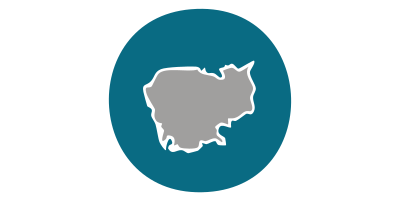
In 2020, following work by WWF and others, the Cambodian government issued a 10-year moratorium on new dams on the Mekong River. These dams would have blocked the major fish migration routes that are essential to the life cycle of over 80% of the Mekong River’s commercial fish catch.
WWF WIN: Zambia
In 2019, the Zambian government abandoned plans for a new hydropower dam on the Luangwa River, opting instead to revisit the long-term sustainability of its national energy plan. Almost 200,000 WWF supporters signed a petition opposing the dam, which would have inundated large parts of South Luangwa National Park.
Flow on
WWF works with partners around the world to
• Prevent new dams in protected areas
• Prevent rollbacks of protections that safeguard rivers
• Support governments in sustainable energy planning, including consideration of alternative energy options like solar and wind
• Find alternative sites for new hydropower projects to minimize negative impacts
© LUIS BARRETO/WWF-UK
Explore more
Keep reading this issue of World Wildlife magazine