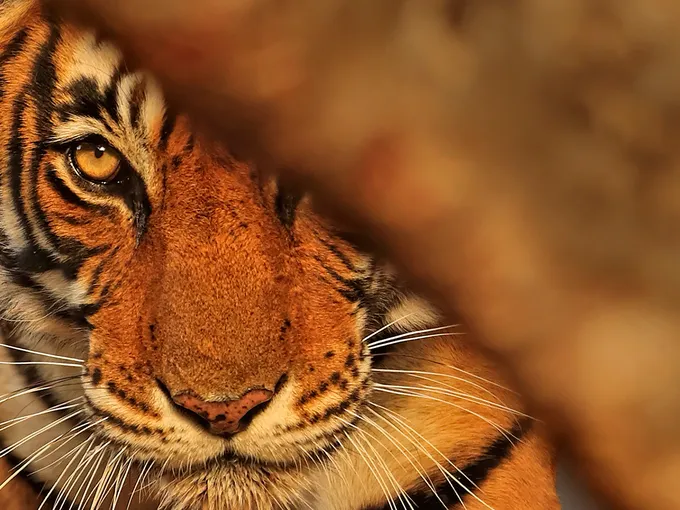
Can challenging our assumptions help us make better conservation decisions?

© Chris Gash/WWF-US
At a global organization like WWF, decisions about where and how to work might number in the thousands on any given day, with leaders considering available evidence and bringing their professional knowledge to bear.
But our cognitive biases—unconscious mental filters—can undermine even the most data-driven and well-intentioned decision-making, say researchers from WWF and the Alliance of Conservation Evidence and Sustainability. Their recent report explores how evidence is gathered and used to influence decisions, and aims to improve the conservation field’s track record going forward.
Recognizing common biases is the first step. For instance, knowledge from past projects can unduly impact present choices, and the loudest voice in the room can have outsized influence on a group. Contextual factors, such as stress and limited resources, can make matters worse.
Organizations can implement various practices and techniques to counter biases, though. To resist groupthink, for example, a team can actively challenge biases by appointing a devil’s advocate. The researchers note that formalizing and funding such practices can help ensure that all relevant information gets a fair hearing, increasing the likelihood of positive outcomes.
© Philippe Oberle / WWF
Explore more
Keep reading this issue of World Wildlife magazine