Saving the world's freshwater fish
Fascinatingly diverse, culturally significant, and integral to the livelihoods of 60 million people worldwide, freshwater fish are an essential protein source for both people and iconic mammals, including Alaska’s grizzly bears and the Irrawaddy dolphin. They also signal ecosystem health—when fish are plentiful, ecosystems are often thriving.
But freshwater fish are sending up an SOS. The International Union for Conservation of Nature has declared 80 freshwater fish species extinct, while migratory fish population numbers have fallen by three-quarters in the past 50 years. Threats overflow: Poorly planned dams, pollution, agriculture and irrigation, overfishing, invasive species, and climate change all strain freshwater ecosystems and their inhabitants.
More than half of all known fish species live in freshwater; of those, around 30% are now threatened with extinction.

That’s why WWF and its partners have designed a freshwater biodiversity Emergency Recovery Plan. The steps are simple, but not easy: We must protect and restore free-flowing rivers and critical habitats; improve water quality; halt harmful overfishing, sand mining, and invasive species; and remove obsolete dams. Only with urgent, decisive action and all sectors on board—governments, local communities, businesses, and NGOs—can we ensure a healthy future for freshwater fish.
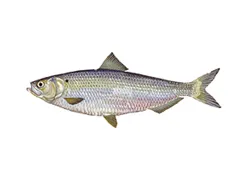
© SCOTT CAMAZINE/ALAMY STOCK PHOTO
River recovery
One reason for hope? After poorly planned dams were removed from Maine’s Penobscot River, the native river herring population jumped from a few thousand to over 2.8 million.
© Philippe Oberle / WWF
Explore more
Keep reading this issue of World Wildlife magazine