Here's how insects help keep ecosystems in balance
Whether they crawl, fly, squirm, or slither, insects get the job done: They maintain healthy soil, recycle nutrients, pollinate flowers and crops, and control pests. But by the end of the century, up to 40% of the world’s insect species may go extinct owing in part to habitat loss. In fact, many insect populations—bees, grasshoppers, moths, butterflies, beetles, and ants—are already plummeting in ecosystems such as the Great Plains, where over 30 million acres of grasslands have been plowed up since 2009. But gardeners, homeowners, policy-makers, Native American nations, ranchers, and others are finding ways to protect insects, from planting native gardens to avoiding pesticides to conserving habitats. Here are just a few of the critters that help keep North America, and our planet at large, in balance.
© MUTI/WWF-US
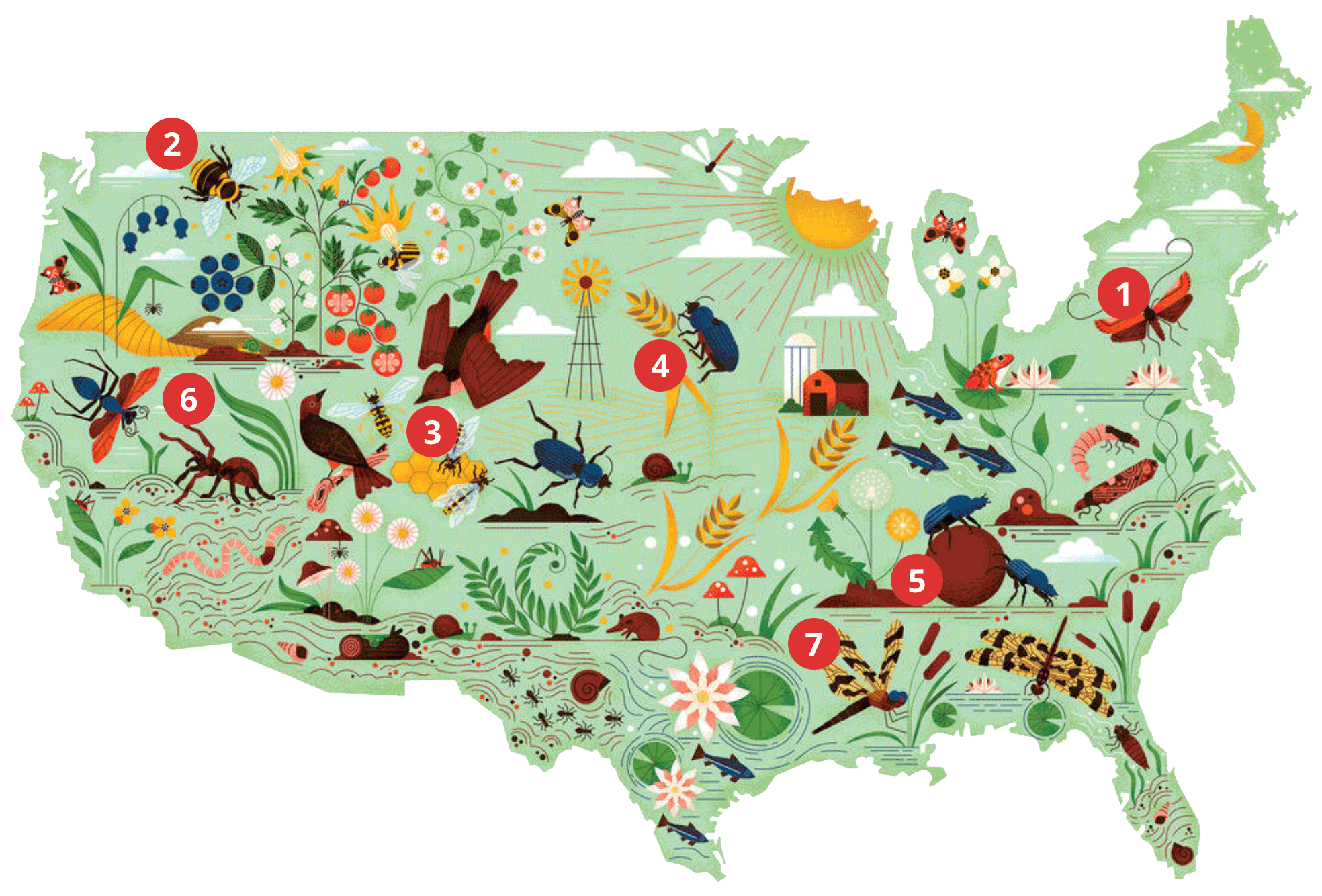
1. Water filters
Insects like the giant casemaker caddisfly break down debris in aquatic ecosystems such as wetlands, ponds, creeks, and streams, contributing to cleaner water for people, wildlife, and plants.
2. Fruits of their labor
The population of the western bumble bee—one of approximately 4,000 species of bees native to North America—dwindled 93% between 1998 and 2018. Without bees, which along with other pollinators contribute billions of dollars’ worth of ecological services annually, we’d no longer have delicious foods like blueberries and tomatoes.
3. Bird bites
Ninety-six percent of North American birds, including the eastern phoebe, feed insects like yellow-jacket wasps to their young. One study estimates that, worldwide, birds consume up to 500 tons of insects each year.
4. Farmer’s friends
Of the approximately 1 million known insect species in the world, only 0.5% damage crops. In fact, predatory insects such as ground beetles increase crop yields by keeping weeds and pest species in check.
5. Digging in the dirt
By breaking down and burying animal waste, dung beetles can reduce overall methane emissions on dairy and beef farms, a 2016 study found. In addition, these six-legged “garbage collectors” reduce disease, aerate the soil, disperse seeds, and promote plant growth.
6. Crowd control
Wasps such as the tarantula hawk are often feared for their stings. But wasps and other important predators help prevent populations of caterpillars, spiders, and crickets from reaching pest levels, providing an estimated $416 billion in pest control each year.
7. Skeeter eaters
Dragonflies first appeared on Earth more than 100 million years before the rise of dinosaurs. Halloween pennants and other species are voracious predators of mosquitoes—which are vectors for various infectious diseases—with some dragonflies consuming hundreds in a single day.

Nature’s undertakers
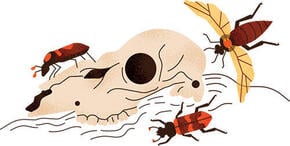
American burying beetles form one of nature’s most efficient cleanup crews. As carrion-feeding insects that help animal carcasses decompose, they keep the North American landscape looking—and smelling—a lot better than it otherwise might.
© Antonio Busiello / WWF-US
Explore more
Keep reading this issue of World Wildlife magazine