Protecting mangroves around the globe
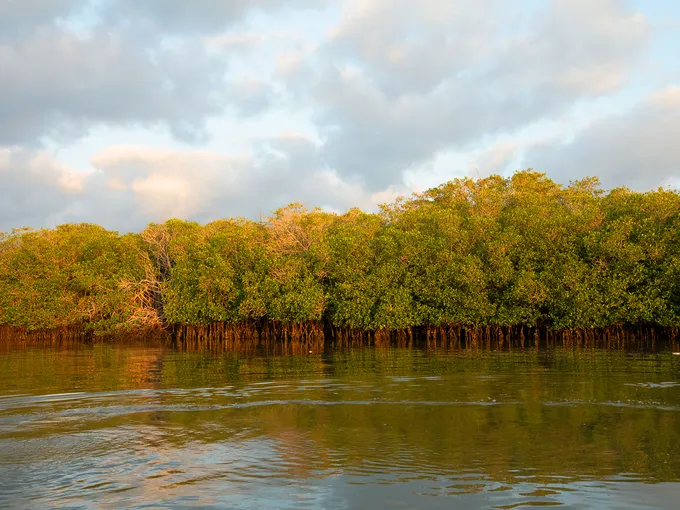
The need to protect and restore the world’s mangroves has never been greater. WWF is working not only in Mexico, but also in sites around the world, including in Colombia, Madagascar, and Fiji. Like Mexico, all of these are countries in which governments and communities have the capacity to increase and strengthen mangrove protection and management, with an emphasis on working under climate-smart principles to reduce the vulnerability of people and ecosystems to climate change.

© WWF
“Mangroves must be protected. They are a powerful solution in the fight against climate change, and their importance to nature and livelihoods—in places like Boca de Camichín and elsewhere in Mexico, Colombia, Fiji, and Madagascar—cannot be overstated. We are proud to support WWF’s efforts to protect and restore these vital ecosystems.”
Andrew Steer
President and CEO, Bezos Earth Fund
© WWF-US / Keith Arnold
Colombia
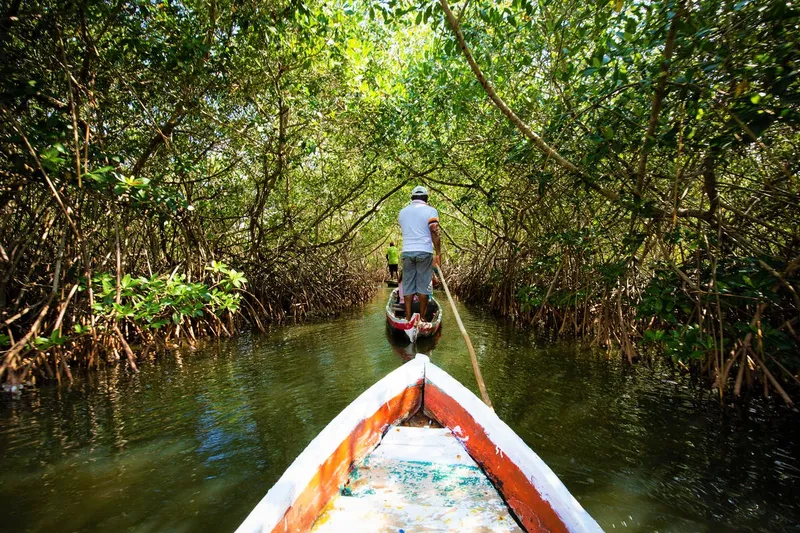
To protect the tallest mangroves in the Americas, communities around the deltas of the Iscuandé River and San Juan River are expanding climate-resilient and sustainable livelihoods. This involves working with WWF on fishery management of piangua, an edible mollusk, and on establishing both regional protected areas around the deltas and a national mangrove strategy.
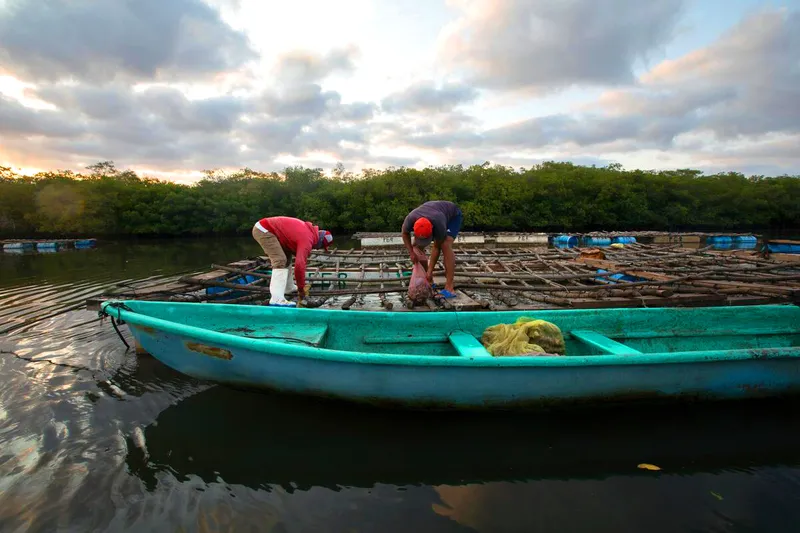
© NICOLE FRANCO/WWF-US
Mexico
On Mexico’s Pacific coast, oysters are farmed among the mangroves of the Marismas Nacionales Nayarit Biosphere Reserve. Along the Gulf of Mexico, the Yucatán Peninsula is home to fishing cooperatives and mangrove ecotourism organizations. Business owners and environmental leaders work with WWF to build capacity for sustainable businesses and support mangrove restoration so that these livelihoods can better survive future climate change threats.
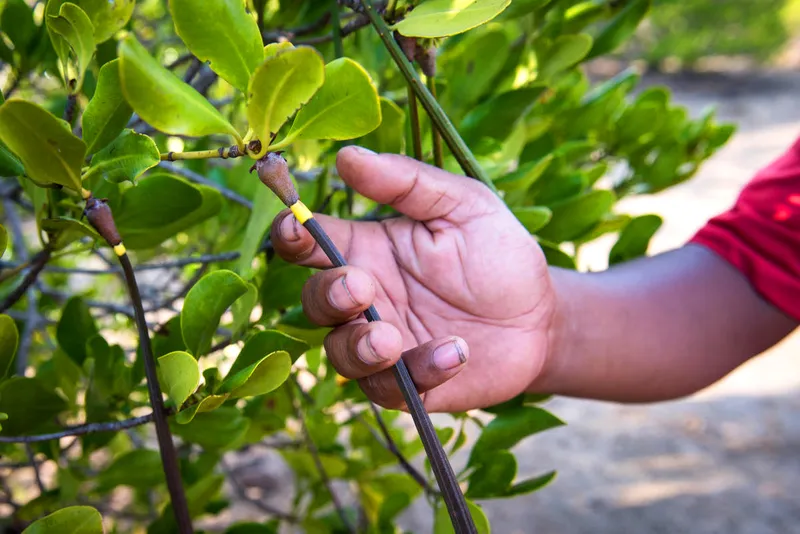
© NICK RILEY/WWF-MADAGASCAR
Madagascar
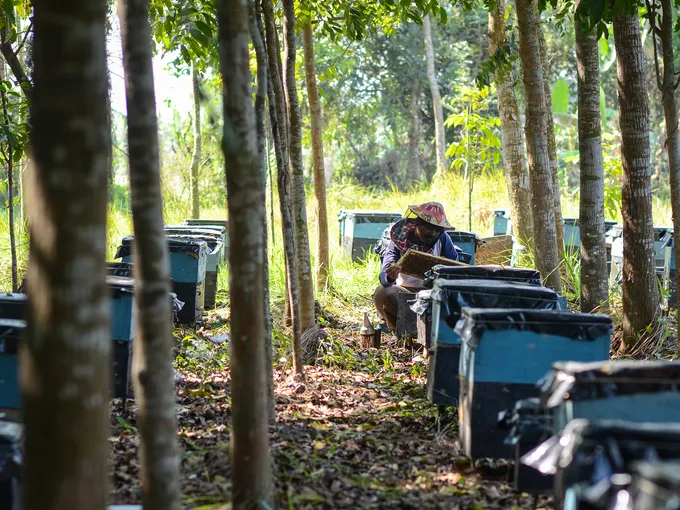
Beekeeping, seaweed farming, and crab fishing are all dependent on healthy mangroves in the Diana and Manambolo Tsiribihina land and seascapes. To help these livelihoods remain stable, community-based organizations and WWF are restoring and sustainably managing the mangroves and training fishers to manufacture belaroa, fishing gear that only captures crabs measuring above 4.3 inches.
© WWF-Pacific/Tom Vierus
Fiji
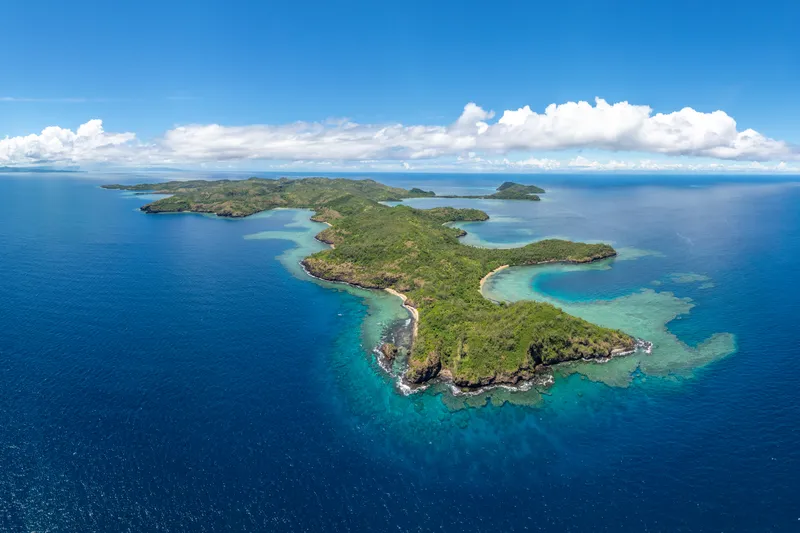
Mangrove forests are vital nursery habitats for reef fish—an important local income generator—in Fiji’s Great Sea Reef. WWF is working with communities in Fiji to expand resilient livelihood opportunities that complement traditional management practices in Ba and Macuata provinces, while also advocating for protective legislation and garnering investments in the conservation and restoration of mangroves.
These projects are only a part of WWF’s work on mangroves. Johan Bergenas, senior vice president for oceans at WWF-US, notes that “mangrove protection and restoration are vitally important in Mexico and in many other countries around the world.” We are grateful for the support of committed donors like the Bezos Earth Fund, Jida Bittner-Helle, Linda A. Mars, and the Grantham Trust who make those projects possible.
© ISTOCK/MARTIN HRISTOV
Explore more
Keep reading this issue of World Wildlife magazine