Mapping animals’ movement between protected areas
Climate change, shifting land use, and development increasingly isolate the world’s more than 200,000 protected areas. As these “islands” of habitat become more fragmented, wildlife populations become less genetically diverse and more vulnerable to disease. They may even go locally extinct.
To understand how animals move between protected areas and the degree of connectivity between them, WWF and other scientists* produced the first-of-its-kind Protected Area Isolation Index. The findings, released in 2022, pinpoint areas for urgent intervention.
With two-thirds of the most critical connectivity areas unprotected, WWF is working around the world to bridge those gaps, including through Wildlife Connect, a collaborative initiative that helps maintain and increase ecological connectivity.
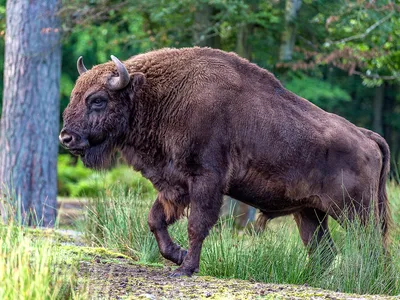
CARPATHIAN MOUNTAINS, EUROPE
The Carpathian mountain range is among Europe’s most biodiverse yet at-risk areas: Fences, roads, and human settlements have reduced the region’s wildlife migration corridors. WWF-Romania installed camera traps to strategize connectivity solutions for animals like European bison, which have been reintroduced in recent years.
© OLA JENNERSTEN/WWF-SWEDEN
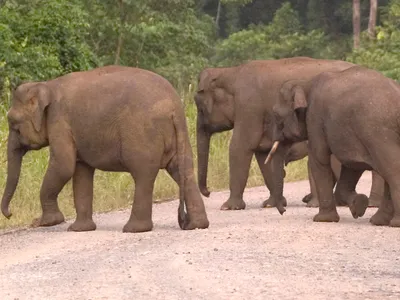
SABAH, MALAYSIA
Infrastructure and palm plantation development have wiped out over half of Sabah’s Bornean elephant habitat. These creatures, among the least understood elephant species, navigate plantations to move between protected forest reserves—close quarters that can lead to human-wildlife conflict. WWF-Malaysia collars and studies elephants to help plantation owners establish safe corridors between forests, ultimately minimizing conflict and crop damage.
© CEDE PRUDENTE/WWF
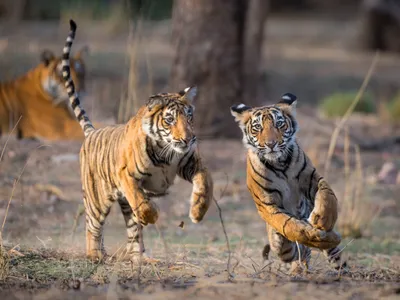
CENTRAL INDIA
More than 20% of the world’s estimated 5,574 remaining wild tigers—the newest estimate from the Global Tiger Forum—inhabit Central India, a global hub of the cotton industry. Wildlife Connect recently funded camera-trap research to analyze how species use the region’s ecological corridors. WWF-India is now engaging global cotton buyers to support approaches that increase farmers’ profits and make the areas safer for tigers and other animals.
© Richard Barrett / WWF-UK
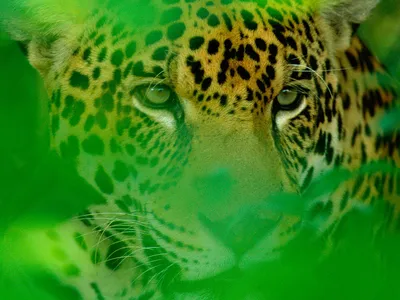
PANTANAL-CHACO (PACHA) REGION, SOUTH AMERICA
Comprising dry forests, savanna grasslands, and the world’s largest tropical wetland, this 265-million-acre region is under tremendous stress from agriculture and cattle ranching. Wildlife Connect recently facilitated local experts’ effort to map jaguar movements here to aid big cat conservation initiatives.
© Staffan Widstrand / WWF
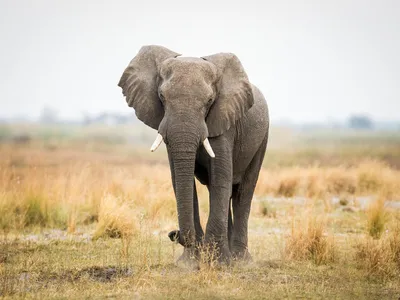
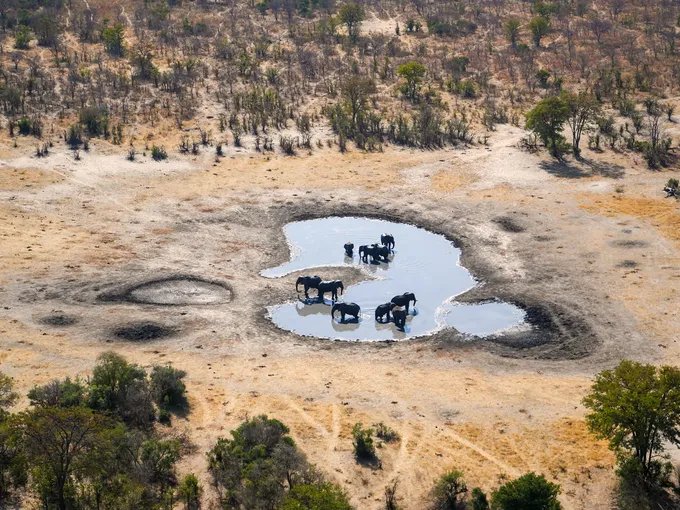
KAVANGO-ZAMBEZI TRANSFRONTIER CONSERVATION AREA (KAZA), SOUTHERN AFRICA
In 2011, five countries set out to establish conservation and tourism as the economic drivers of a region the size of France.
In 2023, WWF and partners completed two multiyear research projects across the entire transfrontier landscape: a synchronized aerial survey of KAZA’s elephants and an analysis of elephant movement ecology and connectivity. These efforts will inform wildlife management plans, tourism investments, and solutions for human-wildlife coexistence.
© Will Burrard-Lucas / WWF-US
Human benefits of ecological connectivity
- Free-flowing waterways bolster fish numbers and improve the health of agricultural floodplains by distributing nutrients.
- Connected forests maximize predators’ access to prey—minimizing livestock predation and other drivers of human-wildlife conflict.
- More animal movement means increased seed dispersal, which leads to healthier forests that help store carbon and control floods.
≥90% of protected areas exist within a matrix of human-dominated and increasingly fragmented landscapes
* Researchers from WWF and the University of British Columbia developed the Protected Area Isolation Index; see “Functional Connectivity of the World’s Protected Areas,” Science for more detail.
© MIKE SPRENG
Explore more
Keep reading this issue of World Wildlife magazine