A decade of efforts help build community and wildlife resilience in Nepal
Spring 2017
Our feature “Circulatory Systems” took readers to Nepal, where the US Agency for International Development’s (USAID) Hariyo Ban Program—implemented by a consortium of four NGOs led by WWF—was addressing the impacts of climate change, habitat degradation, and poverty on people and nature. There, communities were experiencing the effects of climate change firsthand, from the drying up of water sources to an increase in forest fires to record rain and hailstorms. Five years into the 10-year USAID project, Hariyo Ban had supported thousands of people and helped sequester or avoid emissions of 4.9 million tons of carbon.

© Karine Aigner / WWF-US
Backing tigers
We supported local communities, government, and other civil society organizations in managing tiger habitat and reducing human-wildlife conflict in the Terai Arc Landscape. With greater protection and access to dispersal areas, Nepal’s tiger population nearly doubled in just nine years to a total of 235 in 2018.
Lab on track
The program supported the upgrading of Nepal’s only molecular diagnostic wildlife laboratory, run by consortium partner National Trust for Nature Conservation, so it can conduct genetic research on endangered species and monitor diseases that threaten wildlife, livestock, and human health.
Rights and green standards
We worked with the government of Nepal to promote human rights and conservation standards in the country’s policies and strategies. The program shared its experience and expertise with the Ministry of Forests and Environment to help revise their gender equality and social inclusion strategy and action plan in 2020. In 2019, we supported the Department of Roads in producing a training manual that includes road construction strategies to reduce landslides and keep people and wildlife safe.
Water at hand
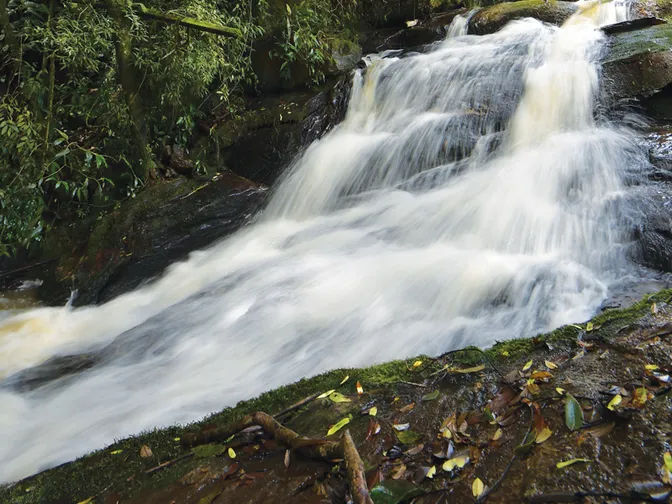
To protect watersheds threatened by climate change and forest loss, in 2017–2019 the program helped local governments incorporate existing plans for local climate adaptation and small watershed management into their periodic plans. We also helped newly elected representatives understand the need to reduce risk of natural disasters.

© KARINE AIGNER/WWF-US
© ADRIANO GAMBARINI/WWF-US
Explore more
Keep reading this issue of World Wildlife magazine