How the US's number one crop is putting grasslands at risk

© CORN ON THE COB © ISTOCK.COM/VIKTORIIA KRULKO, MEDICINE BOTTLE © ISTOCK.COM/SMARTSTOCK, CRAYONS © ISTOCK.COM/PEPIFOTO, GAS PUMP © JESADA - STOCK.ADOBE.COM, TOOTHBRUSH © ISTOCK.COM/VALERIIA ANISIMOVA
It’s hard to imagine a summer cookout or night at the movies without corn. Also known as maize, this golden grain is the second largest crop in the world—number one in the US—and a standard ingredient in many household products, foods, and beverages. But one of corn’s main uses—making ethanol to power our vehicles—is driving destructive land-use change in already vulnerable grasslands.
All-American crop
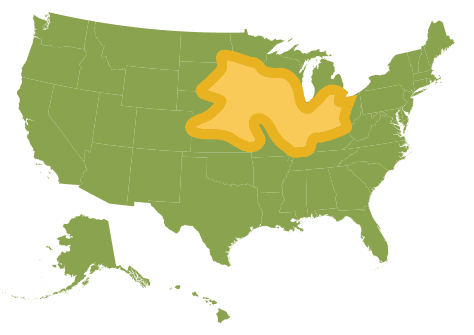
Today, most corn is grown in the US, where it covers an average of 90 million acres of land annually. More than one-third of those crops are cultivated in the Corn Belt, which includes Illinois, Iowa, and neighboring states.
1.6 million acres
Grassland habitat lost to agricultural conversion in the Great Plains in 2021, 18% of which was plowed up for corn crops.

© WWF-US/Diana Cervantes
Lend me your ears
One critical protection for US grasslands is the Farm Bill, which helps farmers, ranchers, and forest owners meet sustainability goals. In 2023, WWF championed several updates to the bill, providing recommendations to Congress aimed at ending habitat conversion, preventing food loss and waste, and protecting threatened wildlife.

© Frank Parhizgar
One bushel of corn is...
50–60 plants, 91 ears of corn, 80,000 kernels, and so much more
-
400 cans of soda sweetened
Corn is added to a surprising number of items we use every day. Processed into sweeteners, starches, oils, and industrial alcohols, corn products are found in medicines, cosmetics, bioplastics, diapers, crayons, and fireworks—and help give flavor and texture to everything from toothpaste to salad dressing.
-
2.8 gallons of ethanol yielded
Around 40% of corn grown in the US is used to produce ethanol, a renewable biofuel that’s blended into gasoline to reduce emissions and improve air quality. But as demand for biofuel crops has surged, so has the conversion of intact grasslands into croplands, contributing to species declines and increased carbon emissions.

© WWF-US/SHAUN MARTIN
Explore more
Keep reading this issue of World Wildlife magazine