President’s letter: Getting ahead of the curve
Our work takes place in some of the most inspiring and stunning landscapes, seascapes, and watersheds in the world. But in addition to being soul-stirring, many of these places are often highly vulnerable due to climate change and nature loss.
Millions of people live in communities with high risks of flood, fire, drought, and other extreme events that affect their health and well-being. The good news is that we can get ahead of that catastrophe curve, and nature plays an important role in helping us do just that. Because it turns out that nature isn’t just breathtaking—it also plays a deeply important role in safeguarding communities and making them more resilient to these challenges.
For instance, mangroves help stabilize coastlines, shield communities from extreme weather events, and provide livelihoods. Watersheds with intact forests provide cleaner, more consistent water flows. We know that places with strong and sturdy nature prove more durable when heat waves, floods, fires, and other catastrophes strike.
People and nature rely on each other, and adaptation and resilience efforts should reflect this relationship. Nature supports communities, economies, and infrastructure in facing climate change, while people play a vital role in protecting and restoring nature.
So it stands to reason that one of the most important roles WWF plays is building partnerships that can help build greater resilience for people and communities.
People and nature rely on each other, and adaptation and resilience efforts should reflect this relationship.
A fantastic example of just such a partnership was highlighted at the United Nations Climate conference in Dubai where I hosted a session about Recharge Pakistan, a $73 million project supported by the Green Climate Fund, The Coca-Cola Foundation, and WWF, in partnership with the Government of Pakistan.
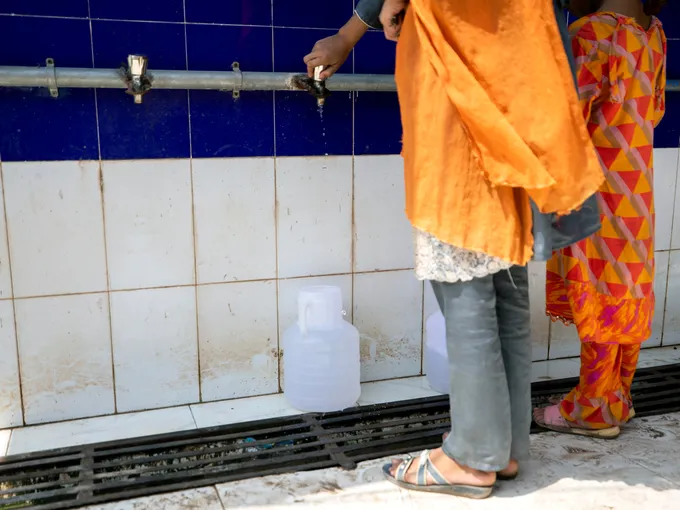
After the catastrophic 2022 flooding of the Indus River and its tributaries in Pakistan that submerged one-third of the country, Recharge Pakistan created the architecture to conserve and restore forests and wetland systems nearby, while considering the needs of the people most at risk. A feedback loop was also built in, allowing experts to monitor and refine the approach over time.
I dream of recreating this model in other places around the globe, where institutions will move as fast as the world around them to erect safeguards that prevent future catastrophes from wreaking havoc on human lives, as well as nature.
Recharge Pakistan struck a chord with me because it uses nature as a powerful response to a devastating situation. We ought to try to think ahead of the curve, by which I mean anticipate where such catastrophes are likely to occur in the future, and then restore and conserve nature to make communities more resilient.
The world is changing all around us. And the more that we can factor in those changes and imagine what will happen in the future, the more we can prevent the damage to nature and to communities that we are now starting to see every day.
We know that when we take care of nature, it takes care of us. And we know that nature needs us now more than ever. It’s time to bend the curve in nature’s favor, something we try to do at WWF every day.
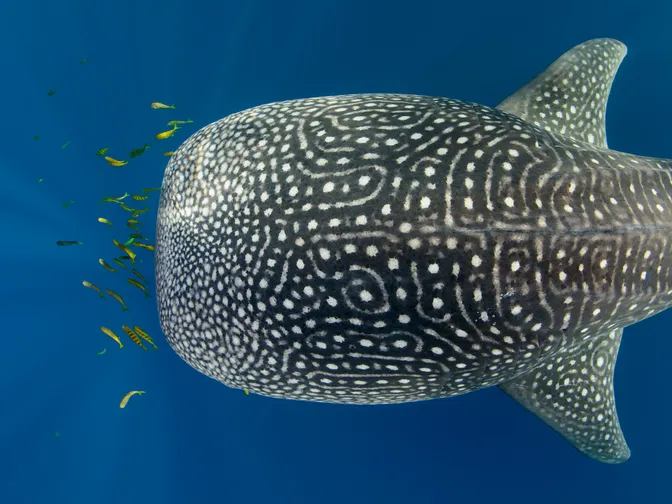
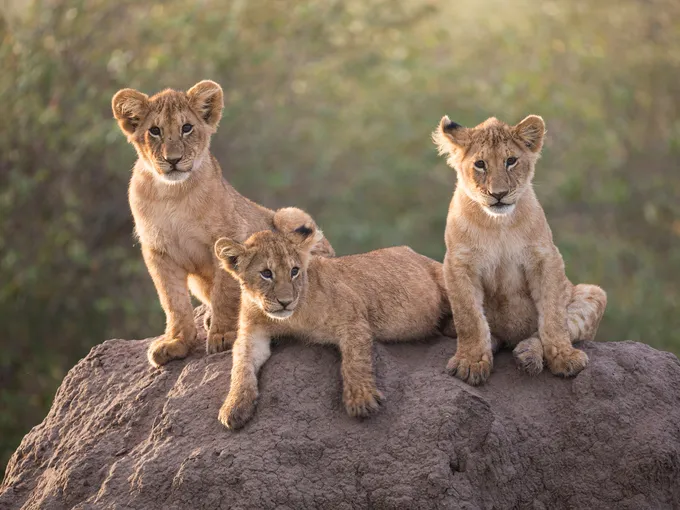
© PETE OXFORD/NATUREPL.COM
Explore more
Keep reading this issue of World Wildlife magazine