Bringing buffalo back

© Thomas Lee / WWF-US
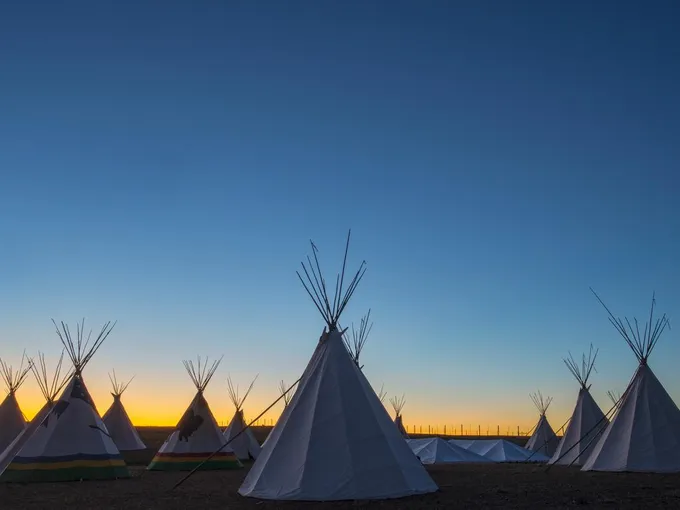
For thousands of years, Indigenous peoples of the Great Plains lived in balance with the grasslands alongside bison (or buffalo, as they are often referred to by Native communities), which they relied on for food, shelter, tools, and spiritual connection.
But at the turn of the century, Westward Expansion pushed bison to the brink of extinction. This devastation deeply affected the Tribes most connected to the animal, leading to a breakdown of traditional lifeways, including cultural and spiritual traditions, poverty, and declining health.
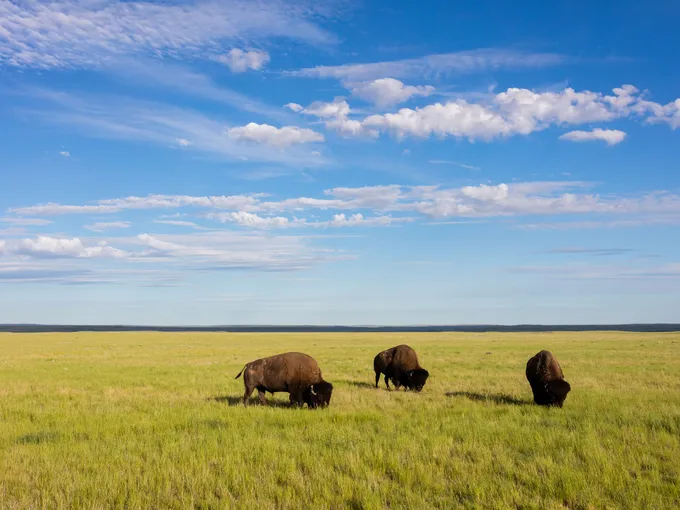
While conservation efforts have helped bison populations recover, they haven’t meaningfully benefited Native communities in areas such as health, culture, and livelihoods. Today, private owners manage most plains bison as livestock, leaving the species largely culturally and “ecologically extinct.” As a result, the benefits bison as wildlife provide to grasslands, native plants, and wildlife have largely disappeared.
For more than 20 years, WWF has worked in close partnership with Native Nations in the Northern Great Plains to revitalize grasslands and return bison to Tribal lands and communities.
Now, building on existing bison and grasslands conservation initiatives, including the more recent Tribal Buffalo Lifeways Collaboration alongside Native Americans in Philanthropy, WWF is deepening its commitment to support the most ambitious Native-led bison restoration effort in history.
“Our goal is that every Tribe has restored its own buffalo herd (including the land and resources to maintain it) and restored their cultural and spiritual relationship with the buffalo.”
Heather Dawn Thompson Vice President of Native Nations Conservation and Food Systems, WWF
© WWF-US / Zac Shamah
Forging unprecedented collaborations
While there has been ongoing government investment in returning bison to Tribal lands, federal funding has limitations. Moreover, many restoration efforts lack a holistic approach that prioritizes the needs and goals of Indigenous communities—such as providing essential infrastructure and training to ensure long-term success. This is why our bison initiatives, including the Tribal Buffalo Lifeways Collaboration partnership, prioritize listening first, aiming not only to return the animals to the land, but following our partners’ lead to support and invest in solutions that Native partners deem best for their communities and herds.
© naturepl.com / Todd Mintz / WWF
© WWF-US / Clay Bolt
Philanthropic support makes this groundbreaking collaboration possible. Early donor investments helped strengthen relationships with the Native communities leading this effort.
Today, Tribal leaders are advancing a shared vision to:
- Increase herd stabilization: Ensuring that Tribal governments have the resources to develop, stabilize, and protect the bison herds under their care as they see best.
- Establish Native-led programs: TBLC is built by Native Nations for Native Nations, and ensures Tribal governments have the resources to lead their own buffalo programs.
- Strengthen food sovereignty: Bringing buffalo back will strengthen food sovereignty and support healthy diets for Native communities. The TBLC is working to ensure buffalo can be processed in a culturally appropriate manner and provide a source of income and stability for Tribal communities while also protecting herd health.
- Build much-needed infrastructure: From water systems to wildlife-friendly handling facilities, infrastructure is vital for scale. At Fort Belknap Reservation, Montana, WWF donor contributions support Tribal partners in expanding bison habitats from 23,000 to 35,000 acres and installing fencing to improve grazing access.
- Grow bison populations: Land access remains a major challenge. In 2020, alongside the Sicangu Lakota, WWF raised the funding needed to develop a plains bison herd. The Wolakota bison now roam 28,000 acres of Native-owned grasslands on the Rosebud Reservation and is now one of North America’s largest Native-owned and managed bison herds.
Not only are these united efforts recovering bison, they’re building opportunities. Tribally managed bison herds are creating jobs, expanding access to health, traditional food sources, boosting tourism, and strengthening cultural and spiritual connections.
Restoring bison, rebuilding communities
With bold philanthropic support, we can help Native Nations reclaim what has been lost: strong bison herds, sovereign food systems, thriving grasslands, and cultural healing.

© Conservation Media / WWF-US
Get in touch
If you’re interested in learning more about how you can support this work, please contact the Philanthropy team at [email protected]
How you can help
© WWF-US/Clay Bolt
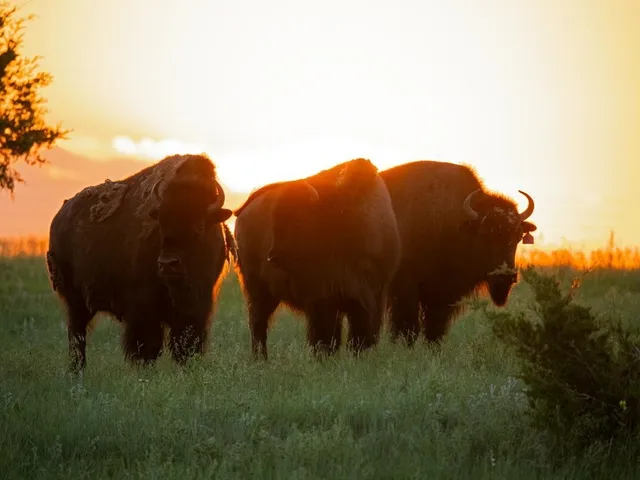
Support Tribes restore buffalo to the Great Plains
The Indian Buffalo Management Act would strengthen support for Tribal Nations who are working to bring buffalo back from the brink of extinction.