Building resilience is key to closing the climate insurance gap
By

© National Geographic Stock / Tyrone Turner / WWF
When climate-driven disasters strike, whether floods, storms, wildfires, or heat waves, nature plays a key role in a community’s ability to access and afford insurance and to recover and adapt.
A growing climate insurance gap is leaving millions of people exposed to climate impacts, weakening community resilience and reshaping real estate markets. As climate change intensifies weather extremes, insurance systems are struggling to keep up—putting households, economies, and nature at greater risk.
What is the climate insurance gap?
The climate insurance gap is the difference between economic losses from climate-related disasters and what insurance covers.
In many places, only a fraction of damages from floods, droughts, storms, or wildfires are insured. That leaves families, small businesses, and local governments responsible for repairing homes, restoring livelihoods, and rebuilding critical infrastructure. This gap is widest in communities that already face the greatest climate risks. Low-income households and rural areas in US counties are often the least insured, yet the most exposed to climate impacts. As climate change accelerates, these protection gaps are expanding, creating new barriers to climate resilience and recovery.
Climate change is outpacing traditional insurance models
Insurance is designed to spread risk over time. Climate change and nature degradation are disrupting that balance.
More frequent and severe disasters are making losses harder to predict and more expensive to recover from. In response, insurers are raising premiums, restricting coverage, or withdrawing entirely from high-risk regions.
When insurance coverage declines, climate risk doesn’t disappear—it shifts onto people and governments. Families are forced to rely on savings, loans, or disaster aid. Public budgets are strained by more frequent and more severe emergencies. Without reliable insurance, communities have fewer tools to recover quickly, invest in adaptation, or prepare for future climate impacts—undermining resilience over the long term.
Nature can reduce risk and strengthen resilience
Reducing the climate insurance gap isn’t only about financial instruments—it’s also about lowering risk at its source.
Healthy and robust ecosystems play a powerful role in climate resilience. Wetlands absorb floodwaters. Mangroves reduce storm surge. Forests stabilize soils and reduce wildfire intensity when properly managed. These nature-based solutions can significantly reduce disaster losses, making communities safer and insurance more viable.
Yet, despite its proven ability to protect people while supporting biodiversity and livelihoods, nature isn’t on balance sheets or risk analyses and is underinvested in as a result. Aligning insurance systems with climate-smart planning and nature-based solutions can reduce losses, lower premiums, and deliver long-term resilience benefits for both people and nature.
Building climate-resilient insurance systems
Closing the climate insurance gap will require coordinated action across sectors.
Governments and insurers can share information and better engage with communities and resource managers to understand risk. A better understanding and pricing of risk starts with a better understanding of nature and its benefits. Investment in nature-based solutions should be the first tool utilized in the toolbox, leveraging a collaborative approach between public and private sectors.
Equally important is integrating insurance into broader climate adaptation strategies—from land-use planning and resilient infrastructure to ecosystem protection and restoration. When insurance, climate policy, and conservation work together, communities are better equipped not just to recover from disasters, but to prepare for what lies ahead.
WWF is working with partners to advance climate-resilient solutions that protect people, ecosystems, and economies. Because in a warming world, resilience means ensuring that no one is left without protection when climate impacts strike.
How you can help
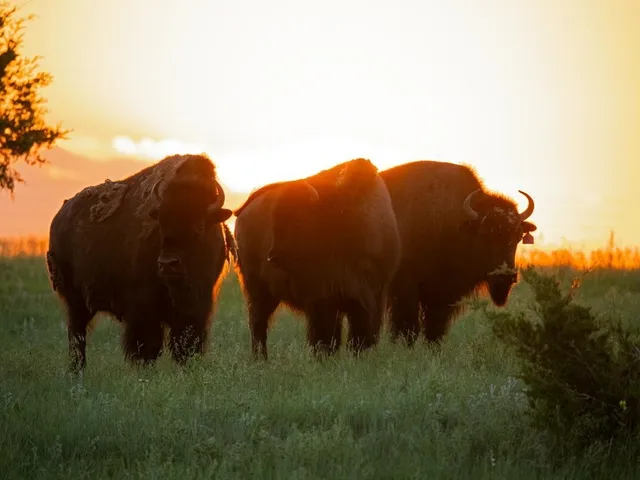
© WWF-US/Clay Bolt
Support Tribes restore buffalo to the Great Plains
The Indian Buffalo Management Act would strengthen support for Tribal Nations who are working to bring buffalo back from the brink of extinction.