Five reasons to transform transportation infrastructure
By
-
Vicky Markovitz

© naturepl.com / SCOTLAND: The Big Picture / WWF
Key takeaways
- While transportation infrastructure is essential, environmental protections must be integrated early in the planning process so infrastructure can support resilient communities and ecosystems.
- The Greening Transportation Infrastructure Development (GRID) program is advancing nature-friendly approaches to transportation infrastructure.
- With the right policies, planning tools, and financing in place, countries can design transportation systems that work for both people and nature.
Roads, railways, and ports connect people and are essential for thriving economies. But when nature isn’t considered from the start, infrastructure can fragment habitats and increase climate risks.
Too often, how infrastructure will affect wildlife and nature enters the conversation too late—after plans are set, financing is secured, and potential environmental harm is locked in. That’s the gap the Greening Transportation Infrastructure Development (GRID) Integrated Program was created to address. By integrating environmental protections early in the planning process, infrastructure can support resilient communities and ecosystems.
Here are five reasons why we should shift global norms to advance ecologically sustainable and climate-resilient approaches to transportation infrastructure:

© Yashpal Rathore / naturepl.com / WWF
We’re at an inflection point
The development of transportation infrastructure such as roads, railways, and ports is accelerating, particularly in low- and middle-income countries. Against the backdrop of accelerating climate change and biodiversity loss, these trends underscore a simple reality: business-as-usual approaches to infrastructure planning and design are no longer sufficient. This is an opportunity for governments, engineers, planners, civil society, financiers, and other key infrastructure practitioners to work together to positively shape communities and ecosystems in the decades to come.
The earlier the better
The greatest opportunity for impact occurs long before construction begins, early in the infrastructure planning process. Transportation infrastructure is generally designed for a service life of 50–100 years, but the impacts on landscapes and ecosystems are often irreversible. With the right policies, planning tools, and financing in place, countries can design transportation systems that work for both people and nature.
Nature and people thrive together
Species are integral parts of ecosystems, serving essential functions such as pollination and the dispersal of seeds and nutrients. They also provide benefits to communities, including nutrition, tourism, legal trade, and cultural and religious importance. Without ecological connectivity and thriving species, ecosystems cannot provide critical services such as clean air and water, carbon sequestration, and climate resilience. Allowing animals to move safely also improves public safety, including reducing wildlife-vehicle collisions on roads and reducing the spread of zoonotic diseases. When we consider nature in infrastructure development, both people and nature thrive.
More data is needed
Reliable, accessible data is fundamental to better infrastructure decisions and policymaking. Information mapping species’ movements, infrastructure assets, and key ecosystem resources allows planners to identify opportunities and constraints. While a lot of great data exists, there are still gaps to fill.
Collaboration is the key to moving forward
The infrastructure sector involves a wide range of stakeholders, from engineers and planners to biologists and NGOs to insurers and financiers to local communities. By working together, we can fill knowledge gaps and drive intelligent, informed solutions.
Supported by the Global Environment Facility, GRID is led by World Wildlife Fund, implemented in collaboration with the Asian Development Bank and UN Environment Programme, and executed by national-level governments and partners in its five national projects in Malaysia, Nepal, the Philippines, Suriname, and Ukraine. The program will develop a knowledge hub for compiling and sharing data and resources, connecting experts, creating and disseminating tools and training, and fostering research.
To learn more about the program, visit gridip.org.

© WWF-US/Luis Bernardo Cano
How you can help
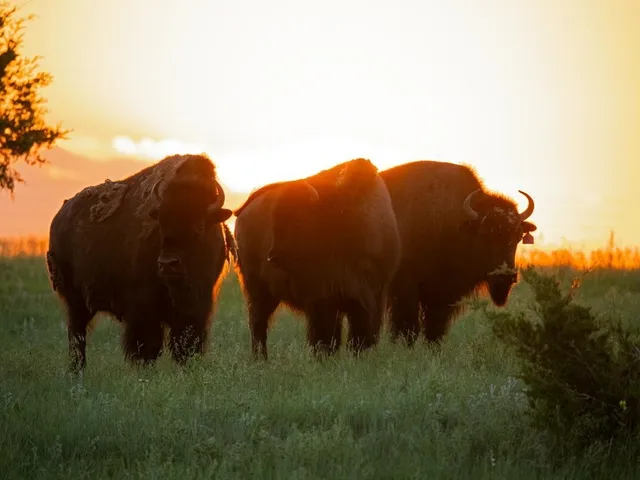
© WWF-US/Clay Bolt
Support Tribes restore buffalo to the Great Plains
The Indian Buffalo Management Act would strengthen support for Tribal Nations who are working to bring buffalo back from the brink of extinction.