How climate change could impact our future
A new visualization shows versions of what people and species could face based on the decisions we make now

© Staffan Widstrand / Wild Wonders of China / WWF
A new report by an international body of scientists exposes the sheer gravity of climate change and the increasingly severe climate impacts facing people and nature. The International Panel on Climate Change (IPCC) report included a stunning data visualization that uses warming stripes—a series of colored lines in chronological order that portray long-term temperature trends—to show how the climate people live with today differs from the climate that their parents experienced and the one that their children could experience.
To drive home the impacts on nature, WWF created a new version incorporating plants and animals to highlight how climate change affects generations across all species on the planet.
Global warming trends
Historic global temperatures and future emissions scenarios and their impact on an individual species over its lifespan
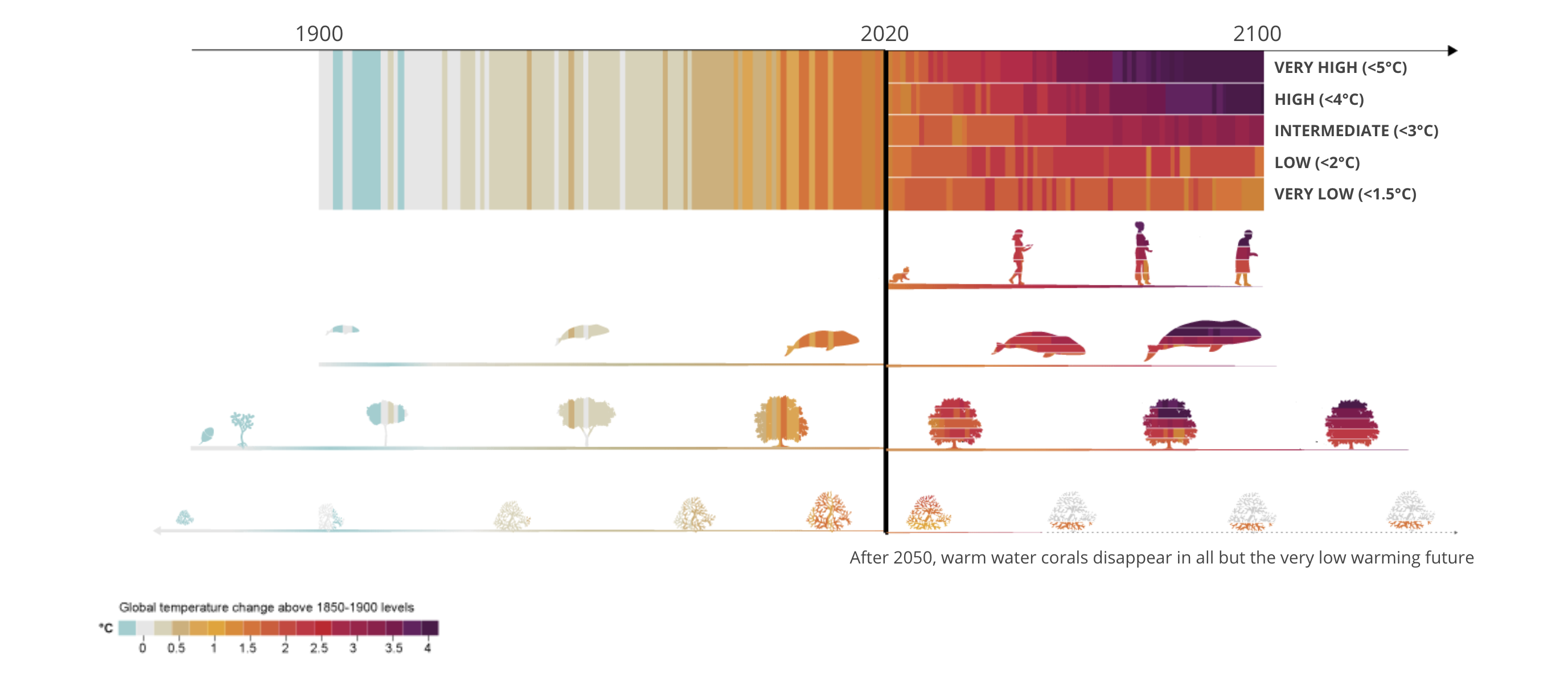
With every increment of warming, extreme events including heatwaves, droughts, fires, floods, and storms, and their impacts on nature and our lives, become more frequent and severe.
Climate change is already affecting species in terrestrial, freshwater, and ocean ecosystems around the world, according to the IPCC. Future warming will make impacts worse. More frequent and more severe extreme events like droughts, floods, and fires, along with habitat degradation, changes in water cycles, and heat stress challenge most animal populations. Those impacts also affect humans and lead to more competition among all life for resources.
A look at the impact on a few species
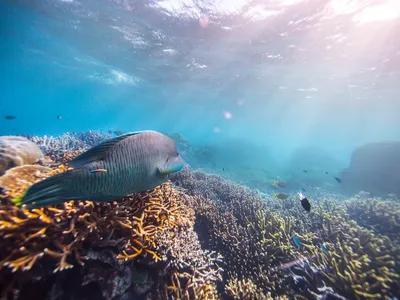
Warm water corals
Warm water corals like red coral can live for hundreds of years. These organisms are highly sensitive to warming. In a very low warming future—one that limits temperature rise to 1.5ºC—the IPCC projects a loss of 70% of warm water corals. Beyond a 2ºC increase, virtually all warm water corals disappear.
© WWF / James Morgan
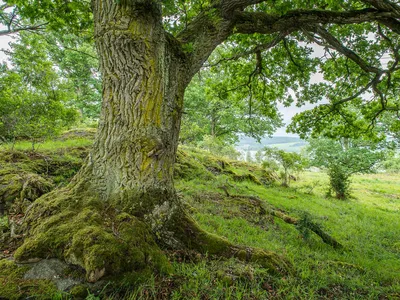
Oak trees
There are about 500 species of oak trees, many of which can live over 250 years. So far, oaks have adapted to climate change by shifting their range and evolving genetically. But climate change harms these species as the frequency and ferocity of wildfires increase, pests gain more opportunities to thrive, and drought intensifies in some landscapes.
© Ola Jennersten / WWF-Sweden
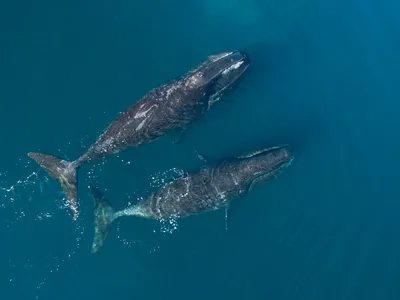
Whales
Whales are long-lived species, and bowhead whales can live more than 200 years in the wild. Climate change is affecting bowhead habitat use, distribution, and migration timing.
© VDOS Global / WWF-Canada
Nature is part of the solution
But while nature is impacted by climate change, it’s also part of the solution. Nature has slowed global warming by absorbing 54% of human-related CO2 emissions over the past decade. And if we reduce deforestation, restore ecosystems, manage forests, help soil store more carbon, and improve farming techniques, nature can absorb even more. Nature offers protection as well. Healthy ecosystems can increase resilience and keep people safer from climate impacts. Coral reefs offer protection from storm surges, along with wetlands and mangroves. Forests also soak up excess rainwater, preventing run-offs, landslides, and damage from flooding.
We know the steps that governments, businesses, and all of us must take to stop climate change at or before 1.5ºC. We must cut global emissions by half by 2030, as well as enhance and restore healthy ecosystems.
Credits
Original figure: IPCC Synthesis Report SPM 2023 (led by Alex Ruane and Background Stories)
Warming stripes: Ed Hawkins