How to make the Bering Strait safer for wildlife and people
By
-
Emma Barnes

© VDOS Global / WWF-Canada
Key takeaways
- Marine traffic through Alaska’s narrow Bering Strait is growing as a warmer climate makes Arctic travel easier.
- Wildlife migrating through the Bering Strait, including bowhead whales, can be injured by vessel strikes and noise pollution.
- Arctic Watch, a collaborative initiative that WWF is involved in, recommends safety measures and shares live data with vessels to make the Strait safer for people and marine wildlife.
Climate change is making the Arctic increasingly navigable by water, and commercial shipping in the region is growing. Unregulated and unsafe shipping can harm marine wildlife and impact ocean access that Arctic Indigenous Peoples depend on.
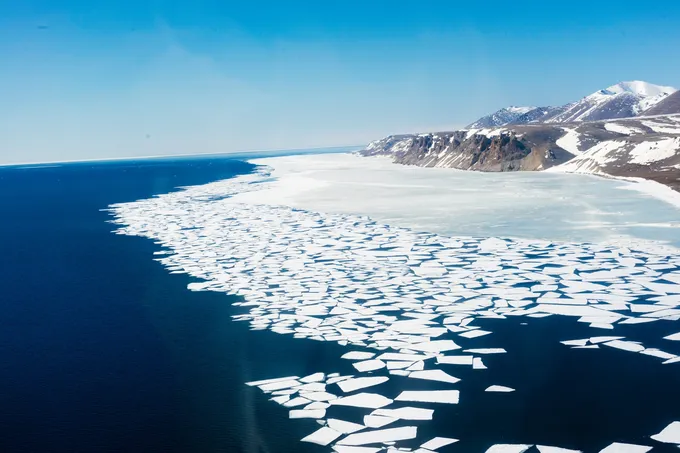
Alaska’s Bering Strait region is a vital wildlife migratory corridor and the only access to the Arctic from the Pacific Ocean. However, as the Arctic warms, the Strait’s narrow waterway creates a perfect storm for conflict between industry, wildlife, and local peoples as industry use grows and the Strait becomes a traffic bottleneck.
WWF is addressing this up-and-coming threat through Arctic Watch, a collaborative initiative working to support safe shipping and safeguard people, wildlife, and the environment by improving and increasing the exchange of real-time and dynamic information.
How does Arctic Watch work?
Anyone operating in the Bering Strait, such as captains of individual research, tourism, and shipping vessels and companies, can voluntarily sign up to share their vessel’s location and other monitoring information to receive 24/7 data from Arctic Watch. The data include a mix of existing rules, voluntary measures, urgent safety alerts, and weather forecasts to help enrolled vessels and individuals safely navigate the Strait. Bering Strait communities can also sign up to access weather alerts.
The initiative’s many partner organizations all play roles in building the program. For WWF, the main priorities are developing wildlife alerts, engaging with communities, sharing opportunities for enrollment with shipping companies, and working with shipping insurers and lenders to encourage uptake of recommendations. Arctic Watch is led by the Marine Exchange of Alaska, which provides the infrastructure and technical capabilities to communicate with vessels and develop tools requested by community delegates and enrolled companies. All these partnerships are critical to scaling up the pieces of Arctic Watch and incorporating on-the-ground contributions to show the full picture of activity in the Strait. If the voluntary measures are accepted by vessels, they could form a basis for future laws that support the interests of local people, the shipping industry, and wildlife.
© WWF-US / Elisabeth Kruger
© WWF-US/Elisabeth Kruger
Wildlife at risk
Species that are most threatened by ships are the current focus for wildlife alerts and safe shipping recommendations. Noise is a major concern. The shallow, narrow Strait bounces sound around easily, creating a loud environment full of wildlife calls, shifting ice, and fast-moving currents. Adding noise from vessels on top of the existing sound can interfere with the ability of wildlife to communicate with each other and recognize threats.
Cetaceans (whales, porpoises, and dolphins), seabirds, seals, walrus, and polar bears (in winter) all navigate through the Bering Strait. WWF is focusing on setting up vessel recommendations to protect species most at risk:
- Cetaceans are our first priority. Bowhead whales in particular use many behaviors that put them at risk to large, fast-moving vessels: They lounge at the top of the water and are slow-moving. If vessels are alerted to cetaceans in the area, they can take actions to slow down and avoid the animals.
- Walrus gather together in “haul-outs” on sea ice near open water. If ships plan to operate near the ice edge and possible walrus haul-outs, Arctic Watch can provide suggestions to establish areas-to-avoid around haul-outs.
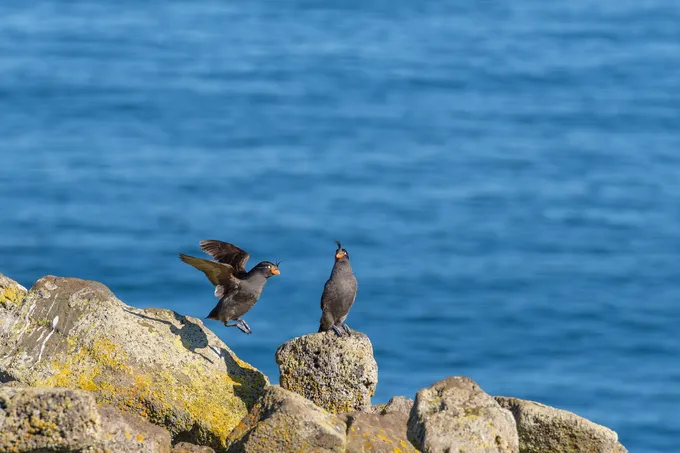
- Seabirds like auklets and murres use the Strait as a major migratory corridor. At night, lights on vessels can interfere with migration and cause birds to veer off course and even crash into vessels. Recommendations of when and where vessels should reduce light use can help protect seabirds.
What’s next?
All these recommendations and rules will be compiled in an “Arctic Waterways User Guide” that covers best practices for operating in the Bering Strait. A committee, currently being planned, will review and update the guide and include representatives from communities in the Bering Strait waterways “neighborhood,” federal and state agencies, researchers, and shipping companies.
In the meantime, the Arctic Watch organizing group is working to bring more voices from the region into leadership positions, increase awareness of available tools with relevant parties, and expand the current pool of enrolled companies and vessels.
In the Arctic, the health of people and wildlife is inextricably linked to each other and the environment. Supporting one helps them all.

© WWF-US/Elisabeth Kruger
How you can help
© WWF-US/Clay Bolt
Support Tribes restore buffalo to the Great Plains
The Indian Buffalo Management Act would strengthen support for Tribal Nations who are working to bring buffalo back from the brink of extinction.