Nine places we love

© PhotocechCZ/Shutterstock
Time is running out to protect all that we love
Think of all the places in the world we hold dear—not just for their beauty, but for all they provide. Many of these places face threats caused by human actions, from tearing down forests to poaching animals and more. We must protect them now. We have a choice. Why would we risk losing the places we love?
Here are nine places we love and can’t afford to lose
They need our love more than ever
The Northern Great Plains
In North America’s Northern Great Plains, extraordinary stretches of rolling grasslands provide millions of acres of habitat for massive bison and tiny songbirds, prairie dogs and black-footed ferrets. One of only four remaining intact temperate grasslands in the world, the region is biologically rich and hugely important to US history and heritage, and to the many Native American communities who live there.

© WWF-US/Sarah Mosquera
Now imagine it's gone.
We’re seeing large-scale plow-up of these grasslands to make room for agriculture. Working with tribal communities, ranchers, governments, and others, we can find ways to conserve this rich and vital landscape.
Love it or lose it.
Take the Pledge for Our Planet and help
protect places like the Northern Great PlainsSymbolically adopt a bison
The Amazon
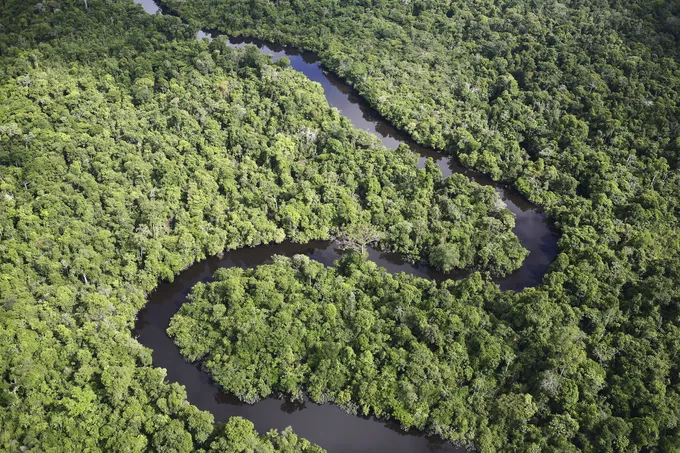
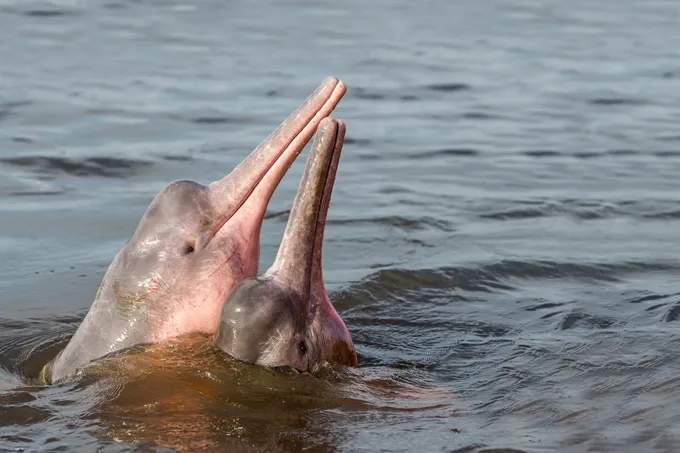
The Amazon is at once mysterious and awe inspiring—millions of species live here, most of them still undescribed by science. A diversity of local and Indigenous communities keep rich cultures, languages, and traditions alive. This vast forest, which holds billions of metric tons of carbon, helps stabilize the local and global climate.
© Brent Stirton / Getty Images
© Shutterstock / COULANGES / WWF-Sweden
Now imagine it's gone.
This wondrous place is also under constant threat due to increasing deforestation, and it needs our urgent intervention to prevent large-scale, irreversible disaster. Together we can engage local communities and partner with governments to identify solutions that bridge the needs of economic development and conservation.
Love it or lose it.
Southern Africa
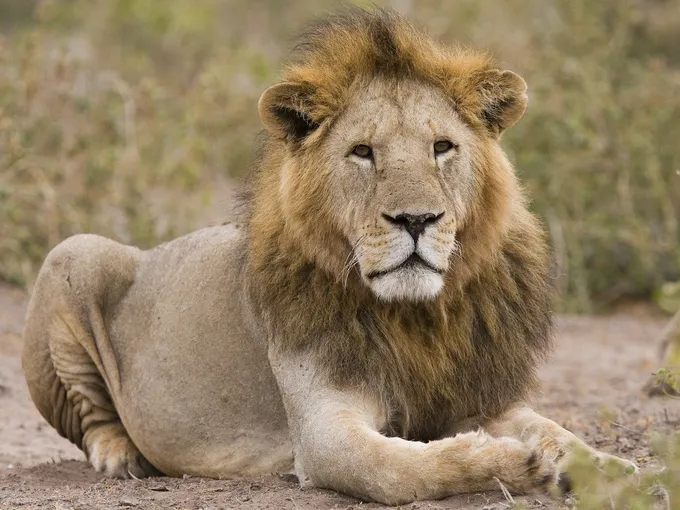
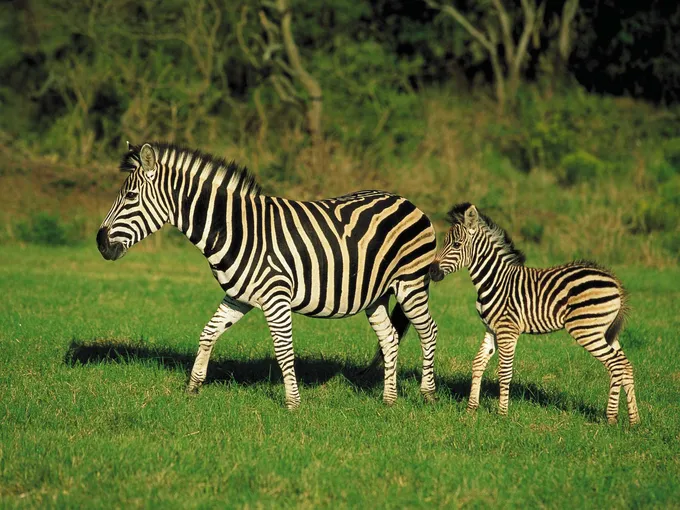
Some of Earth’s most amazing animals roam the savannas and gather at watering holes across Southern Africa. Elephants, lions, rhinos, and wild dogs find refuge in places like KAZA, the world’s largest terrestrial conservation landscape straddling five countries. Home to over 50% of Africa’s elephants, its success is based on its conservation being the economic driver of the region. Here, local people build better livelihoods by safeguarding wildlife and operating a world-class tourism experience.
© Joe Charleson/Nat Hab
© South African Tourism
Now imagine it's gone.
The poaching of elephants for their ivory tusks, and rhinos for their horns, remains an ongoing threat to what should be a haven for both people and wildlife. Together, we can reduce illegal wildlife trade by working with governments and communities, eliminate demand for illegal wildlife parts and products, and begin to build a future where people and wildlife both thrive.
Love it or lose it.
Sign on to stop wildlife crime
The Arctic
From polar bears hunting off ice floes, to caribou migrations hundreds-of-thousands of animals strong, to huge gray whales filter-feeding in the frigid Bering Sea, the top of our spectacular planet is remarkably lively, despite its harsh conditions. The Arctic’s diverse land and seascapes support Indigenous cultures, abundant wildlife and intact ecosystems.
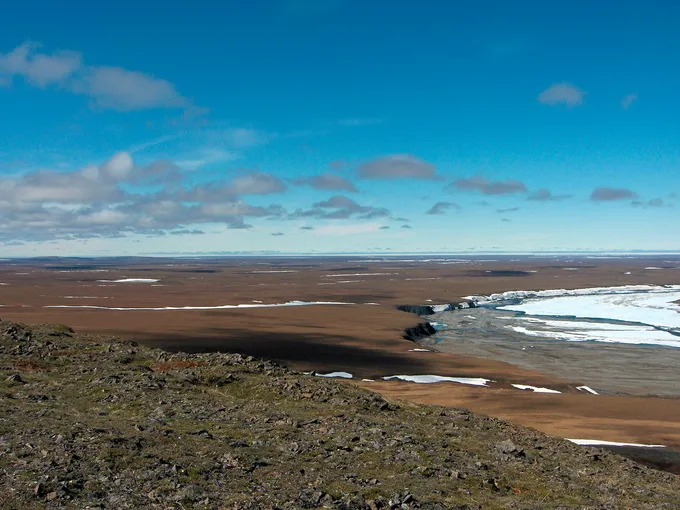
© Monte HUMMEL / WWF-Canada
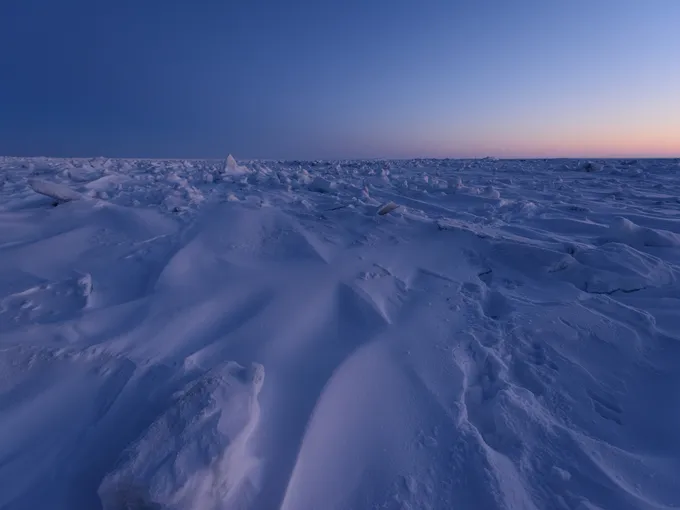
© Elisabeth Kruger / WWF-US
Now imagine it's gone.
The rapid warming of our planet due to climate change is wreaking havoc on this delicate region—destabilizing communities, increasing shipping through previously ice-covered waters, and opening potential for oil and gas extraction.
Love it or lose it.
The Eastern Himalayas
The Eastern Himalayas range from the world’s highest mountain, Everest, to lands far below that are hotspots for charismatic wildlife. As home to the world’s highest density of wild tigers and the last stronghold for greater one-horned rhinos, this place heartens a culture of conservation among its many peoples. For many, the forest is a source of food, water, shelter, and livelihoods, as well as a place to pray.
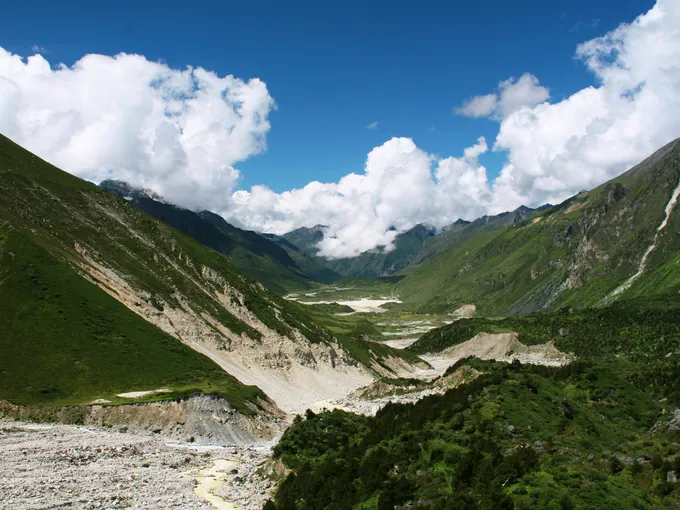
© Tashi Tshering/WWF Bhutan
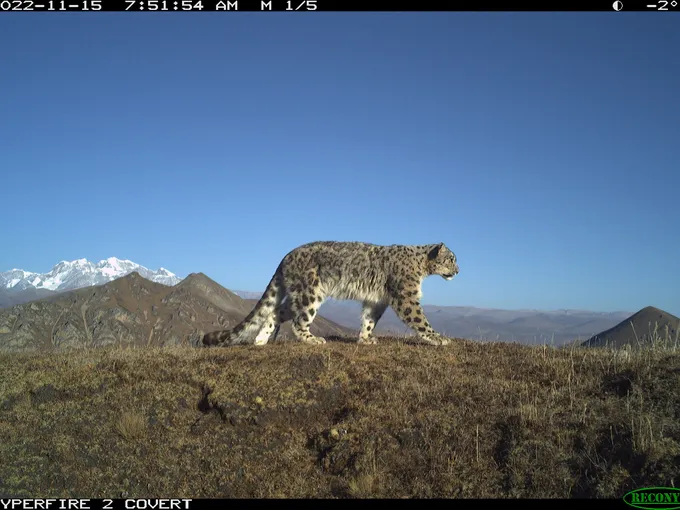
© Department of Forests and Park Services, MoENR Bhutan
Now imagine it's gone.
The wildlife in this region draws poachers who kill tigers and rhinos and sell their parts on the illegal wildlife market. We must help safeguard these animals by working together to stop the illegal wildlife trade.
Love it or lose it.
Sign on to stop wildlife crime
The Sumatran Rain Forest
The emerald hills that roll across parts of the Indonesian island of Sumatra shelter the elephant, the tiger, and the “man of the forest”—the strikingly human-like orangutan. Thirty Hills, a conservation concession there, is one of the last stands of still-intact forest on this island.
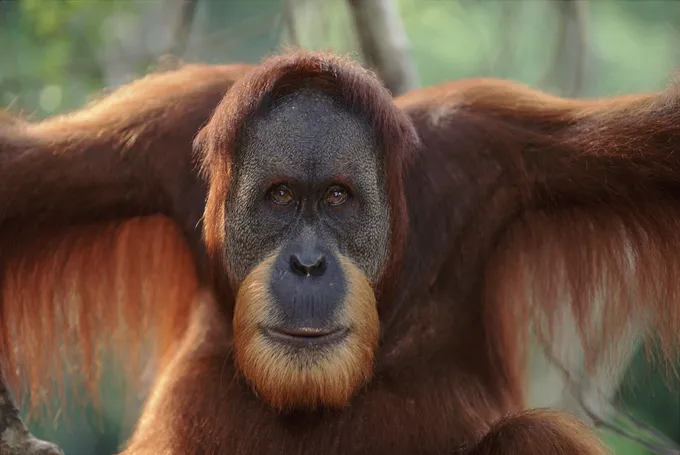
© naturepl.com / Anup Shah / WWF
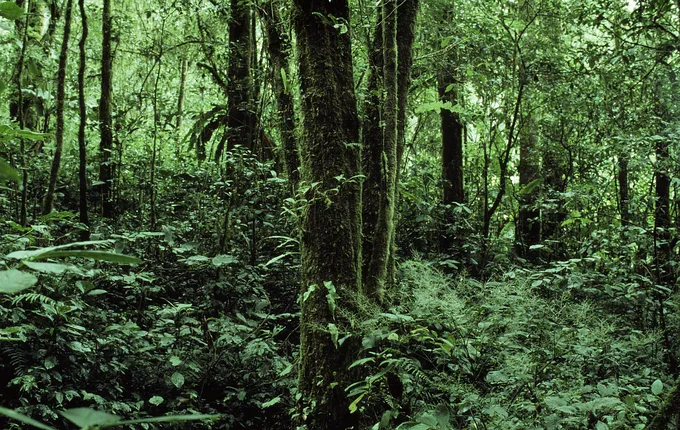
© Mauri Rautkari / WWF-Canon
Now imagine it's gone.
Much of the tropical forest spanning Sumatra has been removed and replaced with palm oil or pulp plantations—a development that also hurts local communities. We envision a future that safeguards forest strongholds like Thirty Hills, and all the life within them.
Love it or lose it.
Protect tigers by switching to forest-friendly products
The Greater Mekong
Unique wildlife, magnificent landscapes, and ancient cultures exist within the Greater Mekong region, which has as its central life force the 3,000-mile-long Mekong River. Full of vast areas of tropical forests, meandering rivers, mangroves and native communities, few places on the planet show such a strong connection between people and nature. It is home to some of the most threatened and iconic species on earth, including the Asian elephant, tiger, and Irrawaddy dolphin. It is a vital source of food and income for over 70 million people.
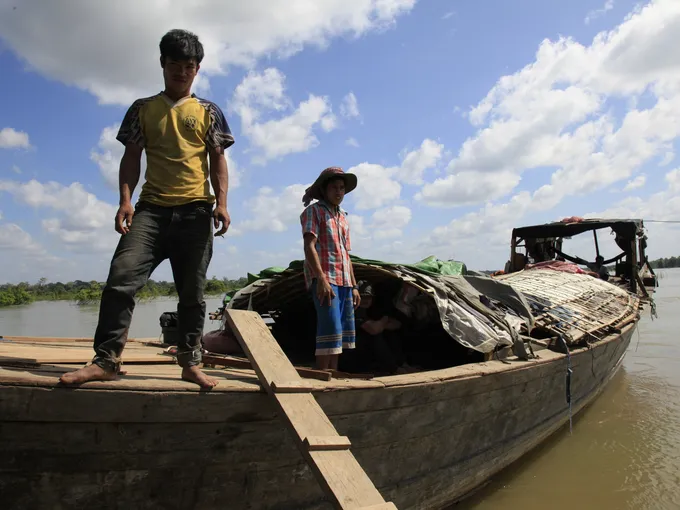
© Adam Oswell / WWF-Greater Mekong
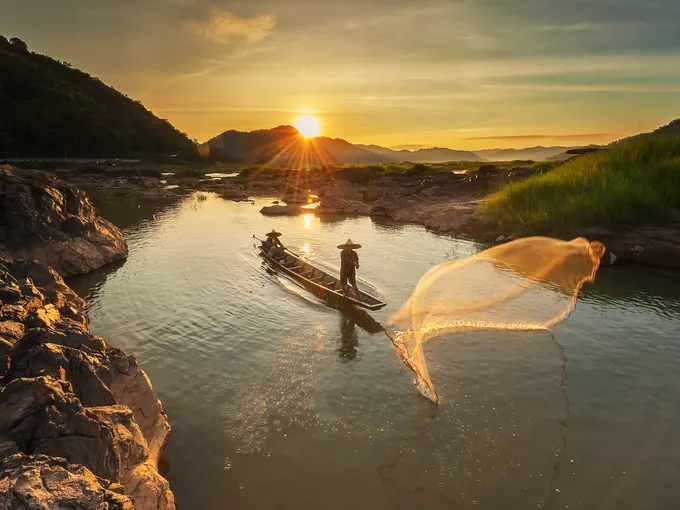
© Shutterstock / Suriya99 / WWF
Now imagine it's gone.
Like many wild, forested areas, the region is seeing massive deforestation and fracturing of free-flowing rivers. Once-remote areas are rapidly being transformed as poorly planned infrastructure intrudes. We can work to protect freshwater and forests by taking action to stop bad dams fragmenting the river and planning good infrastructure in its wild forests.
Love it or lose it.
The Congo Basin
The Congo Basin’s verdant forests and winding rivers provide rich habitat for wildlife such as gorillas, bonobos, and elephants, and have long been sources of food, freshwater, and livelihoods for Indigenous peoples and the millions of other people who live there. And massive protected areas such as Salonga National Park and Dzanga-Sangha help ensure the continued existence of the world’s second-largest tropical rain forest.
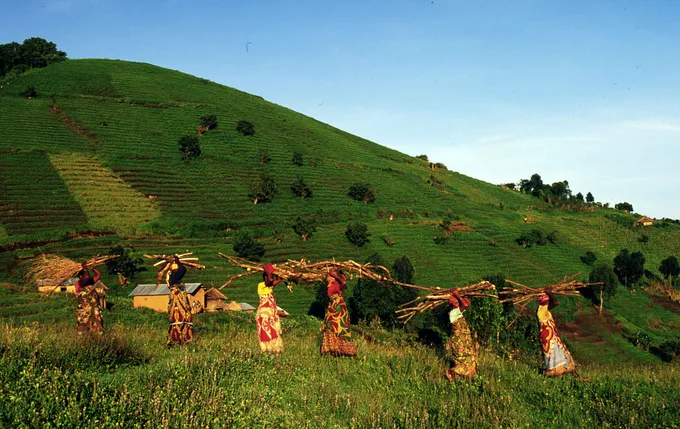
© Martin Harvey / WWF-Canon
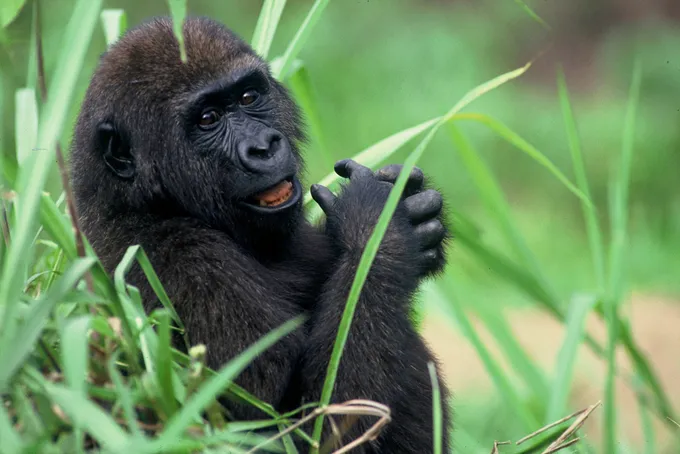
© Michael Gunther / WWF-Canon
Now imagine it's gone.
Rampant poaching and unregulated or illegal extractive activities put the vitality of this region at risk. We must pursue solutions that protect and sustain forests, freshwater, and wildlife, while meeting the needs of the people who call the Congo Basin home.
Love it or lose it.
The Ocean
The ocean covers 71% of Earth’s surface, regulates our climate, produces half the oxygen we breathe, and feeds billions. These waters, at depths both shallow and impossibly deep, harbor invaluable wildlife and sustain the lives of billions of people.
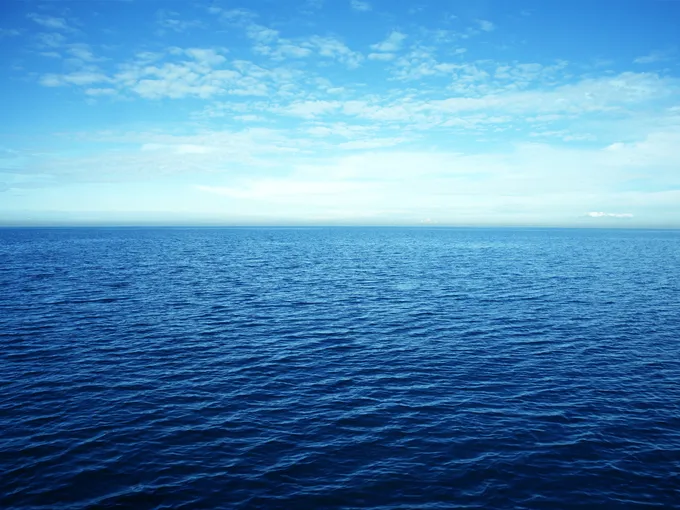
© _
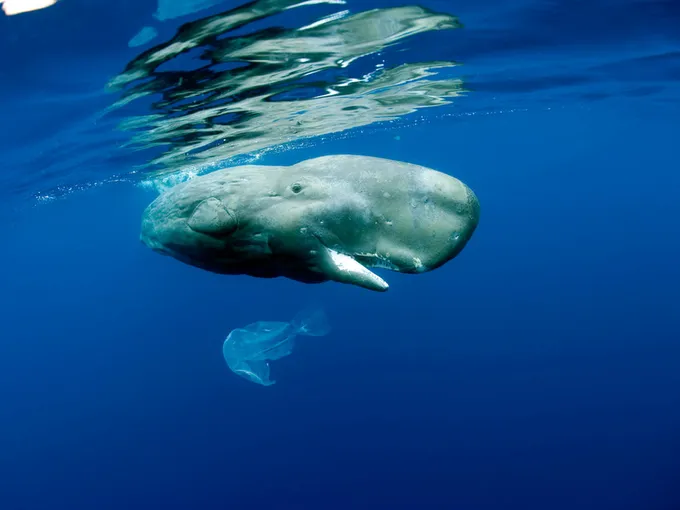
© naturepl.com / Franco Banfi / WWF
Now imagine it's gone.
Threats like overfishing, plastic pollution, and climate change are putting the ocean—and all of us—at risk. We can protect the marine world from coast to coast by protecting the mangroves and coral reefs that make up our coastlines, making better choices in the fish we buy, and telling governments to stop the flow of plastics into the ocean.
Love it or lose it.
Join the fight against plastic pollution
All of us need love to thrive, and nature is no different. Human activities have put the natural world at risk. Now is the time for us to nurture nature—to stop forest loss, protect our oceans and freshwater, and secure a future for people and wildlife.
Nature needs our love. Don’t let it disappear.
It’s our choice. Love it or lose it.