Rethinking neonicotinoid seed treatments
What WWF is learning from the field
In regions where early-season insect pressure is low, farmers should be able to skip pesticide-treated seeds when they determine they aren’t needed.
By

© Morgan Heim / Day's Edge Productions / WWF-US
Every spring, farmers make a series of careful, informed decisions—about planting dates, soil conditions, weather windows, and pest risk. These judgments draw on years of experience, local knowledge, and close observation of the land. Yet when it comes to one critical choice—whether to plant neonicotinoid pesticide-treated seeds—many farmers find their options are limited. For crops like corn, nontreated seeds can be difficult or even impossible to source, even when growers know insect pressure is unlikely to pose a threat to their crops.
Neonicotinoid pesticides (neonics) are widely applied as seed coatings—nearly 100% of non-organic corn in the US and more than 60% of soy. However, that default does not reflect how pests behave across much of the United States. In many regions—especially across the northern half of the country—early-season insect pressure is often low. In those conditions, farmers should be able to choose not to use these pesticide-coated seeds when their own assessments tell them they aren’t needed.
This is the foundation of the “assess and decide” approach that WWF supports: enabling and encouraging farmer choice and aligning pest management with actual risk. When pests are present and likely to cause economic harm, farmers should have access to appropriate options for managing that risk. But when they are not—which research shows is often the case—farmers should have easy access to pesticide-free seeds. Eliminating unnecessary use will benefit not only pollinators, soil, freshwater systems, songbirds, and other wildlife, but also the people who live and work in agricultural landscapes. Additionally, in a time when farmers are facing some of the tightest margins in recent history, they should not be required to pay for unnecessary inputs.

© Shutterstock
What the first year of trials confirmed
To support farmers’ rights to make decisions based on what is happening in their fields and good science, WWF partnered with Brookside Laboratories, a world-class agricultural and environmental testing lab, and the Amplify Network, an association of leading independent crop consultants. Through this partnership, we are conducting side-by-side trials on working farms comparing neonic-treated and untreated corn and soybean seeds. As expected, under these conditions, insect pressure was consistently low. Pests often cited to justify routine seed treatments—including seedcorn maggots, cutworms, slugs, wireworms, and white grubs—were either absent or present at levels unlikely to cause economic damage.
Yield results from year one of our trials validated that the pesticide was not needed. Across both corn and soybean trials, non-treated seeds not only grew as well as the neonic-treated seeds—across all year one trials, but average yields were also higher in untreated plots for both crops. This pattern was consistent with independent studies: in the absence of significant pests, neonics offer no benefit while introducing harmful chemicals into the farming system, which damage the very systems—pollinators, beneficial soil organisms, and freshwater—that farmers rely upon.
Rather than making a universal claim about seed treatments, the trials establish an actionable baseline. They show that under common conditions, routine neonic use unnecessarily exposes working lands to pesticides without delivering consistent agronomic value. This evidence strengthens farmers’ ability to manage risk based on what their fields actually require. This is what the assess-and-decide approach is all about—scout and assess for pest risk and decide whether to use treated seeds based on that assessment.
What farmers are saying
Field trials are only one part of the picture. To better understand how these decisions play out nationwide, we surveyed row-crop farmers and agricultural consultants across the US. The goal was to understand how growers view neonicotinoid seed treatments and where they believe those treatments offer real agronomic, economic, or environmental value.
The response was strong. Nearly 1,600 respondents shared perspectives rooted in firsthand experience. Many reported having experimented with non‑treated seeds and achieving good results. What stood out most was interest. Many farmers said they would like to try non‑treated seed when conditions allow—if availability improves and decisions can be made with the support of trusted agronomic advisors. For example, an Indiana farmer shared, “For our soybeans, it’s been a great decision [to plant untreated seeds]. The cost is lower, and with proper scouting, the efficacy is just as good. It’s been a financial and environmental win for us.”
Together, the survey and trial results tell a consistent story. Farmers are not resistant to change. They are responding to the choices available to them—and to the risks imposed when flexibility is taken away.
“For our soybeans, it’s been a great decision. The cost is lower, and with proper scouting, the efficacy is just as good. It’s been a financial and environmental win for us.”
Indiana Farmer
Growing momentum
Building on momentum from year one, WWF is expanding this work in the 2026 growing season and is on track to lead more than 20 new field trials. These trials will significantly increase the geographic reach and diversity of conditions represented. Additionally, WWF worked with Cornell to develop technical guidance that helps translate these realities into conservation programs—ensuring farmers who make risk-based decisions are supported, not penalized.
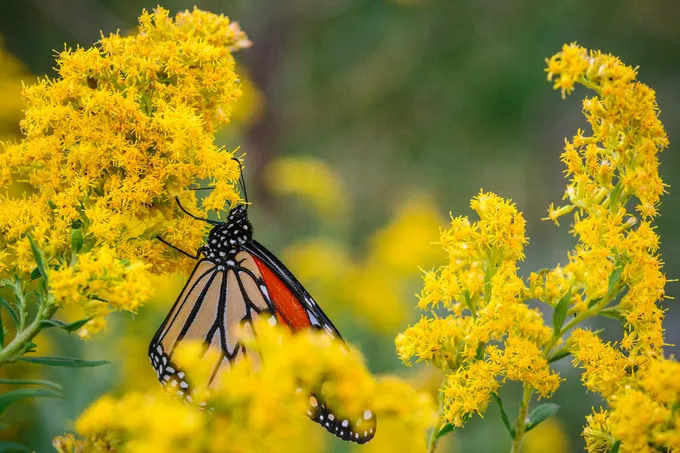
© Morgan Heim / Day's Edge Productions / WWF-US
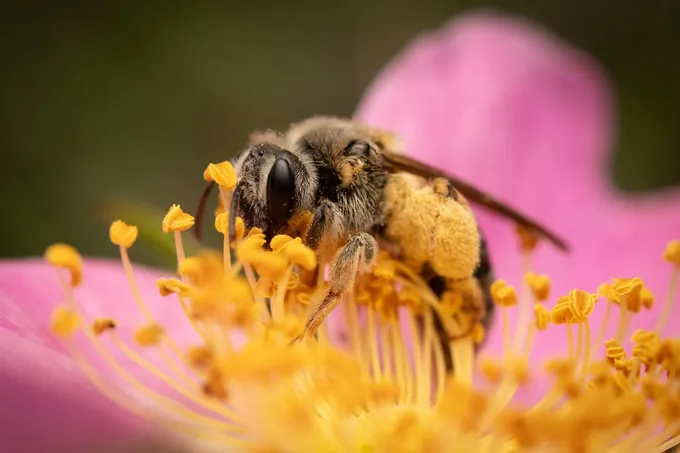
© WWF-US/Clay Bolt
At its core, “assess and decide” is about alignment—between what farmers observe in their fields, the tools available to them, and the outcomes we expect from agriculture. The growing evidence suggests that neonics seed treatments are often applied where they are not needed, resulting in unnecessary impacts to farmland and surrounding ecosystems.
By restoring farmer choice and grounding decisions in observable risk, the work of WWF and a growing list of partners supports healthier soils, cleaner water, and agricultural landscapes where farming and nature can thrive—guided by the expertise of the people who know the land best.