Toward fair and sustainable seas
A practical guide for equitable marine conservation

© Jonathan Caramanus / Green Renaissance / WWF-UK
For generations, coastal communities, Indigenous peoples, and small-scale fishers have cared for the ocean. But too often, past conservation efforts have left them out of the conversation and failed to consider how it would impact local livelihoods.
Imagine suddenly being told that you could no longer use or harvest resources in an area your family has relied on for generations. Even if you agree that some areas need time to recover, you might wonder who made the decision and why you weren’t consulted.
Put simply, social equity in marine conservation means making sure everyone is treated fairly, especially the people who live near and depend on the ocean. Equity is about ensuring conservation doesn’t benefit some while burdening others. It’s about making sure local voices are heard and respected in decisions that affect their lives. More inclusive and equitable conservation increases local support and effectiveness.
It's a simple concept, but in our complex, globalized, and interconnected world, implementing fairness is harder than it seems. While equity is gaining traction in global conservation policy and academic circles, there was no practical, easy-to-use guide for how to assess and improve equity on the ground. Until now.
Creating a practical guide for equitable marine conservation
WWF saw the need to put theory into practice and knew that one organization could not go this alone. This initiative—co-led by WWF Global Oceans Lead Scientist Nathan Bennett—convened a global team of partners including the International Union for Conservation of Nature, the Blue Nature Alliance, Wildlife Conservation Society, and Conservation International. Together, they created a new guidebook that helps marine conservation practitioners and managers reflect on how their work affects people, and how to make it more inclusive and fair.
WWF and partners asked for advice from an advisory group of practitioners and managers, and then tested the guidebook in places like South Africa, Canada, and Palau, working with local managers to refine the tools and ensure they’re grounded in real-world experience. The result is a resource that’s not just theoretical; it’s built to be practical and provide usable insights.
The guidebook is open-source, free to use, and designed to be adaptable so that anyone, anywhere, can start improving equity in their conservation work.
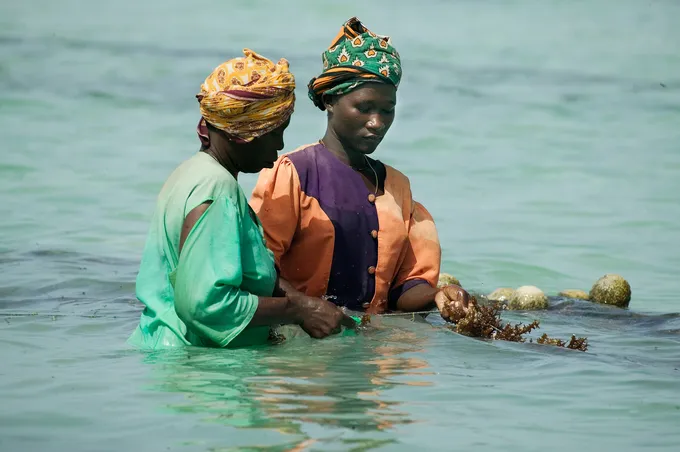
© Roger Hooper / WWF
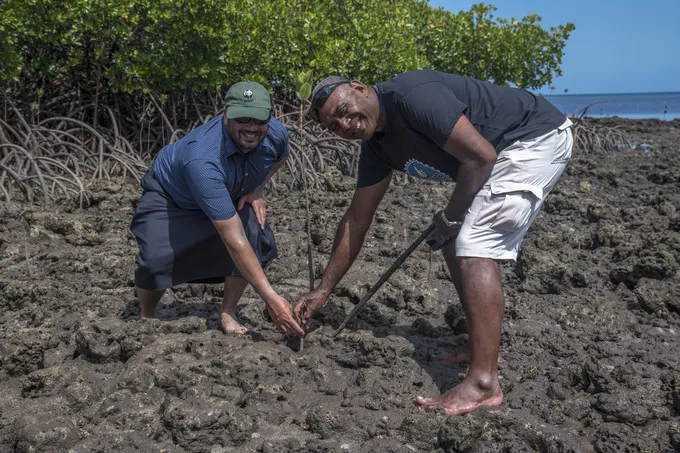
© Tom Vierus / WWF-US
Podcast: How coastal communities are protecting ocean life
Join host Seth Larson and WWF’s Shauna Mahajan as they dive into the challenges and opportunities facing the Western Indian Ocean seascape—from climate change and overfishing to innovative community-led solutions. Shauna shares inspiring stories of how coastal communities in places like Tanzania and Madagascar are using tools like microfinance and co-management to protect marine ecosystems, support sustainable development, and build climate resilience. Learn how the open-source tool Elinor is helping track and improve conservation governance, and why community-led conservation is key to achieving global goals like the 30x30 target.
Adaptability is the key to equitable conservation
At the heart of this guidebook is a simple idea: conservation works better when we work together. When communities are empowered to co-create conservation solutions, the outcomes are stronger, more resilient, and more enduring. Co-creation doesn’t just feel good; it leads to better outcomes for nature and for people, and it helps conservation adapt and improve.
This guidebook is just the beginning. We invite and encourage anyone to download and use the guidebook, to help ensure that marine conservation is inclusive, equitable, and built to last.
Take action
Learn more about the IUCN “Guidebook for Assessing and Improving Social Equity in Marine Conservation”
Learn more about community-led conservation: WWF Coastal Communities Initiative

© Tom Vierus / WWF-US
How you can help
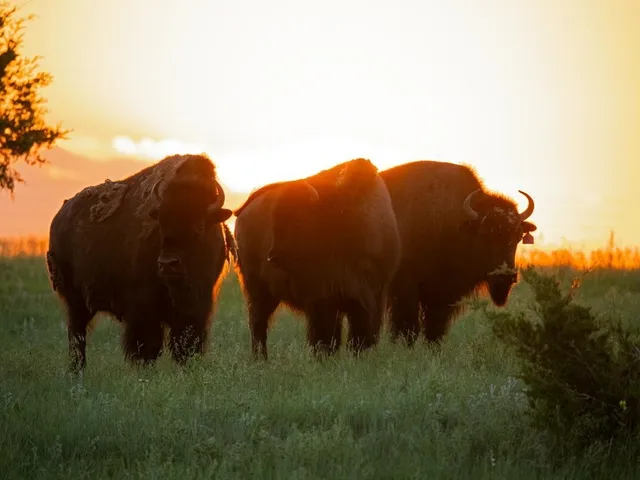
© WWF-US/Clay Bolt
Support Tribes restore buffalo to the Great Plains
The Indian Buffalo Management Act would strengthen support for Tribal Nations who are working to bring buffalo back from the brink of extinction.