Two tigers settle into winter in a new home
The male and female are part of a critical relocation project in Kazakhstan

© Central Asia and Ministry of Ecology of the Republic of Kazakhstan
Two Amur tigers, Bohdana and Kuma, are experiencing their first winter in Kazakhstan. The male-female duo is part of a critical reintroduction project. Last September, these captive tigers were transported from a shelter for big cats in the Netherlands to a semi-wild enclosure in the Ile-Balkhash Nature Reserve, Kazakhstan.
Adjusting to a colder climate
Bohdana and Kuma have been settling into their new enclosure, designed to allow them to explore and interact with their natural surroundings. The two tigers are getting to know each other from a distance. It’s hoped that they will breed, and their cubs could become the first wild tigers born on Kazakhstan soil in 70 years, after historic hunting drove the species to extinction in the region.
With the arrival of winter, the tigers' diets have been adjusted to ensure they have more food to survive in the colder temperatures. Their thick coats, adapted for very cold weather, will keep the Amur tigers warm throughout winter here.
Why tiger reintroductions matter
Wild tigers are now only found in just about 8% of their historic range, and habitat loss and fragmentation continue to be a threat. Returning wild tigers to where they have been lost and rewilding an ecosystem is an important, long-term conservation investment, but by no means a simple task.
This tiger reintroduction project, led by the Kazakhstan government, began in 2018 and could be the first ever international reintroduction of tigers into what was once their historic range.
Community partnerships
Beyond the big cats themselves, community engagement is a key element of the project. The Auyldastar community, who call the surroundings of the Ile-Balkhash Nature Reserve home, has lived without tigers for decades. While a generational gap exists, the cultural significance of tigers remains strong. Though initial community surveys indicated some hesitation to returning an apex predator to the landscape, WWF and project partners have worked over the last six years in close partnership with the Auyldastar people to improve facilities and infrastructure within their community, efforts that will enhance local livelihoods now and when tigers return.

© Living Image / WWF
How you can help
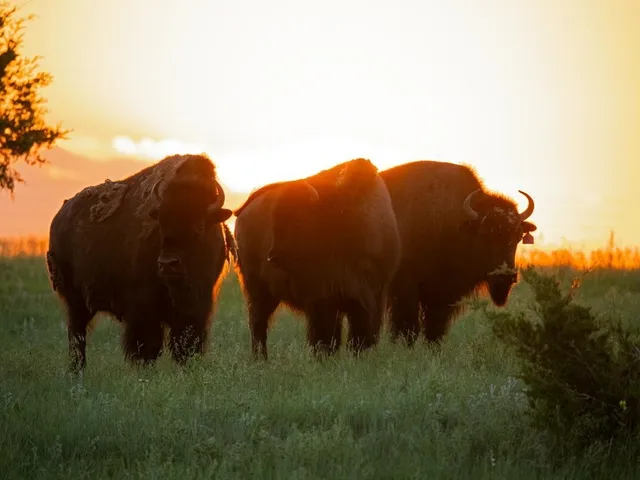
© WWF-US/Clay Bolt
Support Tribes restore buffalo to the Great Plains
The Indian Buffalo Management Act would strengthen support for Tribal Nations who are working to bring buffalo back from the brink of extinction.