Where there’s a willow, there’s a way
How planting trees and installing culvert fencing on a Montana ranch helps people and beavers share grasslands
By
-
Danielle Brigida

© James Bolyard/NWF
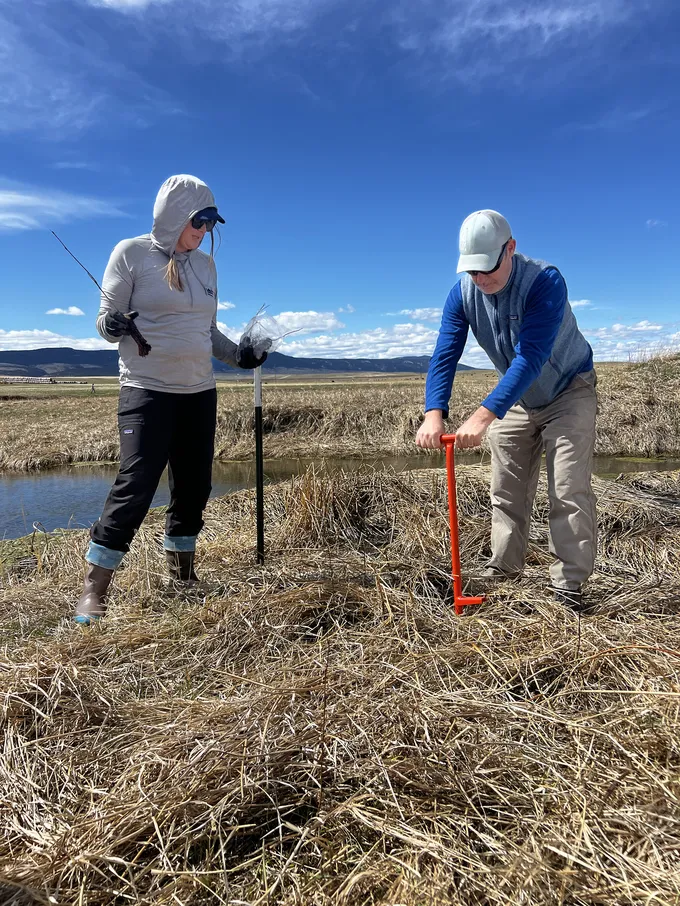
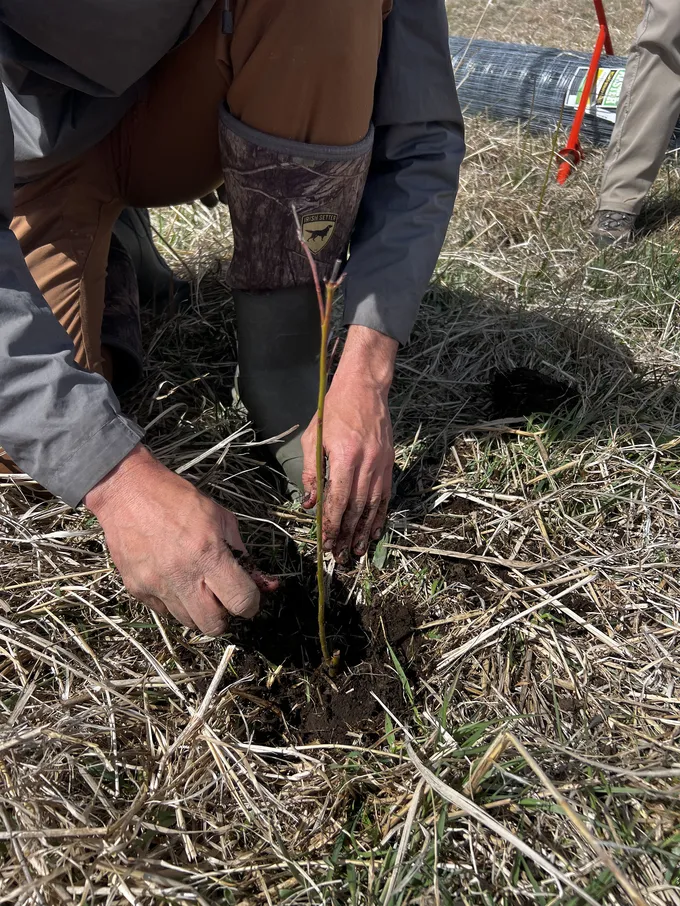
On a cool April morning in the grasslands of central Montana, nearly 30 volunteers gathered with cottonwood and willow tree saplings to plant along a small creek on the Gaulger family’s cattle ranch. The work ahead was muddy, hands-on, and hopeful. The goal: to create a welcoming habitat for beavers.
WWF’s Sustainable Ranching Initiative, National Wildlife Federation, Anabranch Solutions, and volunteers from the Montana Beaver Working Group came together to plant native cottonwoods and willows along the family ranch’s creek. Volunteers also installed a beaver coexistence culvert fence designed to help people and beavers share the landscape.
Keeping the ranch welcoming to beavers
© Don Getty
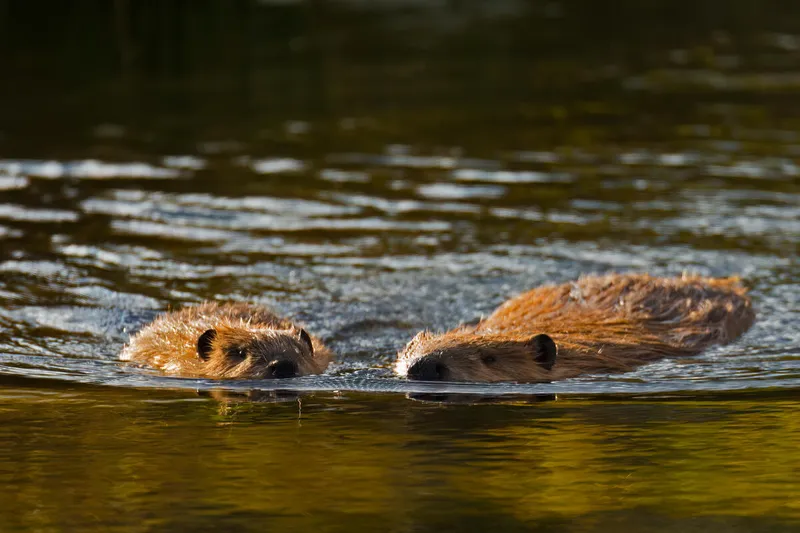
Laurie and Mark Gaugler’s family cattle ranch is a stunning prairie under Montana’s wide-open skies with abundant wildlife populations. Their connection to the land runs generations deep, and their mission has always been powerful and simple: to practice good stewardship of the land and livestock while enhancing it for the future.
In 2021, the Gauglers noticed a family of beavers had moved into a perennial stream that winds through their ranch.
“It was really just luck one day,” Mark said.
The Gauglers were excited about the potential for the beavers to help them restore the creek. Like many prairie streams across the American West, the creek was heavily altered over time through widespread land-use changes and the over-trapping of beavers by settlers, which removed beavers from large parts of their historic range.
When streams are degraded and there are fewer healthy riparian plants and trees, faster-moving water will erode streambanks and soil, making the area less resilient to drought and wildfire and reducing its habitat value for wildlife. More than half of wetlands in the Great Plains have been lost or significantly altered, and in many areas, 50%–70% of remaining wetlands are degraded to some degree.
The presence of beavers can change that. Beavers are known as amazing engineers, enriching the areas where they are found.
© WWF-US/Leah Thayer
© WWF-US/Leah Thayer
We all need community
Stewarding the creek and the beaver family is important to Mark and Laurie’s management philosophy. When they noticed the beavers running out of food and building materials, they reached out to WWF to collaborate on a native planting project. The beavers mostly build their dams in this area out of grass and mud, and the occasional tree branch if they can get their paws on one, but with these fresh willow and cottonwood plantings, they hope to welcome the beavers for years to come. Over time, as the stream heals and the water table rises, native trees will propagate naturally in a virtuous cycle that will continue to spread along the creek.
Planting for the future
Volunteers spent the day planting willow and cottonwood saplings along the streambank. As they grow, the tree roots will help stabilize the soil, and their leaves will provide habitat, shade, and nutrients for wildlife. And for beavers specifically, the trees will provide both food and building material.
As for the coexistence culvert fence installed during the event, it will help address one of the most common challenges between people and beavers: clogged culverts that lead to flooding of roads and other infrastructure like irrigation. The culvert fence will help prevent debris from blocking the drains.
When streams function better, landscapes become more resilient. When water stays on the land longer, communities benefit, including ranches. And sometimes, along with amazing volunteers, one of the best restoration partners turns out to be a 40-pound rodent with orange teeth and a talent for hydrology management.

© WWF-US/Leah Thayer
© WWF-US / Emily Vandenbosch
Ask Congress: Protect America's Grasslands
Tell Congress to secure America’s grasslands for future generations with bipartisan policies that would help keep grasslands intact.