
© Remi Masson / naturepl.com / WWF | Shutterstock/Frank Fichtmueller
Beavers
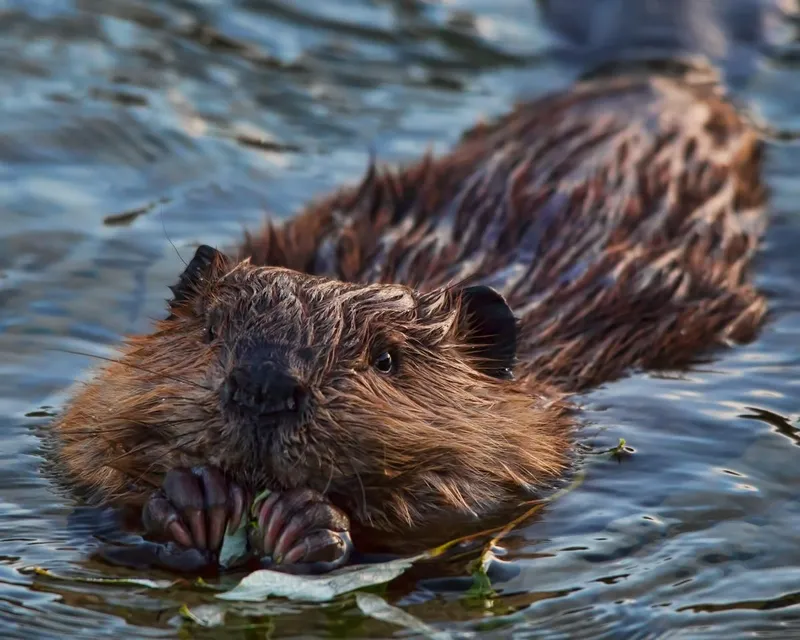
One of the largest rodents in the world, the beaver is a stout and sturdy semiaquatic animal. Today, there are two recognized species of beaver, the Eurasian beaver and the North American beaver. The North American beaver is native to the US, Canada, and northern Mexico, and lives in a variety of freshwater habitats such as rivers and wetlands. They are known for building dams and are considered ecosystem engineers. In the 19th century, the beaver was trapped extensively due to the high demand from Europe for beaver fur for luxury clothing. As a result, their population plummeted from tens of millions of individuals to as few as 100,000 individuals by the early 1900s. Thanks to reintroduction and conservation efforts, recognition of the species' importance, and increasingly common human-beaver coexistence efforts, the beaver population has rebounded, and the species is no longer at risk of extinction.
Beaver facts
- Status Learn more about endangered status categories and explanation
- Least concern
- Population
- 10 million–15 million
- Scientific name
- Castor canadensis
- Weight
- Up to 70 lbs.
- Length
- Up to 4 ft.
- Habitats
- Freshwater ecosystems such as wetlands, streams, rivers, ponds, and lakes.
News and stories
Why beavers matter
© Shutterstock/Ghost Bear
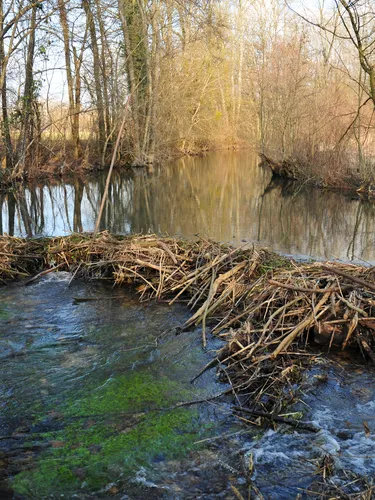
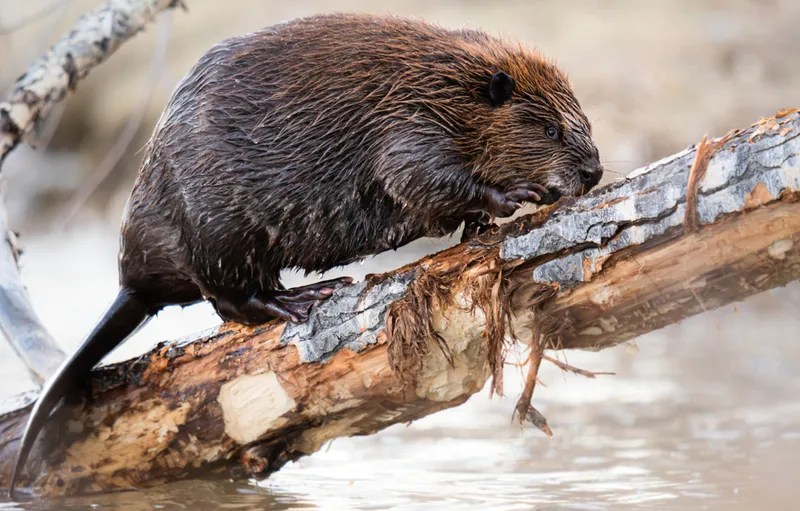
Beavers are recognized as both a ‘keystone species’ and ‘ecosystem engineers’ because of the way they improve their landscapes by building dams.
© Heather Diamond
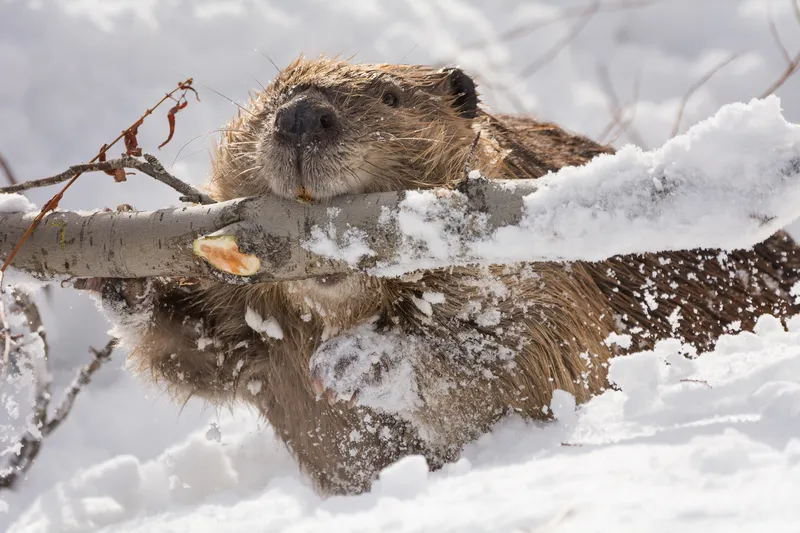
Beavers use their dams for various purposes, including expanding their habitat, storing food for winter, and protecting themselves from predators.
© Germund Sellgren / WWF-Sweden
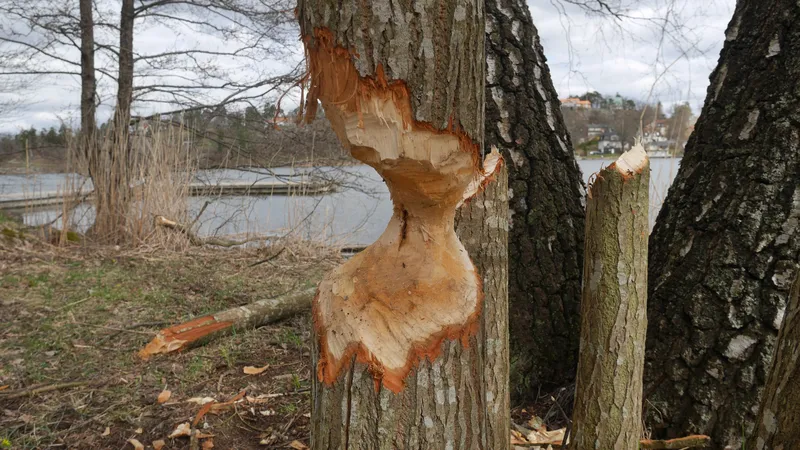
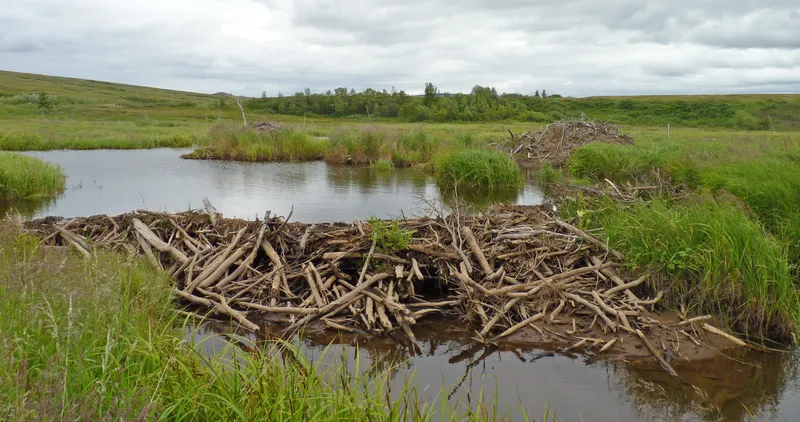
These dams are not just beneficial for beavers, they also help their ecosystem. Beaver dams slow water flow, which prevents erosion and flooding.
© Kristine Sowl/USFWS
The slowed water flow also results in more wetlands, whose nutrient-rich sediment leads to plant growth, more habitat for wildlife, and cleaner water.
© Gary Graham
Beaver wetlands absorb and store over 470,000 tons of carbon per year, helping us combat the effects of climate change.
Threats to beavers

© Joshua Harris / WWF-UK
The most pressing modern threat to beavers is human intolerance and habitat loss. After the North American beaver population plummeted in the early 1900s from trapping, humans diverted water from streams and rivers for irrigation and converted lands that were once wetlands due to the presence of beaver dams into agricultural lands. Now, as the beaver population recovers, and despite the many benefits beavers provide, they are still often lethally trapped by people who consider them a nuisance due to issues with flooding and tree damage. Luckily, nonlethal solutions exist that can often resolve these concerns, such as installing a flow device that controls the water level of beaver ponds to prevent flooding damage while allowing the beavers to remain. People can also protect trees they don’t want cut down by beavers with metal fencing around the tree trunks. When we can successfully share space with beavers, other native species, and our communities benefit from improved water quality, increased biodiversity, protection from disasters, and so much more.
How WWF is taking action to protect beavers

© WWF-US / Zac Shamah
From New Mexico to Montana and beyond, WWF backs initiatives aimed at preserving beaver populations and revitalizing critical freshwater habitats.
Drought-resilient grasslands
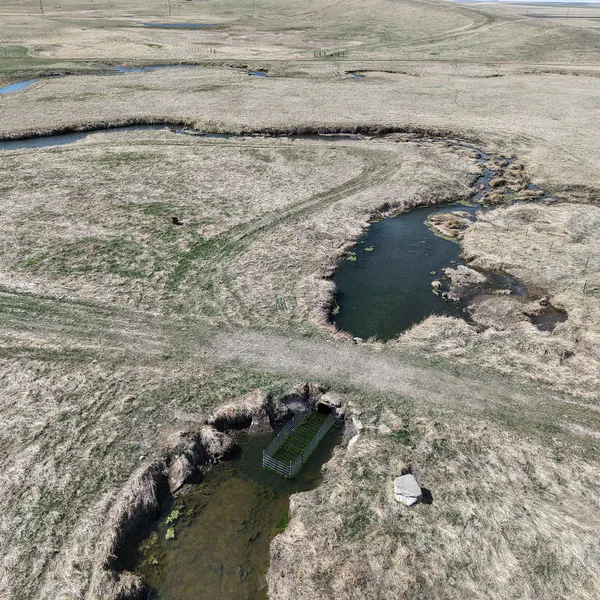
Together with ranchers, local communities and non-profit partners, WWF’s Sustainable Ranching Initiative (SRI) is working toward drought resilience in the Northern Great Plains. WWF is following the beaver’s example to restore degraded wetlands for both the wildlife and the people that call this landscape home.
WWF partners directly with local ranchers to install low-tech structures in degraded streams on working ranches in the Northern Great Plains. Low-tech structures are one of the main tools used in a method called low-tech process-based restoration. Beaver dam analogs are one example of a low-tech structure. They are made of natural materials, like wood, branches, and mud, that are hand-built and installed in streams where beavers are no longer providing their natural ecosystem services that help maintain a healthy, thriving wetland.

© WWF-US/AARON CLAUSEN
Mimicking the ecosystem services beavers once provided to much of the west, these structures can help slow the flow of water to recharge groundwater levels, reconnect floodplains, support healthy riparian habitat, and curb negative erosion effects. All these benefits coupled together can have a landscape-scale impact on grassland ecosystems.
Since 2022, WWF has been dedicated to this effort, implementing these restoration techniques on 17 ranches and impacting an estimated 500+ acres of degraded prairie streams and wetlands in the Northern Great Plains. The SRI team has included low-tech process-based restoration in their 2030 and 2035 strategic plans, showing dedication to this important work that will support healthy streams in the region for many years to come.
The long-term vision for this project is one of healthier streams within the grasslands, where corridors of thriving vegetation and water-soaked soils serve as a refuge against drought and wildfire. Such refuges could provide much-needed stability in an increasingly unpredictable environment for all species of the NGP, including humans, birds, and, of course, beavers.
Conserving the Rio Grande
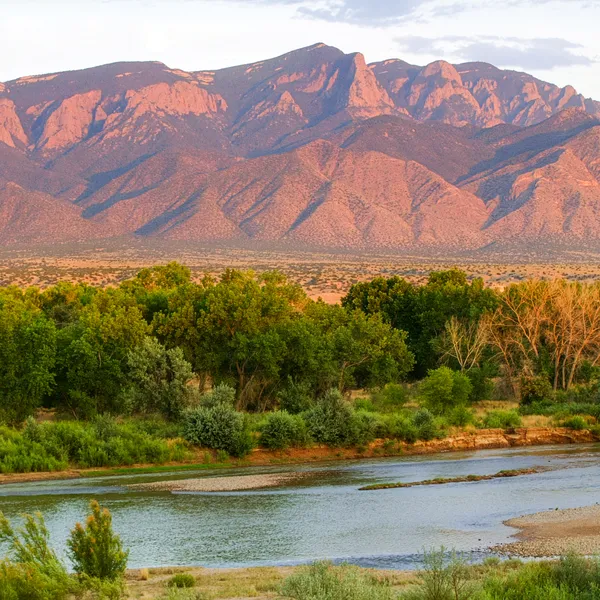
The Rio Grande/Rio Bravo boasts remarkable biodiversity: It surpasses Yellowstone National Park in mammal species, the Sonoran Desert in reptile varieties, and the Florida Everglades in bird diversity. Remarkably, almost half of its fish species are endemic, found nowhere else on Earth. However, this vital American waterway is imperiled.
Partnering with Finish, WWF is working to protect and replenish the Rio Grande’s water supply through innovation and awareness. Inspired by the beaver, an animal native to the Rio Grande, WWF experts have used their dams as a blueprint for creating human-made structures called beaver dam analogs that mimic natural beaver dam benefits.
Experts

How you can help
© George Walsh
Strengthen the Endangered Species Act
More than 99% of the species listed under the Endangered Species Act have avoided extinction due to the law’s protections. Today, those protections are under threat — at the exact moment wildlife needs them most.