WWF announces recipients of the 2024 WWF Russell E. Train Education for Nature fellowships
WWF is proud to announce the recipients of the 2024 WWF Russell E. Train Education for Nature (EFN) fellowships.
Fifty-three fellows from 26 countries across the globe who are furthering vital research and conservation efforts to protect ecosystems, guiding the preservation of endangered species, and collaborating with local communities and Indigenous peoples to enhance the stewardship of their natural heritage will receive funding to further their skills and knowledge.
In the 30th year of EFN, we honor the legacy of providing financial support to strengthen conservation science, education, and leadership globally. Over the past three decades, we have witnessed the transformative impact of collaboration, the strength of the EFN alumni community, the steadfast support from our donor partners, and the profound influence of visionary leaders committed to ensuring local leaders gain the skills and knowledge needed to preserve nature.

We are proud to welcome the 2024 cohort to the EFN global network, marking the most significant number of fellows funded in a grant cycle in the history of the program. This achievement is a tribute to the individuals, organizations, and partners who have shared our vision and worked tirelessly to identify practical solutions to biodiversity challenges at local, national, and regional levels. This year’s fellows focus on a broad range of topics, from assessing alternative protein sources as a contribution to sustainable food systems in Mozambique to studying movement and genetic diversity of Nepal’s rhinos and elephants to examining the influence of riparian communities on the Peruvian Amazon freshwater resources.
As we enter the next era, EFN remains committed to growth, while staying true to its vision and inspired by the power of local leaders and communities with the potential for further developing the EFN network and optimizing our funding to support local science capacity and conservation leadership.
Together, we will continue to champion conservation, inspire new leaders, and make a lasting difference in the world. Here's to the next 30 years of conservation leadership!
A summary of this year’s award winners include:
- 16 outstanding conservation scientists and leaders receiving the prestigious WWF Train Fellowship for Aspiring and Current Faculty to support their doctorates. This competitive fellowship advances the development of a critical mass of outstanding and well-trained experts, natural and social scientists, and practitioners to increase conservation science and leadership.
- 22 emerging researchers and practitioners receiving the WWF Trudy Fellowship for advancing knowledge on food transformations. The fellowship supports master’s and PhD research geared towards cultivating a better understanding of the social, political, cultural, economic, and environmental dimensions of food systems in different countries and contexts.
- 14 emerging scientists and conservation leaders for the inaugural Dr. Gustavo Fonseca Leadership Program. The program aims to provide financial support for the current and next generation of researchers and practitioners in Latin America to pursue graduate-level studies (master’s and PhD) geared towards education and research training that is relevant in the design and implementation of conservation interventions that address conservation challenges.
- 1 emerging conservation researcher receiving the 2024 Conservation Science Capacity and Leadership in Uganda. The fellowship aims to support conservation leaders and scientists in-country to pursue graduate-level studies (master's degree) with a research focus on developing solutions for human-elephant conflict around the northern border of Murchison Falls National Park in Uganda.
2024 Trudy Fellowship
Food is Local: social, cultural, economic, and environmental dimensions of food system transformation at the national level
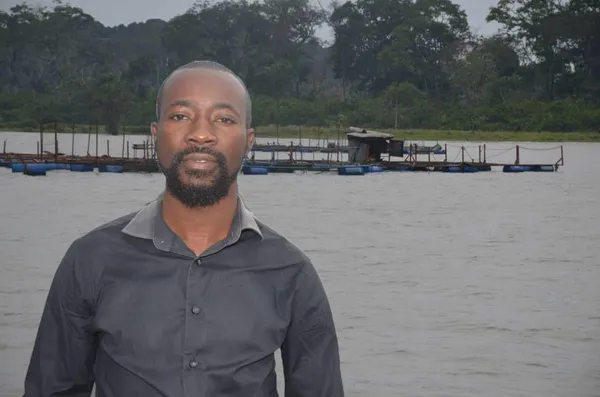
© Nkuba Samuel
Mutagubya Allan
© Nkuba Samuel
- Country: Uganda
- Grant: Trudy Fellowship
- Degree: MS in Zoology, specializing in Entomology and Parasitology
- University: Makerere University, Uganda
- Research: Leveraging Black Soldier Fly rearing to Enhance Protein Supply for Poultry and Aquaculture in Uganda, Kalangala District
- Mutagubya Allan’s research focuses on comparing the use of Black Soldier Fly (BSF) larvae as a cheaper protein source for chicken and fish in relation to protein from conventional feeds that can be quite expensive. His work aims at upscaling productivity in both the poultry and aquaculture industries by lowering production costs related to feeds, particularly proteins that are the most required nutrients for building of organism body structures. By using the BSF larvae, this research strives to reduce the cost of production by cutting expenditure on feeds for chicken and fish.
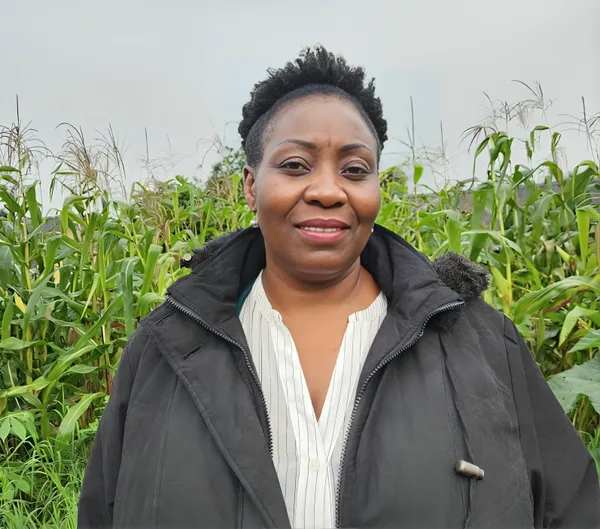
© Azefor Nangah Asah
Azefor Nangah Asah
© Azefor Nangah Asah
- Country: Cameroon
- Grant: Trudy Fellowship
- Degree: MS in Sustainable Development, specializing in Agriculture and Development
- University: Pan African Institute for Development, Cameroon
- Research: Effects of food deserts on the livelihoods of urban and peri-urban populations in the agro-ecological zones of Cameroon
- Azefor Nangah Asah will investigate the impact of food deserts on the livelihoods of urban and peri-urban populations in Cameroon. The population of Cameroon is expected to grow up to 35 million people in less than 10 years at a time when global concerns on climate vulnerability are increasing. Using mixed methods, Azefor will examine the availability of food deserts, defined as areas with limited access to affordable and nutritious food, in select five agro-ecological zones to understand the impact and implications on livelihoods. Her findings will contribute to the creation of awareness and provide a deeper understanding of the effects of food deserts on urban and peri-urban populations across the agro-ecological zones to key stakeholders in the Cameroon food system.

© Phorn Sokmy
Chandet Horm
© Phorn Sokmy
- Country: Cambodia
- Grant: Trudy Fellowship
- Degree: MS in Management of Conservation Areas
- University: Carinthia University of Applied Science, Austria
- Research: Assessing the impact of sustainable fisheries management on food Security and livelihoods of local people in the upper Mekong Region, Cambodia
- Chandet Horm will assess the relationship between sustainable fisheries management and food security to understand how sustainable practices contribute to ensuring enough food for communities and supporting the livelihoods of those relying on fishing. Combining qualitative and quantitative methods, Chandet will investigate how sustainable practices affect the availability and accessibility of fish resources, which are crucial for local consumption and income generation. He will also determine how community-based management approaches and indigenous practices can help identify challenges and solutions for sustainable fisheries. Findings from Chandet’s work will contribute to developing effective strategies that prioritize both food security and the well-being of communities dependent on fisheries resources.
- Additional links: https://www.imrfjournals.com/lsirj102
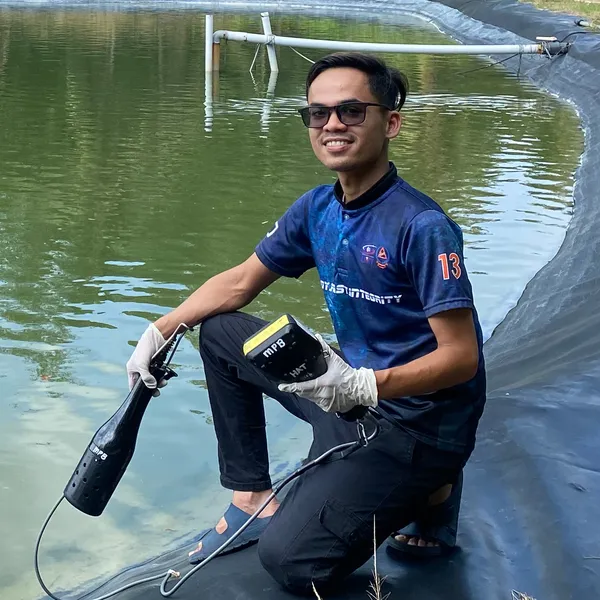
© Sarah Hasanah Johari
Che Azarulzaman Che Johan
© Sarah Hasanah Johari
- Country: Malaysia
- Grant: Trudy Fellowship
- Degree: PhD in Aquaculture, specializing in Fish Health
- University: Universiti Malaysia Terengganu, Malaysia
- Research: Elucidation of recombinant vaccine against the local Viral Nervous Necrosis capsid protein in protecting the Malaysian Grouper
- Massive disease outbreaks and fish deaths in Malaysia are caused by Viral Nervous Necrosis (VNN)-associated viral infections and have been reported in grouper fish. Che Azarulzaman Che Johan will develop and determine the effectiveness of a vaccine from local VNN coat proteins expressed in Escherichia coli fish. He will test vaccine types to see if groupers survive after being challenged with the related virus. The vaccine is expected to increase the growth, survival, and immune system of groupers against the viral disease. Developing a cost-effective and more time-efficient vaccine against the disease for mass production of groupers in Malaysia is essential in sustaining the food fish availability and therefore food security.
- Additional links: https://scholar.google.com/citations?user=YSxmkt0AAAAJ&hl=en
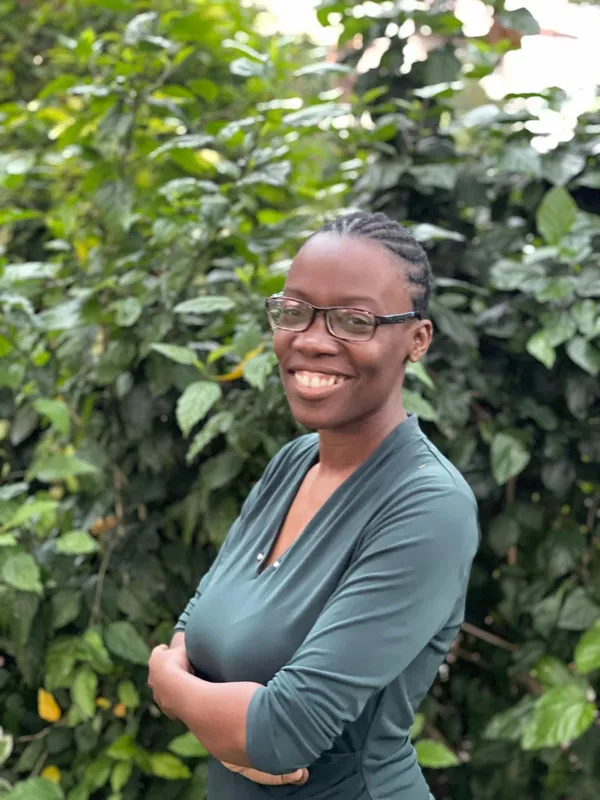
© Cintia Timba
Cíntia Cassimo Timba
© Cintia Timba
- Country: Mozambique
- Grant: Trudy Fellowship
- Degree: MS in Sustainable and Safe Food Production
- University: Technical University of Denmark, Denmark
- Research: Pinna muricata as a Nutrient Source and its Contribution to Sustainable Food Systems in Low-income Regions
- Cíntia Cassimo Timba will be studying Pinna muricata, a species of bivalves belonging to the family Pinnidae. Her research will investigate the nutritional value of this bivalve and assess the risk for human health, as many local communities depend on them for their livelihoods. Despite Pinna muricata’s wide distribution, there is scarce information on its nutritional value. Her work will identify the hurdles in promoting the consumption of this species, such as environmental concerns and cultural preferences, while also exploring the potential benefits an ocean-based diet can provide both for humans and the planet due to its low-carbon footprint.
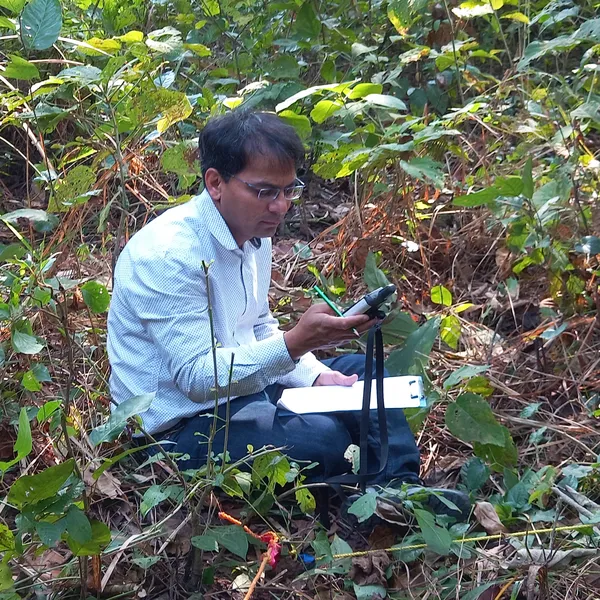
© Sunita Ulak
Dhirendra Pradhan
© Sunita Ulak
- Country: Nepal
- Grant: Trudy Fellowship
- Degree: PhD in Forest Science
- University: Tribhuvan University, Nepal
- Research: Assessing the Effectiveness of Forest Management Practices in Reducing the Impact of Invasive Plant Species on Food Security and Forest Ecosystems in Central Region of Nepal
- Dhirendra Pradhan’s research aims to understand how various forest management practices impact the abundance, distribution, and diversity of invasive plant species in forests and agricultural land adjacent to forested areas. Invasive plant species have detrimental effects on forests, agricultural productivity, and overall ecosystem services. They reduce forage yields and quality, interfere with the grazing of endangered wildlife such as rhinos, elephants, and other herbivores, ultimately affecting the food security of vulnerable communities and endangered wildlife. Dhirendra’s research will utilize ecological surveys, species distribution models, and community surveys to achieve its objectives. The findings will assist field practitioners and policymakers in forming evidence-based policies and initiating appropriate management interventions.
- Additional links: https://scholar.google.com/citations?user=A4vmsVsAAAAJ&hl=en
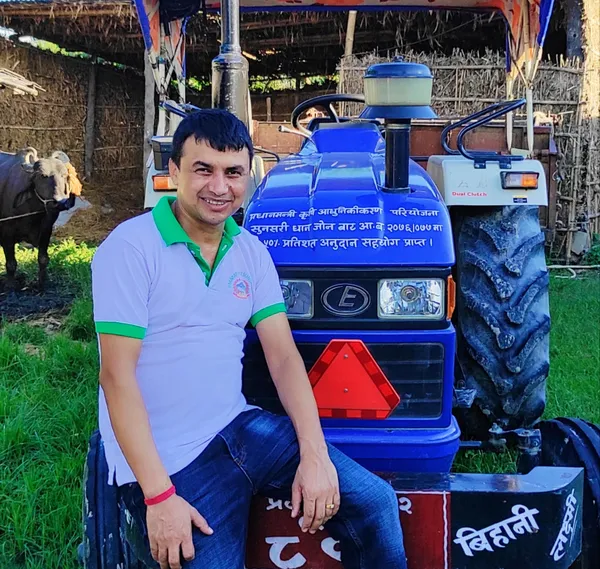
© Gopal Gautam
Dipendra Pokharel
© Gopal Gautam
- Country: Nepal
- Grant: Trudy Fellowship
- Degree: PhD in Agricultural Sciences
- University: Massey University, New Zealand
- Research: Assessing the impact of mechanization on sustainable intensification cropland expansion in Terai Arc Landscape (TAL) of Nepal
- The government of Nepal has been implementing a range of agriculture mechanization programs since 2008 for sustainable food system transformation. Despite these programs, adoption of machinery and quality inputs has been limited to only a few farmers’ groups and cooperatives concentrated in accessible areas of the country. Improved access for the multitude of smallholder farmers in Nepal to quality inputs and integrated mechanization for new business opportunities has been neglected. Dipendra Pokharel’s research aims to fill the knowledge gap and document the current practices, strategies, and ambitions of farmers and policymakers regarding agri-mechanization for agricultural transformation to explore sustainable farming futures in the TAL region of Nepal.
- Additional links: https://scholar.google.com/citations?user=6ZkloqkAAAAJ&hl=en
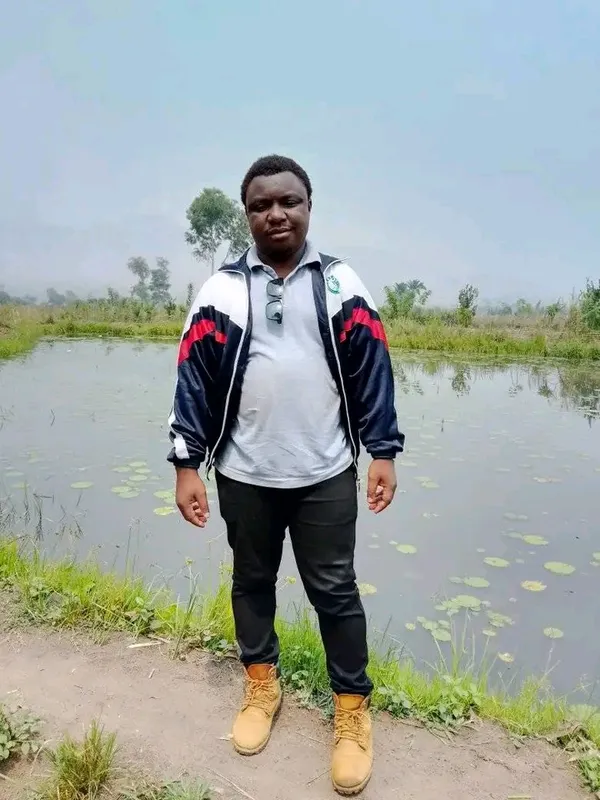
© Julien Wilondja
Éric Mbiso Mukobya
© Julien Wilondja
- Country: Democratic Republic of the Congo
- Grant: Trudy Fellowship
- Degree: MS in Sustainable Aquaculture Production and Integrated Agriculture-Aquaculture Systems
- University: Lilongwe University of Agriculture and Natural Resources, Malawi
- Research: Use of Black Soldier Fly Larvae from Kitchen and Agricultural Wastes as Animal Proteins in Tilapia Diets: Economic and Environmental Benefits on Sustainable Fish Production in an Aquaculture Production System
- Dietary approaches and improvement in aquaculture systems are vital to make aquaculture practices more sustainable. Insect-based proteins have been seen as an alternative source of proteins in fish feed in replacing fishmeal, which is the basis of phosphorus and nitrogen pollution of water sources. Éric Mbiso Mukobya’s research will investigate developing a Black Soldier Fly (BSF) larvae-based diet for Tilapia that produces less pollution. The results of this study will provide clear information on the economic benefits and environmental sustainability of the use of BSF larvae meal in Tilapia diets and on waste recycling in aquaculture production systems.
- Additional links: https://www.researchgate.net/profile/Eric-Mukobya?ev=hdr_xprf&_sg
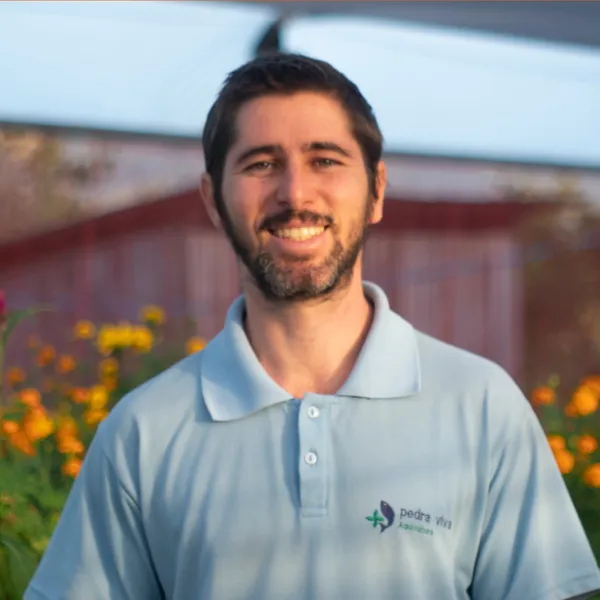
© Carolina Tramontina
Guilherme Lenz
© Carolina Tramontina
- Country: Brazil
- Grant: Trudy Fellowship
- Degree: PhD in Agroecosystems
- University: Universidade Federal de Santa Catarina, Brazil
- Research: Valorization of waste and its transformation into bio-inputs for agricultural production and soil regeneration
- Guilherme Lenz’s research aims to bring more sustainability to food systems. The idea is to generate value in the waste of a food production chain by collecting animal feces and the waste from food processing (fileting of fish and vegetable remains). This waste will then be transformed into a liquid fertilizer using biodigestion technology. This fertilizer will be tested in agricultural production in order to evaluate its ability to increase plant productivity and disease resistance. The biofertilizer will also be evaluated for the effects on soil quality (physical, chemical, and biological parameters). This sustainable use of waste from the aquaculture industry has the potential to replace chemical fertilizers and consequently reduce dependence on them.
- Additional links: https://www.researchgate.net/profile/Guilherme-Lenz

© Primme Pixels
Irene Mudiovo Induli
© Primme Pixels
- Country: Kenya
- Grant: Trudy Fellowship
- Degree: PhD in Agriculture, specializing in Nutrition Sensitive Food Systems
- University: Justus Liebig University, Germany
- Research: Improving household diets and incomes through smallholder farming and market access: a case of vegetable value chains in Kenya
- Shifting food systems and diets in Kenya are driving malnutrition issues, climate change, land degradation, and biodiversity loss. Using qualitative and quantitative participatory methods in Kilome, Makueni County, Irene Mudiovo Induli will examine small-scale farmers’ production and commercialization patterns of organic vegetables and develop models which can work to increase production, commercialization, and consumption of leafy vegetables. Her findings will provide an alternative to the current dominant food system model; while improving diets and livelihoods for small-scale rural farmers in Kenya.
- Additional links: https://alliancebioversityciat.org/who-we-are/irene-mudiovo-induli
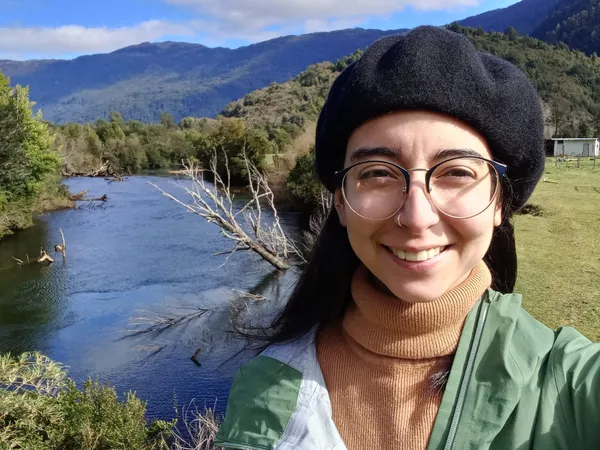
© Photosintesis Consultores
Isidora Lea-Plaza
© Photosintesis Consultores
- Country: Chile
- Grant: Trudy Fellowship
- Degree: MS in Forest Resources and Conservation
- University: University of Florida, USA
- Research: Adaptive Responses to Climate Change in Central Chile's Farming Communities (Comunidades de Campo): Evaluating Water Access, Drought Resilience, and Agricultural Adaptation
- Central Chile is a global biodiversity hotspot and a conservation priority. It is also a highly environmentally threatened area, being the most populated area in the country, subjected to more than a decade of drought aggravated by the hoarding of water rights protected by the Chilean constitution, and stressed by the interventions of agroindustry and mining. In this context, the global climate crisis is deepened by these local conditions. Isidora Lea-Plaza’s research will explore and compare the adaptive strategies employed by farming communities in the Aconcagua Valley (Valparaiso Region), Maipo Valley (Metropolitan Region), and Cachapoal Valley (O’Higgins Region) in response to climate change impacts, with a specific focus on water access and coping mechanisms during prolonged drought, and to evaluate the challenges faced by these communities in maintaining agricultural practices in this context while identifying opportunities to enhance resilience and implement effective climate change adaptation measures.
- Additional links: https://www.researchgate.net/profile/Isidora-Lea-Plaza
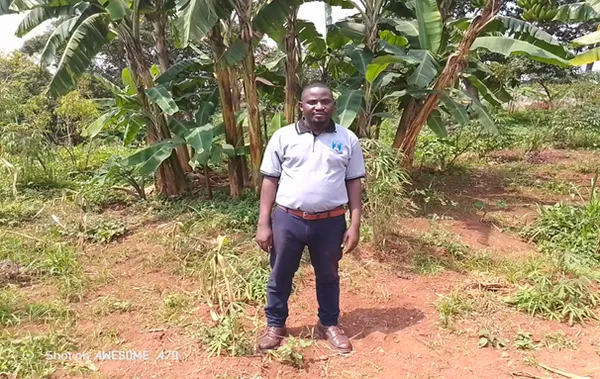
© Nambooze Olive Shammer
Julius Mabiriizi
© Nambooze Olive Shammer
- Country: Uganda
- Grant: Trudy Fellowship
- Degree: PhD in Agriculture Research
- University: Uganda Martyrs University, Uganda
- Research: Nature-Based Solutions as Sustainable Approaches for Tackling Geo-Hydrological Risks and Disasters from Natural Hazards: A Case of Mt. Rwenzori Agro-ecological Zone, Uganda
- Julius Mabiriizi’s research involves taking inventory of nature-based solutions and farming systems that are practiced within Rwenzori’s agro-ecological zone in Uganda. Using combined methods, Julius will evaluate the impact and impact of factors such as surface run-off regulation, flood control, landslides and slope stability improvement, soil nutrient content, water infiltration and holding capacity on food, and income security. The findings will inform farmers' choice of nature-based solutions and finally a criteria for applying nature-based solutions in multi-hazard prone areas will be developed.
- Additional links: https://ir.busitema.ac.ug/handle/20.500.12283/2273
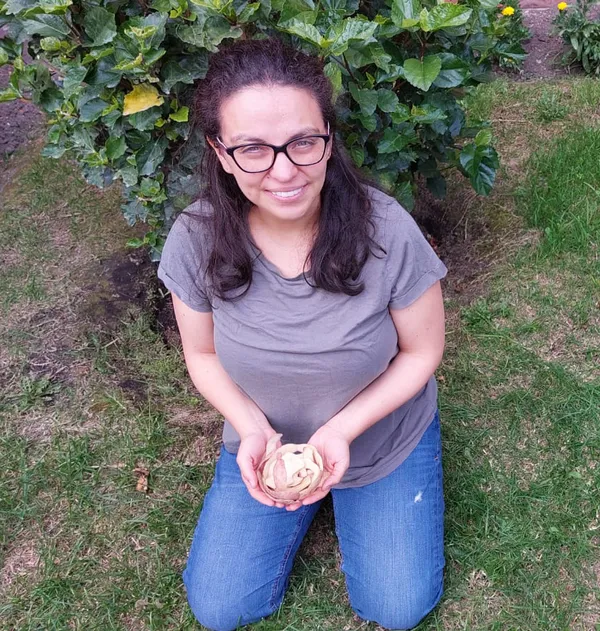
© Paulo Alejandro Chaparro Martinez
Lina Maria Gómez Cortés
© Paulo Alejandro Chaparro Martinez
- Country: Colombia
- Grant: Trudy Fellowship
- Degree: PhD in Agricultural Sciences
- University: Dalhousie University, Canada
- Research: Developing tools for assessment and mitigation of food loss and waste in North and South America
- Lina Maria Gómez Cortés’ research aims to develop comparative models to understand the dynamics of food loss and waste in the food chain of Colombia and Canada. Using combined research design and techniques, Lina’s work will identify the challenges and opportunities for mitigating food loss and waste and develop decision support models in the case study countries. Her findings provide tools and strategies for grassroot networks and policy frameworks to help increase food sustainability and reduce greenhouse gas emissions.
- Additional links: https://www.researchgate.net/profile/Lina-Gomez-Cortes/research
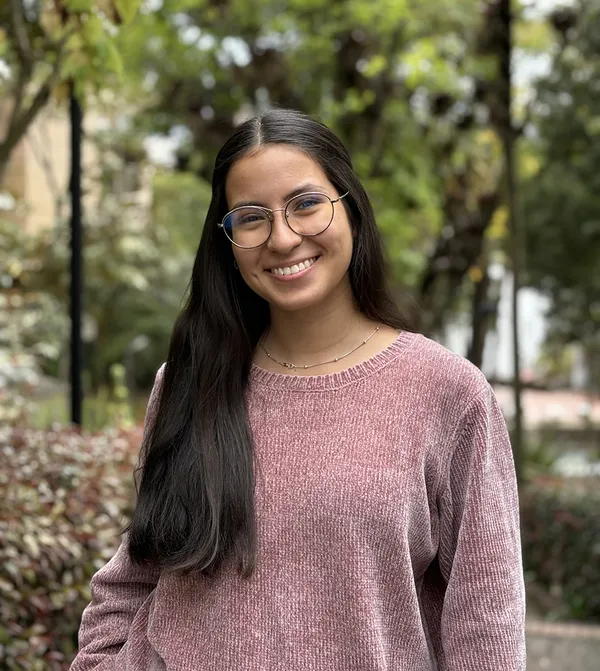
© Natalia Kasalinsk
Mariana Mendoza Beltrán
© Natalia Kasalinsk
- Country: Colombia
- Grant: Trudy Fellowship
- Degree: MS in Biological Sciences
- University: Universidad de los Andes, Colombia
- Research: Recovering the health of Amazonian soils in Colombia: Evaluation of the effectiveness of a biofertilizer on the growth of Sacha Inchi (lukenetia volubilis) seedlings and the soil microbial community in the producing areas of Caquetá
- In the region of Caquetá, livestock and agriculture have exerted pressure on the Amazon’s soil. To promote soil recovery, farmers have implemented the use of biofertilizers. However, there is limited research to support the benefits of biofertilizers as a sustainable agricultural strategy. Mariana Mendoza Beltrán’s research will investigate the role of biofertilizers with a focus on the production of Sacha Inchi, a non-timber species that is a bio-economic alternative for the local communities in Caquetá that can contribute to mitigating deforestation, increase carbon capture, and strengthen biodiversity in agroforestry systems of the Amazon. She will characterize the microorganisms of the biofertilizer, evaluate its impact on the growth of seedlings in degraded soils, and analyze changes in microbial diversity and soil characteristics. Mariana’s findings will advance knowledge on how biofertilizers affect the growth of Sacha Inchi and how they can be key to the sustainable recovery of soils in the Amazon which in turn contribute to food security through provision of nutritious foods.
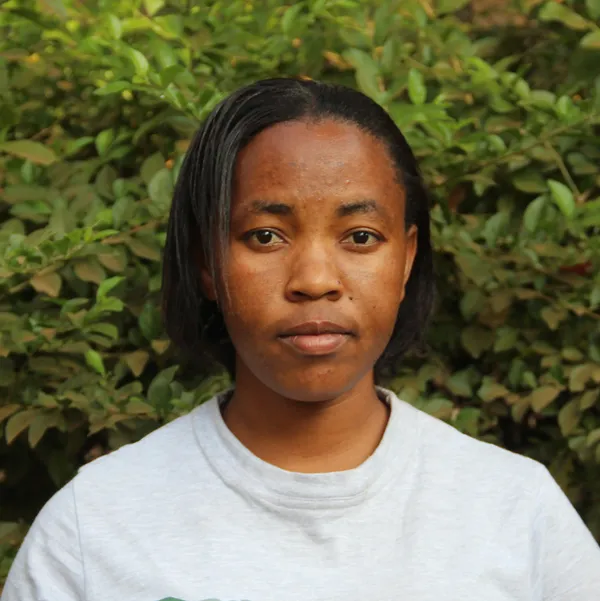
© Samson Epoliti
Natosim Sailevu
© Samson Epoliti
- Country: Tanzania
- Grant: Trudy Fellowship
- Degree: MS in Sustainable Agriculture, specializing in Molecular Plant Pathology
- University: Nelson Mandela African Institution of Science and Technology, Tanzania
- Research: Development of pheroid-based curcuma longa and lippia javanica formulations for common bean anthracnose management
- Pesticidal plants (botanicals) play a key role in maintaining life on Earth and supporting pollinators and soil microbes that are essential for plants and human health. However, the low efficacy of botanical pesticides combined with inadequate technologies in the processing and application remain a challenge. Natosim Sailevu’s research will use pheroid technology, a patented, innovative technology to test and analyze selected pesticidal plants in Tanzania to understand their feasibility and efficacy and ecological sustainability. Her findings will improve the efficiency in the processing and application of botanical pesticides which will help enhance food security, health and wellbeing, whilst improving adaptation to climate change.
© Steven Grace Tusiime
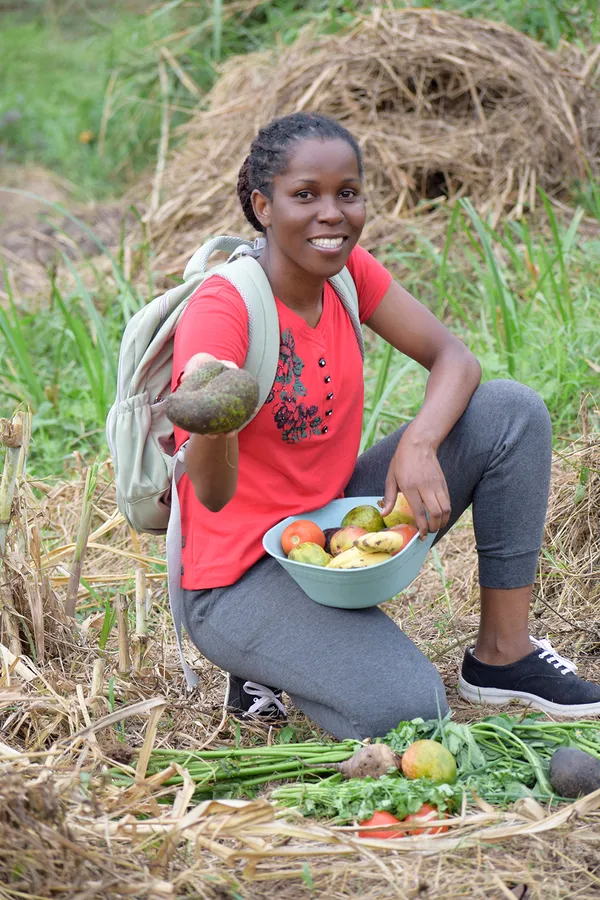
Norah Babirye
© Steven Grace Tusiime
- Country: Uganda
- Grant: Trudy Fellowship
- Degree: PhD in Indigenous Food Systems
- University: De Montfort University, UK
- Research: Optimizing Indigenous Food Consumption among Adults for Improved Metabolic Health in Uganda
- Despite Uganda's rich variety of nutritious indigenous vegetables and fruits, a significant portion of the population consumes less than the World Health Organization's recommendation of 400g/day (5 servings). Norah Babirye’s research aims to examine the key elements of the food environment that influence consumption and co-create recipes with communities incorporating these indigenous foods. Through a randomized controlled trial, she will determine the impact of indigenous vegetables and fruits on the cardiometabolic health of adults in Wakiso District, Uganda. Her work will provide insights into the potential health benefits of diverse, sustainable food choices and contribute to the broader conservation of indigenous foods.
- Additional links: https://www.researchgate.net/profile/Norah-Babirye
© Paulina Naupu
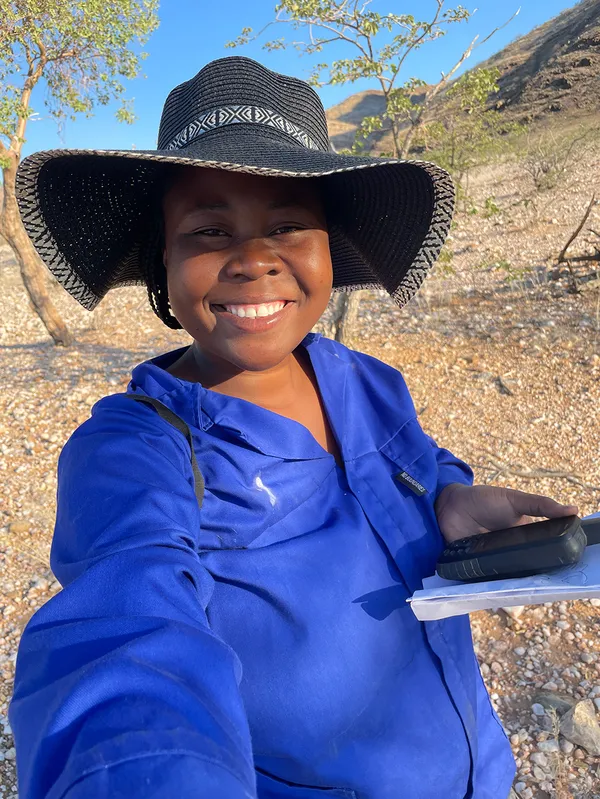
Paulina Ndinelago Naupu
© Paulina Naupu
- Country: Namibia
- Grant: Trudy Fellowship
- Degree: PhD in Natural Resource Sciences
- University: Namibia University of Science and Technology, Namibia
- Research: Appraisal of Namibian drought-tolerant indigenous plant species for restoration at landscape level
- Paulina Ndinelago Naupu’s research focuses on identifying drought-tolerant plants suitable for restoring degraded drylands in the northern regions of Namibia. These regions currently face increasing drought risks, impacting food production and land sustainability. Using multiple datasets, Paulina will examine the functional traits of selected drought-tolerant species to determine their potential to adapt to harsh climates (low rainfall, high temperatures, and poor soil). Her findings have the potential to revive degraded areas, mitigate plant deaths and increase restoration success, ultimately contributing new insights into plant resilience amidst severe drought events.

© Luca Vaime
Rafid Shidqi
© Luca Vaime
- Country: Indonesia
- Grant: Trudy Fellowship
- Degree: PhD in Marine Science and Conservation
- University: Duke University, USA
- Research: Diversifying Diets: Exploring Healthy Alternative Fish Proteins to Achieve Shark Conservation
- Indonesia is the largest shark fishing nation, exporting around 100,000 tons of elasmobranchs (a subclass of cartilaginous fish that includes sharks, rays, skates, and sawfish) annually, contributing to the decline of many shark species. Conservation efforts and policies, influenced by international organizations, have focused on spatial measures like shark sanctuaries, resulting in a decline in shark mortality. However, the impact on communities, especially those reliant on elasmobranchs for food, remains inadequately understood. Rafid Shidqi’s research aims to fill this gap, focusing on Eastern Indonesia, which is traditionally overlooked in conservation discussions. He will explore how communities respond to policies, implications for local food systems, and the viability of alternative diets. Rafid’s work will provide insights for socially informed policies in elasmobranch conservation, which integrate alternative ocean-based diets thus improving local food systems.
- Additional links: https://www.researchgate.net/profile/Rafid-Shidqi-2

© Univ. of Delaware
Seleni Cruz
© Univ. of Delaware
- Country: Belize
- Grant: Trudy Fellowship
- Degree: PhD in Environmental Economics
- University: University of Delaware, USA
- Research: El Niño and fishery diversification: Evidence from small-scale fishing communities in Mexico
- Changes in climate patterns, such as those associated with El Niño Southern Oscillation (ENSO), can affect the distribution and abundance of fish species. Understanding how small-scale fisheries communities adapt by shifting their target species is critical to resilience of food systems during climatic events. Using datasets from fishery production, household income, and an ENSO index, Seleni Cruz will assess how different communities respond to El Niño events and its impact on fishery outcomes (landings and revenue), and household income in small-scale fishing communities in Mexico. Seleni’s work will contribute to sustainable fisheries management, climate change adaptation, livelihood diversification support, and policy recommendations.
- Additional links: https://sjcruz.github.io/
© Lilly Zeitler
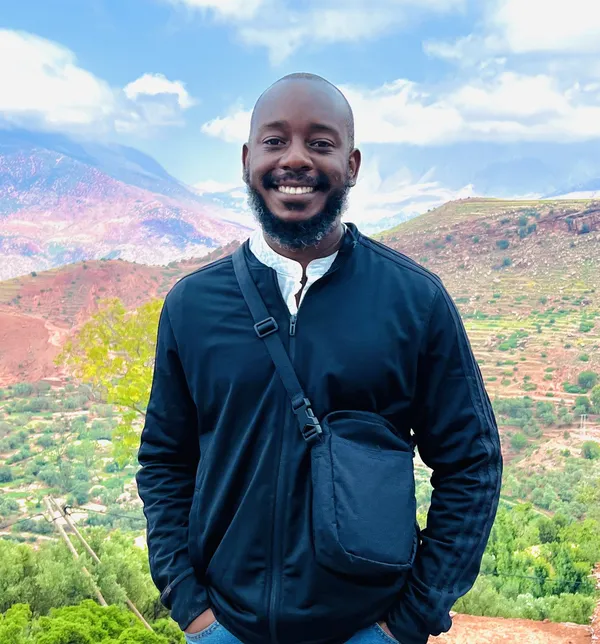
Tiza Ignatius Mfuni
© Lilly Zeitler
- Country: Zambia
- Grant: Trudy Fellowship
- Degree: PhD in Geography and African Studies
- University: Pennsylvania State University, USA
- Research: The social-ecological trade-offs of wild meat and livestock production in Central Africa
- Tiza Ignatius Mfuni’s research aims to understand the ability of different social-ecological systems to sustainably produce animal-source foods, with a focus on wild meat and livestock. Combining interdisciplinary mixed methods and collaborative knowledge production, Tiza will work with 12 communities in Cameroon’s Adamawa and Eastern Regions to examine the social-ecological factors affecting the production, flow, and access to animal-source foods and the associated trade-offs for people and landscapes. His work will provide crucial insights for transitioning Cameroon's food systems toward greater equity and sustainability by suggesting a food systems transition framework and policy recommendations for inclusive food governance processes.
- Additional links: https://www.researchgate.net/profile/Tiza-Mfuni

© Gustavo Ruwer
Ylana Rodrigues
© Gustavo Ruwer
- Country: Brazil
- Grant: Trudy Fellowship
- Degree: PhD in Public Health and Environment
- University: National School of Public Health, Oswaldo Cruz Foundation - Fiocruz of the Ministry of Health, Brazil
- Research: Health Situation, Bem Viver, and Food Sovereignty of Indigenous Peoples in the Alto Xingu in the Face of Climate Change
- Although Indigenous peoples only represent about 5% of the global population, 80% of the biodiversity remaining in ecosystems around the world are managed by them. Their traditional knowledge is essential for healthy and sustainable food systems and for conserving the planet. Yet they are also among the most vulnerable to climate change. For this and other reasons, we need to protect them. Ylana Rodrigues will work with Indigenous peoples in Alto Xingu Indigenous Territory, Brazil to learn how climate change affects their health, food security, and Bem Viver (well-being). Using group dialogues, maps, and conversations with leaders, Ylana’s work will contribute to a better understanding of (1) climate vulnerability and adaptive capacity related to subsistence strategies, (2) food access, availability and consumption, (3) adaptation opportunities rooted in traditional knowledge, and (4) the local history of Indigenous peoples and their perspectives for the future around food systems.
- Additional links: https://www.linkedin.com/in/ylana-rodrigues-a228b5174/
2024 Train Fellowship
Enhancing Capacity for Current and Aspiring University Faculty
© Sagar Ji
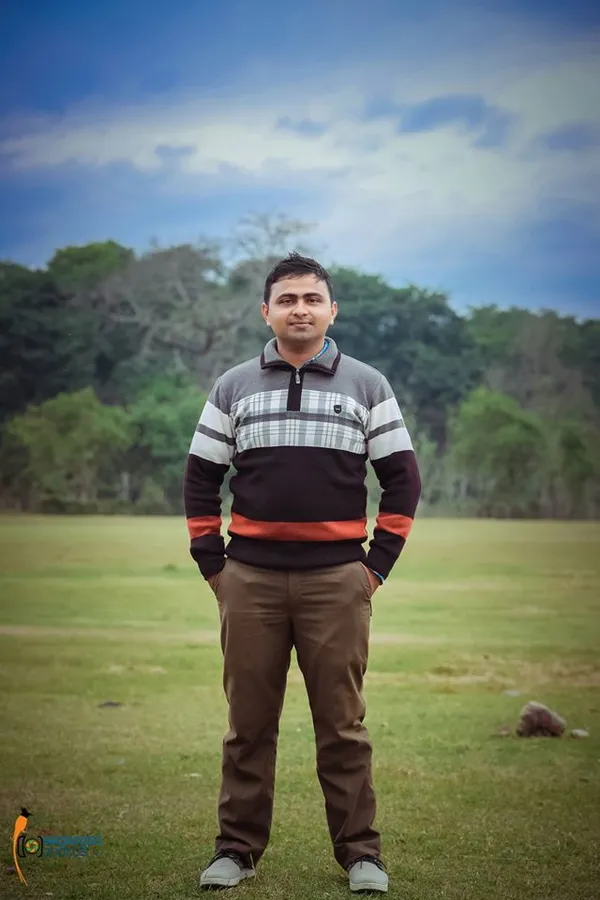
Abhinaya Pathak
© Sagar Ji
- Country: Nepal
- Grant: Russell E. Train Fellowship
- Degree: PhD in Ecology, Behaviour and Evolution of Megaherbivores (Elephant and Rhino)
- University: University of California, USA
- Research: Studying mega-herbivore (Elephants and Rhinos) and its imperative facets in Nepal
- Despite extensive research on Nepal’s rhinos and elephants, gaps remain in understanding the movement and genetic diversity within the populations of these species. Abhinaya Pathak’s research focuses on the movement dynamics in human-dominated landscapes and genetic variation in endangered mega-herbivores—specifically, the Greater One-horned Rhinoceros and the Asian Elephant in Nepal. Using satellite telemetry, Abhinaya will assess the migratory and seasonal movement of elephants across Nepal and rhinos within Chitwan National Park. He will also collect dung samples from both wild and captive megaherbivores to assess their genetic diversity. These findings will provide crucial information to implement effective conservation strategies, mitigate human-wildlife conflicts, and improve habitat management. Ultimately, Abhinaya’s work aims to shift attitudes positively and promote coexistence, which is integral to building community support for wildlife conservation and strengthening community-based conservation efforts.
- Additional links: https://www.researchgate.net/profile/Abhinaya-Pathak

© Adib Mustofa
Adib Mustofa
© Adib Mustofa
- Country: Indonesia
- Grant: Russell E. Train Fellowship
- Degree: PhD in Marine and Environmental Biology
- University: University of Southern California, USA
- Research: Cracking the genetic diversity of corals through population genomics to assist reef conservation and restoration efforts in the heart of the Coral Triangle
- Indonesia is home to 76% of the world's coral species, but information on coral genetic diversity in this region of the world is still limited. Adib Mustofa aims to conduct a first-time comprehensive population genomics study of corals across the Indonesian archipelago, spanning from the most western to the eastern part of Indonesia. He will also investigate the community structure of the symbiotic algae associated with the coral host, which can be a proxy for the thermal resistance of corals to the changing climate. Adib’s work will be crucial for designing relevant spatial conservation strategies for coral reef ecosystems nationwide.
- Additional links: https://www.researchgate.net/profile/Adib-Mustofa-2
© Sophia Liswaniso
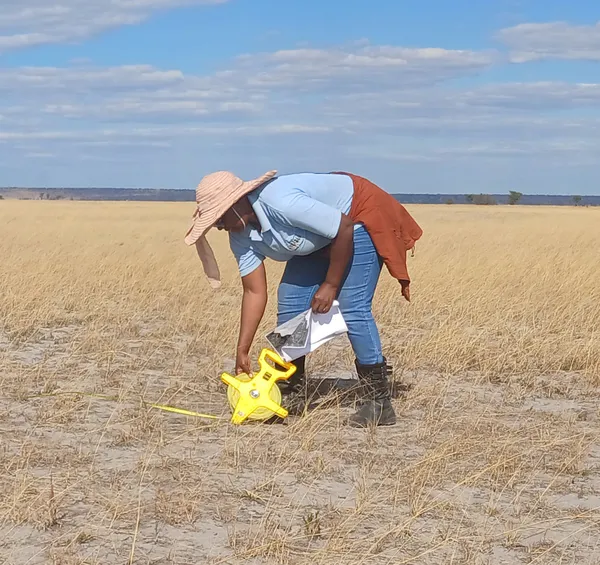
Clarence Ntesa (Mazambani)
© Sophia Liswaniso
- Country: Namibia
- Grant: Russell E. Train Fellowship
- Degree: PhD in Natural Resource Sciences
- University: Namibia University of Science and Technology, Namibia
- Research: Socio-ecological modeling of nature-based tourism in the Zambezi landscape of Namibia
- The scale of the Nature-based Tourism (NBT) industry and the rate at which it continues to grow presents both opportunities and threats for biodiversity conservation and livelihoods of local communities. Clarence Ntesa’s research will use an innovative methodological framework to model and analyze the effects of tourism, specifically photographic tourism and safari hunting, on biodiversity and the livelihoods of the communities living within the Salambala Conservancy. She will also determine the interactions between NBT, local livelihoods, and biodiversity conservation. Clarence’s work will provide an alternative framework for investigation and monitoring impacts of NBT to enhance the benefit to biodiversity and community well-being.
- Additional links: https://fhnras.nust.na/ms-clarence-ntesa
© Rikki Gumbs
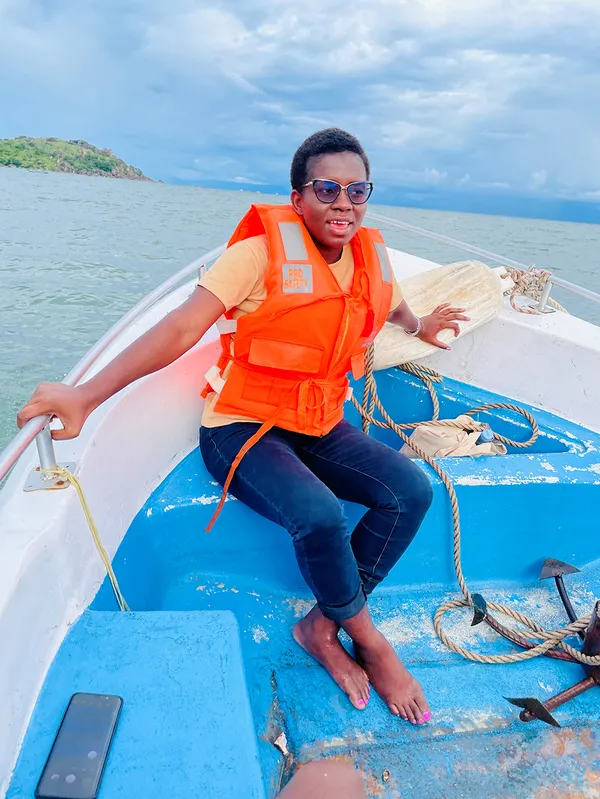
Farida Mayowela
© Rikki Gumbs
- Country: Tanzania
- Grant: Russell E. Train Fellowship
- Degree: PhD in Wildlife Management and Conservation, specializing in Fisheries Ecology
- University: Sokoine University of Agriculture, Tanzania
- Research: Population ecology of the critically endangered Bagrus meridionalis and key priority areas for conservation in Lake Nyasa, Tanzania
- Lake Nyasa in southern Tanzania is home to the critically endangered fish species, Bagrus meridionalis. This species is a major source of food and income for surrounding fishing communities. Despite the importance of Bagrus meridionalis, there is limited knowledge on their population structure, ecological habitats, and distribution. Farida Mayowela will investigate the breeding areas of Bagrus meridionalis and determine threats to these sites along with determining the population structure and distribution of the species at selected fish landings areas on the Tanzania side of Lake Nyasa. Farida’s work will contribute to the development of a conservation action of Bagrus meridionalis in Lake Nyasa.
- Additional links: https://www.researchgate.net/profile/Farida-Mayowela
© Froilan Tanguila Lapez
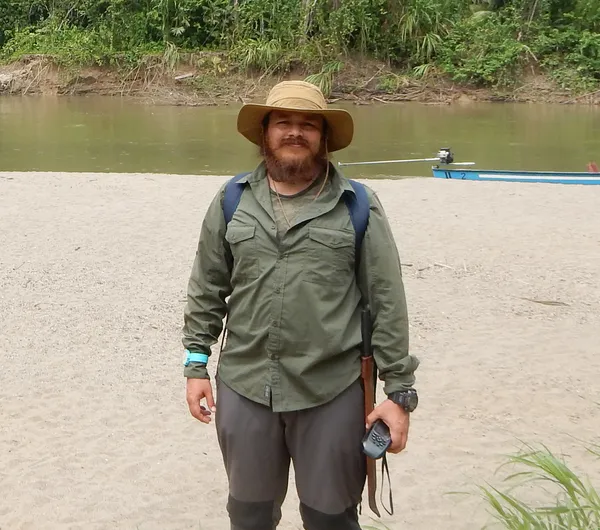
Fidel Ernesto Rodríguez Galarza
© Froilan Tanguila Lapez
- Country: Ecuador
- Grant: Russell E. Train Fellowship
- Degree: PhD in Natural Resources Management and Sustainable Management
- University: University of Cordoba, Spain
- Research: Effect of fragmentation of the Amazonian tropical forest of the sub-Andean Zone on communities of large and medium mammals
- The Ecuadorian Amazon forest, essential for the health of the biosphere, offers known ecosystem services, such as the production of oxygen and rich biodiversity. Despite these benefits, there is limited research on the influence of mammal communities in these ecosystems. Fidel Ernesto Rodríguez Galarza’s work will examine the variables that affect the change in land use in the canton Arajuno and the relationship between the size of the patches and the diversity of mammals. He will also assess the impact of selective logging on trees and its connection with mammals. Fidel’s research will inform the health and sustainable management of these ecosystems through integration of resource management knowledge from the Kichwa indigenous communities.
- Additional links: https://www.researchgate.net/profile/Fidel-Rodriguez-Galarza
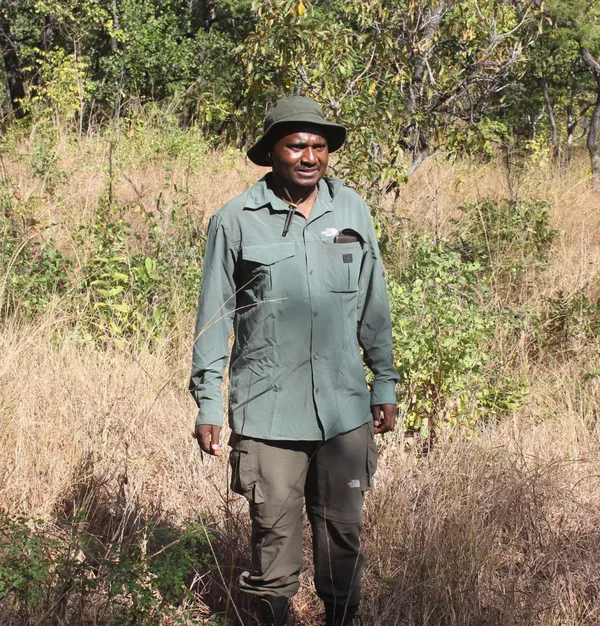
© Ngida Sailep
Gasto Lyakurwa
© Ngida Sailep
- Country: Tanzania
- Grant: Russell E. Train Fellowship
- Degree: PhD in Recreation, Parks, and Tourism Management and Transdisciplinary Research on the Environment and Society
- University: Pennsylvania State University, USA
- Research: Livelihood and Conservation: Exploring the relationship between household livelihood securities and poaching in communities buffering Mkomazi and Udzungwa National Parks in Tanzania
- National parks in sub-Saharan Africa pose challenges and opportunities for the communities adjacent to them. Conservation and community development organizations aspire to reduce these challenges and enhance opportunities. Gasto Lyakurwa’s research examines how household livelihood security dynamics and ecotourism benefits influence poaching, particularly in communities buffering national parks. Using a mixed-methods approach, Gasto will assess the motivations and perceptions associated with the complex relationships between ecotourism benefits, household livelihoods, and poaching. His findings will contribute to the development of impactful conservation and community development policies and advance the understanding of the relationships between national parks and their adjacent communities in Tanzania and beyond.
- Additional links: https://www.researchgate.net/profile/Gasto-Lyakurwa
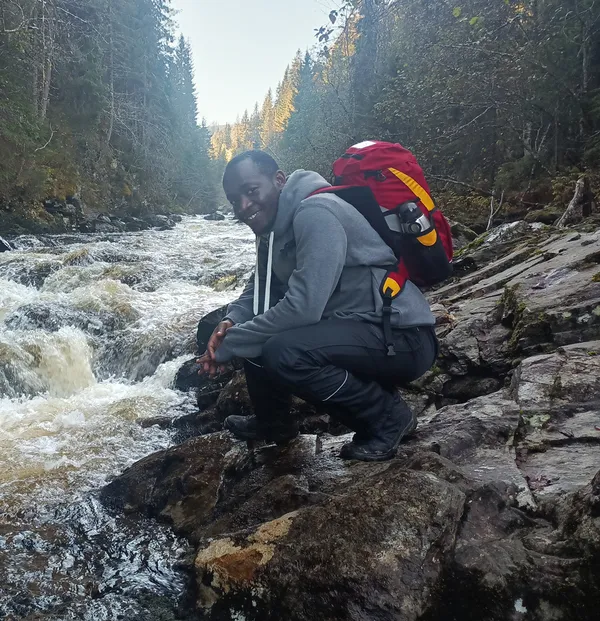
© Antonie Bodeau
Gordon Y. Mwesigwa
© Antonie Bodeau
- Country: Uganda
- Grant: Russell E. Train Fellowship
- Degree: PhD in Landscape Ecology
- University: Makerere University, Uganda
- Research: Distribution dynamics of forage and forage-invasion under physical and climatic transitions in the pastoral system of Karamoja sub-region, Uganda
- The Karamoja sub-region is facing an increasing decline in forage due to invasive species. Climate variability and climate change are also cascading these effects. The invasives have been recorded even in protected areas of the region. Gordon Y. Mwesigwa’s research focuses on understanding the challenges facing pastoral communities in Karamoja due to changing environmental and socio-political factors. He will investigate the distribution of forage resources and the impact of invasive species on vegetation productivity and ecological stability. Gordon’s work will advance information on context-specific impact indicators and thresholds to support development of early warning systems and policy for sustainable forage management in Uganda.
- Additional links: https://scholar.google.com/citations?hl=en&user=FmXPFEYAAAAJ&view_op=list_works&gmla=AC6lMd_nKfUr6EMmUhVVV7VH-cJ8Hq9P-VSb-IZy7GIv-glzyKS3sVNpoLbCewa5lHBuBOuJ13ygR8SmJwerlRsK
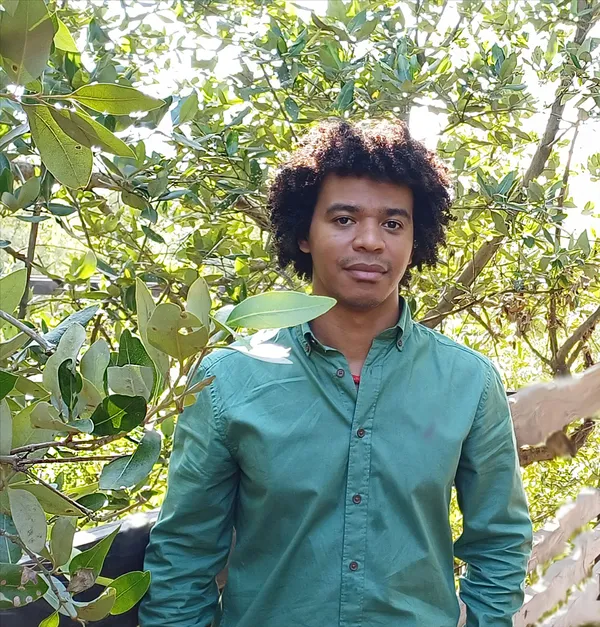
© Katia Bravo
Ivan Mattos e Lemos
© Katia Bravo
- Country: Mozambique
- Grant: Russell E. Train Fellowship
- Degree: PhD in Marine Science, Management, and Technology
- University: University of Porto, Portugal
- Research: Public policies for the blue economy: Practical application of the value chain concept in sea management as an alternative for financing the conservation and restoration of marine ecosystems in Mozambique
- Ivan Mattos e Lemos is studying financing for restoration projects and conservation of natural ecosystems, such as mangrove restoration and marine sanctuaries. His research focuses on public policies for the blue economy, specifically in the practical application of the economic concept of the value chain. Using participatory approaches, he will work with diverse stakeholders to develop systems for economically valuing the efforts of local communities in the conservation of ocean resources. Ivan’s work will contribute to the direct capture of revenue to finance conservation of marine ecosystems while promoting equity in local development.
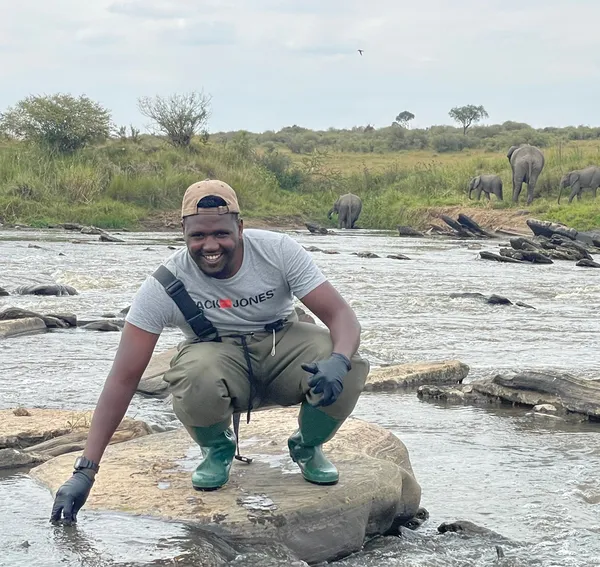
© Paul Geemi
Joshua Benjamin
© Paul Geemi
- Country: Kenya
- Grant: Russell E. Train Fellowship
- Degree: PhD in Zoology, concentration in Wetland Sciences
- University: University of Florida, USA
- Research: Longitudinal changes in fish assemblages, macroinvertebrate communities, and trace element concentrations in an Afrotropical River
- Joshua Benjamin’s research is “like a health check-up for the Mara River Basin's aquatic life”. The Mara River, which is home to a variety of fish and macroinvertebrate communities that are very important for the ecosystem, is increasingly threatened by habitat fragmentation, deforestation, flow regulation, urbanization, pollution, sedimentation, and over-exploitation. Joshua’s research will test the influence of multiple stressors on fish and macroinvertebrate communities along the longitudinal gradient of the Mara River to understand how these taxa vary across space and time. Using a range of techniques, he will sample a variety of fish and macroinvertebrates at 20 sites along the river from the upper headwaters to the mouth of Lake Victoria with two-thirds of the sites located in Kenya and the remainder in Tanzania. Joshua’s work will provide key information on the abundance and diversity status of the fish and macro-invertebrate communities in the Mara River Basin. Ultimately, his findings are critical to both Kenya and Tanzania given the increasing reliance on the Mara River Basin.
- Additional links: https://www.researchgate.net/profile/Joshua-Benjamin
© Saroj Kauffman
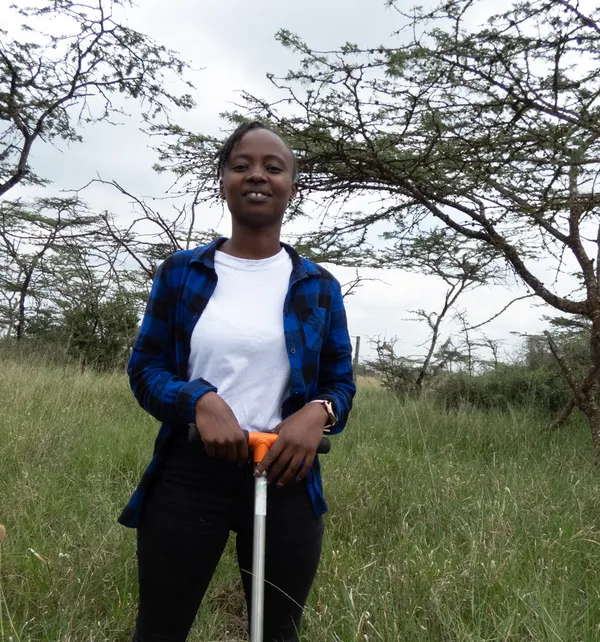
Mary Waithira Ngugi
© Saroj Kauffman
- Country: Kenya
- Grant: Russell E. Train Fellowship
- Degree: PhD in Biological Sciences, specializing in Conservation Biology
- University: University of Nairobi, Kenya
- Research: Interactive Effects of Fire, Herbivory, and Termites on Soil Microbial Communities in a Semi-arid Savanna Ecosystem
- Despite extensive studies on fire, herbivory, and termites, their interactive effects on soil microbial communities remain poorly understood. Mary Waithira Ngugi’s research seeks to understand how different herbivore groups may interact with fire and termites to influence soil microbial communities in a semi-arid savanna ecosystem. She will conduct her research at Kenya’s Mpala Research Centre within the Kenya Long-term Exclosure Experiment (KLEE), established in 1995. Mary will carry out sampling across multiple plots to collect representative soil samples which will then undergo microbial analysis to extract DNA in order to determine bacterial and fungal communities' richness and diversity. Her findings will contribute to understanding of herbivore-specific impacts and how they shape microbial dynamics. The study will offer practical applications for sustainable land management agriculture, and biodiversity conservation in savanna-like ecosystems.
- Additional links: https://www.researchgate.net/profile/Mary-Ngugi-4
© Manuel Yepez
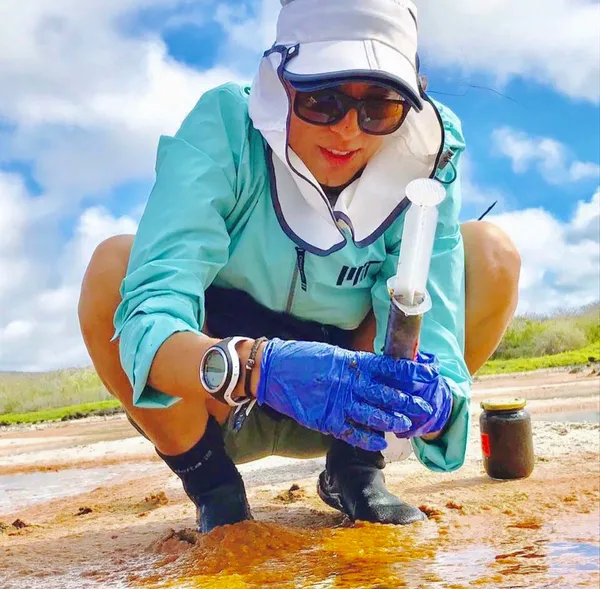
Nataly Guevara
© Manuel Yepez
- Country: Ecuador
- Grant: Russell E. Train Fellowship
- Degree: PhD in Life and Environmental Sciences
- University: Deakin University, Australia
- Research: Harnessing the microbiome to enhance coastal ecosystems restoration
- Nataly Guevara’s research aims to provide a novel approach that recognizes the essential role of microorganisms in ecosystem health and recovery, with a focus on mangrove restoration efforts. She will work at two study sites, each representing different restoration stages: Ecuador's Chone River Estuary, and the mangrove community in the Galápagos Archipelago. At these sites, she will collect sediment samples from various soil layers to identify the taxonomic diversity and functional potential of microbial communities. Subsequently, Nataly will conduct experiments to expose mangrove seedlings and their microbiomes to assess their potential in mitigating toxic compounds and promoting plant growth through the production of Plant Growth Beneficial properties. The outcomes of Nataly's work will be impactful at multiple levels—from the molecular scale to ecosystem-wide effects—contributing to the overarching goal of fostering resilient and thriving mangrove ecosystems.
- Additional links: https://www.researchgate.net/profile/Nataly-Guevara-2
© No Ko
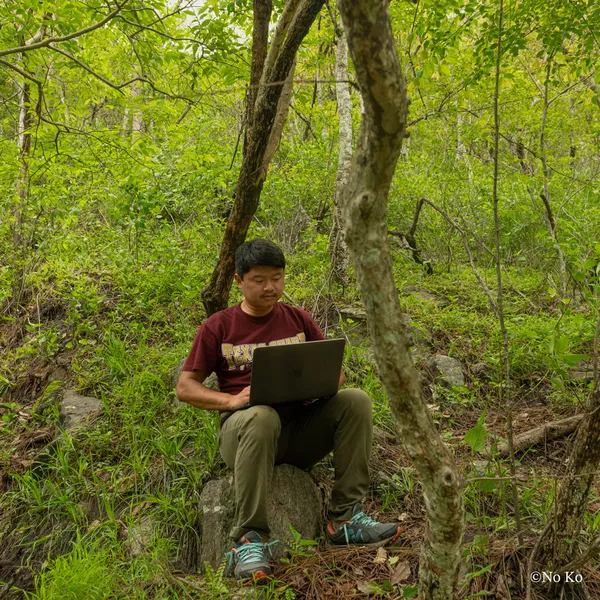
Pema Khandu
© No Ko
- Country: Bhutan
- Grant: Russell E. Train Fellowship
- Degree: PhD in Aquatic Resources and Integrative Biology
- University: Texas State University, USA
- Research: Nest Predation, Roost Site Selection and Habitat Assessment of the Critically Endangered White-Bellied Heron Ardea insignis in Bhutan
- Pema Khandu’s research centers on the conservation of the critically endangered White-bellied Herons in Bhutan's Punatsangchhu and Mangdechhu river basins. Despite hosting a significant portion of the global White-bellied Herons population, these habitats face rapid degradation from human activities. Using interdisciplinary approaches, Pema will fill knowledge gaps by examining White-bellied Herons’ roosting ecology and assessing threats through identifying and protecting roost sites crucial for their survival. His findings will guide effective conservation strategies, ensuring the preservation of this endangered species.
- Additional links: https://www.researchgate.net/profile/Pema-Khandu
© Simon Ndungu
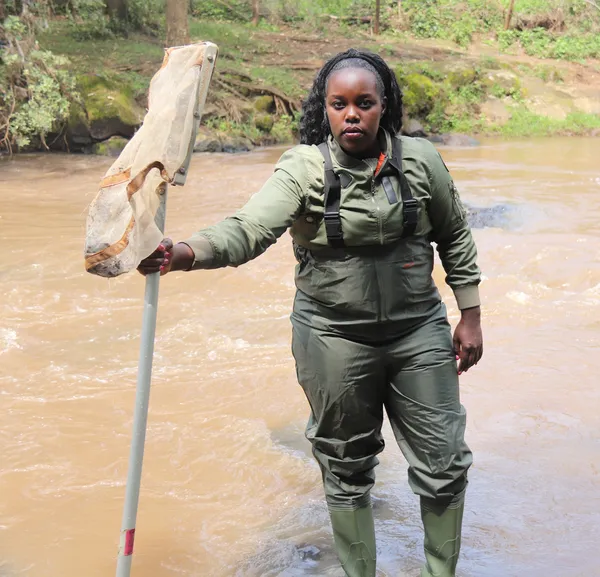
Priscilla Wangari Mureithi
© Simon Ndungu
- Country: Kenya
- Grant: Russell E. Train Fellowship
- Degree: PhD in Limnology, specializing in Stream and River Ecology
- University: Egerton University, Kenya
- Research: Application of Physical Chemical and Biotic Indices in Ecological Integrity Monitoring in Mount Kenya and Aberdare Ranges Catchments, Kenya
- Priscilla Wangari Mureithi’s research aims at developing community-friendly monitoring protocols for assessing the pollution levels of rivers draining from Southern Mount Kenya and Western Aberdare Ranges catchments in Kenya. She will use a number of intervention strategies (including collection of water quality data and community involvement) to determine the riparian community livelihoods, the levels of awareness and perception of river’s values and attributes and threats, and the stakeholders’ roles in conservation. Priscila’s work will play a significant role in developing simple community-based monitoring protocols and enhancing the capacity of key stakeholders in river management and conservation.
- Additional links: https://www.researchgate.net/profile/Priscilla-Mureithi
© Nathan Chinapen
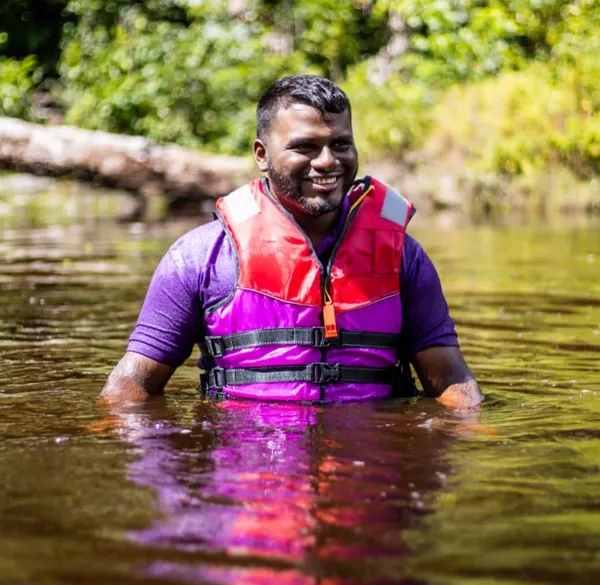
Rovindra Lakenarine
© Nathan Chinapen
- Country: Guyana
- Grant: Russell E. Train Fellowship
- Degree: PhD in Marine Biology
- University: Florida International University, USA
- Research: Characterizing and Reducing Non-Target Species in the Gillnet Fisheries off the Coast of Guyana, South America
- Rovindra Lakenarine will be studying a pressing issue in marine fisheries called bycatch. Bycatch is the unintentional capture of non-target marine animals such as dolphins, turtles, birds, and finfish. Currently, more knowledge is needed on the extent of non-target catch in the artisanal fisheries of Guyana. By working with fishers and captainsonboard gillnet vessels and at fish landing sites in Demerara and Berbice Counties, Rovindra will identify bycatch species composition and determine the effect of seasonal changes on bycatch composition. His work will provide crucial data to develop management plans and policies that contribute to the sustainable management of marine fisheries in Guyana. Ultimately, the involvement of the fishers in data collection can lead to continuous data collection and monitoring with the potential to contribute to the body of knowledge on bycatch in artisanal fisheries, providing insights that could be applicable in other regions facing similar challenges.
- Additional links: https://www.researchgate.net/profile/Rovindra-Lakenarine
© Firulal Tharu
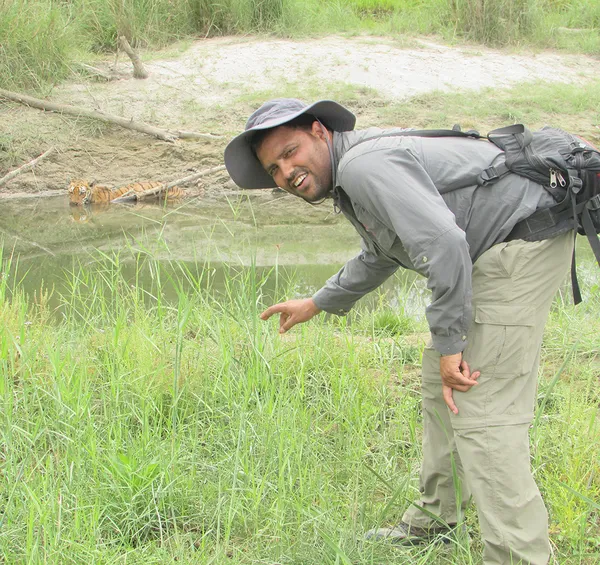
Shailendra Yadav
© Firulal Tharu
- Country: Nepal
- Grant: Russell E. Train Fellowship
- Degree: PhD in Wildlife Science, specializing in Tiger Ecology
- University: Academy of Scientific and Innovative Research, India
- Research: Ecological and social consequences of tiger conservation in Nepal’s Terai-Arc Landscape
- Shailendra Yadav’s research aims to assess the consequences of an increasing tiger population from both an ecological and social perspective based on tiger connectivity, changing diet, spatio-temporal human-tiger conflict, and local perception towards tiger conservation. Using a variety of techniques, Shailendra will conduct genetic identification of individuals from non-invasive sampling of scats to determine the genetic variability of tigers. He will also determine the food habits of tigers by micro-histological analysis. The human-tiger conflict and local perceptions towards tiger conservation will be analyzed based on key informant (local expert) opinion surveys, household surveys, and focus group discussions. Shailendra’s work will provide information for better tiger conservation and improve the coexistence of tigers and people.
- Additional links: https://www.researchgate.net/profile/Shailendra-Kumar-Yadav
© Kritana Bhandari
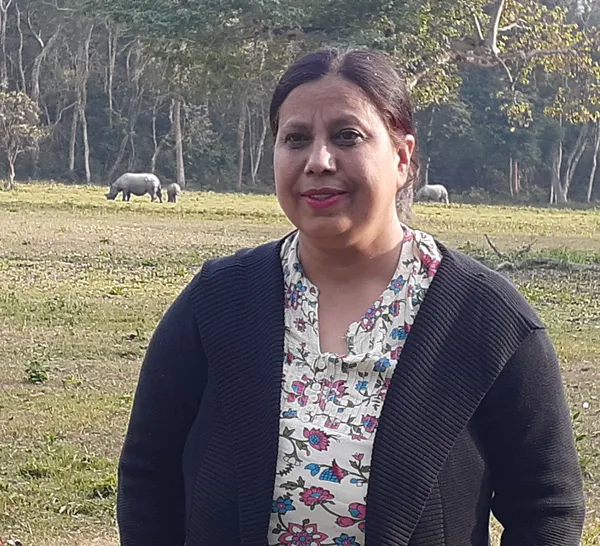
Sunita Dhungana
© Kritana Bhandari
- Country: Nepal
- Grant: Russell E. Train Fellowship
- Degree: PhD in Environmental Management (International)
- University: Prince of Songkla University, Thailand
- Research: Impact of invasive alien plant species (IAPs) on forest and local community in Buffer Zone area of Chitwan National Park, Nepal
- Sunita Dhungana’s research investigates the impact of IAPs on the forests and local communities of Chitwan National Park, Nepal. She will assess the current status of IAPs, their effect on trees and regeneration, as well as their influence on household economies. By exploring local adaptation techniques to manage IAPs, the study aims to enhance forest health and community livelihoods. By combining field surveys, policy reviews, and community engagement, Sunita endeavors to provide valuable insights into the complex dynamics between invasive species, forest health, and well-being of residents.
- Additional links: https://www.researchgate.net/profile/Sunita-Dhungana-2
2024 Fonseca Leadership Program Fellows
© Alan Monroy Ojeds
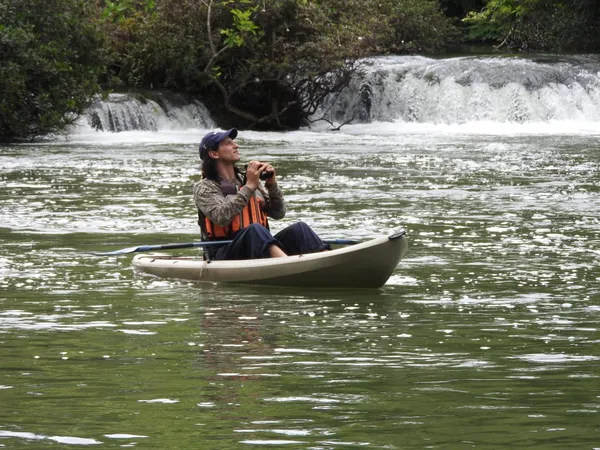
Alan Monroy Ojeda
© Alan Monroy Ojeds
- Country: Mexico
- Grant: Fonseca Leadership Program
- Degree: PhD in Tropical Ecology
- University: Universidad Veracruzana, Mexico
- Research: Conservation status and spatial analysis for the reintroduction of the Harpy Eagle (Harpia harpyja) and analysis of the movement ecology of the King Vulture (Sarcoramphus papa).
- The Harpy Eagle (Harpia harpyja) and the King Vulture (Sarcoramphus papa) are Neotropical forest raptors with a distribution across tropical forests in middle America and South America. Both species are considered sacred by indigenous cultures and both are listed as endangered according to the Mexican laws, due to habitat loss and hunting threats. Alan Monroy Ojeda’s work will identify those areas that currently maintain the conditions to host a viable population and are potential sites to implement a reintroduction strategy to strengthen the conservation of the Harpy Eagle, which is considered practically extirpated from the Mexican territory. Alan’s findings will contribute to the knowledge base which will strengthen the conservation strategies for the Harpy Eagle and King Vultures in Mexico.
- Additional links: https://www.researchgate.net/profile/Alan-Monroy-Ojeda

© Mara a Josa Coudeu
Bairon Cuevas
© Mara a Josa Coudeu
- Country: Chile
- Grant: Fonseca Leadership Program
- Degree: MS in Aquatic Systems Ecology
- University: University of Antofagasta, Chile
- Research: Is marine traffic stressing fin whales (Balaenoptera physalus) in the South East Pacific ocean? A comparison between two foraging grounds: Antarctic Peninsula and Humboldt Current System, Chile
- Bairon Cuevas aims to understand if marine traffic intensification is causing stress on fin whales. Given that high cortisol concentrations may be indicative of chronic stress in whales, Bairon will assess blubber cortisol concentrations in fin whales foraging in two different grounds of the South East Pacific: the Antarctic Peninsula (an area with less marine traffic) and the Mejillones Peninsula (an intense marine traffic area of northern Chile) to determine levels of stress caused by traffic. His findings will contribute to proposing a Traffic Separation Scheme (TSS) for cargo ships to avoid the collision with whales in the Antofagasta region.

© Diego Marquez Corigliano
Diego Marquez-Corigliano
© Diego Marquez Corigliano
- Country: Chile
- Grant: Fonseca Leadership Program
- Degree: PhD in Science, specializing in Biodiversity and Bioresources
- University: Catholic University of the Most Holy Conception, Chile
- Research: An evolutionary approach to conservation: Discovering priority areas for the preservation of the species Macrocystis pyrifera
- The Macrocystis pyrifera, a prominent giant alga found abundantly along the coastlines of Peru and Chile, plays a pivotal role in coastal ecosystems. Nonetheless, it encounters formidable conservation hurdles from both people and environmental change. Diego Marquez-Corigliano’s study aims to dissect adaptive divergence, examining the evolutionary mechanisms of M. pyrifera within the region to assess its evolutionary potential. His findings will be essential in safeguarding biological variability and bolstering adaptability amidst dynamic environmental shifts. The outcomes will enhance the understanding of M. pyrifera's population dynamics, thereby pinpointing critical preservation areas across its extensive distribution range, while accounting for its vulnerability or risk of extinction.
- Additional links: https://www.researchgate.net/profile/Diego-Marquez-Corigliano-2
© WCS Guatemala
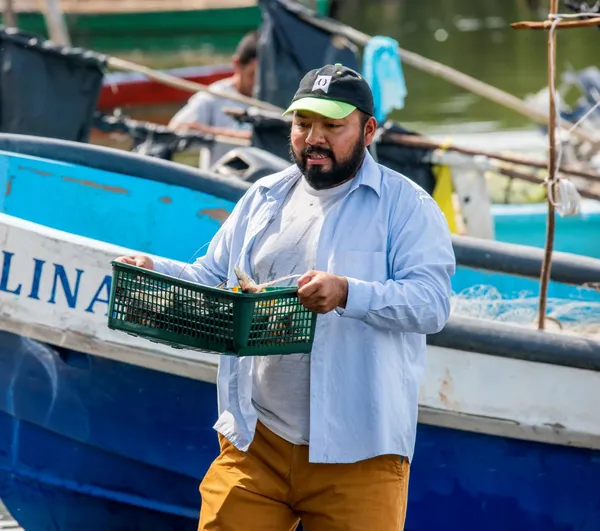
Francisco Emanuel Polanco-Vásquez
© WCS Guatemala
- Country: Guatemala
- Grant: Fonseca Leadership Program
- Degree: PhD in Aquaculture and Fisheries Bioeconomics
- University: Interdisciplinary Center for Marine Sciences, Mexico
- Research: Economic, spatial and environmental dynamics of the fish fishery demersal and small pelagic fish in an important area for sharks and rays in the Pacific of Guatemala
- The Pacific of Guatemala has no marine protected areas restricted to fishing. As such, most of the fisheries are considered open access with no fisheries management measures. While current efforts in Sipacate-Naranjo and Tecojate, the two marine areas with wetland ecosystems, are focused on proposing their declaration as the first protected areas in the Pacific of Guatemala, there is limited information about the dynamics of artisanal fisheries and how they respond to environmental factors. Francisco Emanuel Polanco-Vásquez’s work will determine the economic variability of demersal and small pelagic artisanal fisheries communities of Sipacate and Tecojate. He will collect data on landings and model the economic, spatial, temporal dynamics, and environmental factors that determine the behavior of fishing fleets. Francisco’s findings will contribute detailed knowledge on fishing operations which will be beneficial in developing suitable multi-species fisheries management measures and support conservation of vulnerable species.
- Additional links: https://www.researchgate.net/profile/Francisco-Polanco-Vasquez
© Gustavo Ruano Fajardo
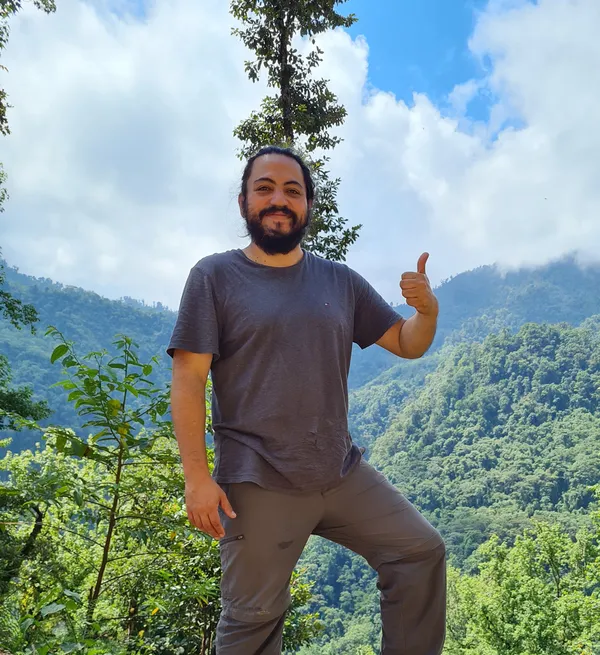
Gustavo Ruano Fajardo
© Gustavo Ruano Fajardo
- Country: Guatemala
- Grant: Fonseca Leadership Program
- Degree: PhD in Biology
- University: Florida International University, USA
- Research: Amphibian bromeliad interactions across a climatic gradient
- The tropical flowering plant Bromeliads is considered a moisture buffer environment for some amphibians whose survival is supported by their water tank container. However, understanding the consequences of climate change and disease in amphibians living in bromeliad tank plants is still a mystery. Gustavo Ruano Fajardo will study the bromeliad-dwelling amphibians’ skin bacteria that could help reduce the susceptibility of amphibians to infectious diseases, such as the chytrid fungus disease, which is responsible for massive amphibian population die-offs worldwide. He will use a non-invasive sampling method by pumping water from bromeliads into a filtering membrane to get small fragments of DNA and recognize what type of bacteria and amphibians coexist inside them. Additionally, he will be taking samples of the bacteria and pathogens that live in the skin of several individuals of amphibians. Comparing bacteria from both the amphibian skin individuals and bromeliad can help search for sources of potentially beneficial bacteria for frogs and salamanders.
- Additional links: https://www.researchgate.net/profile/Gustavo-Ruano-Fajardo-2
© Ruban Cueva
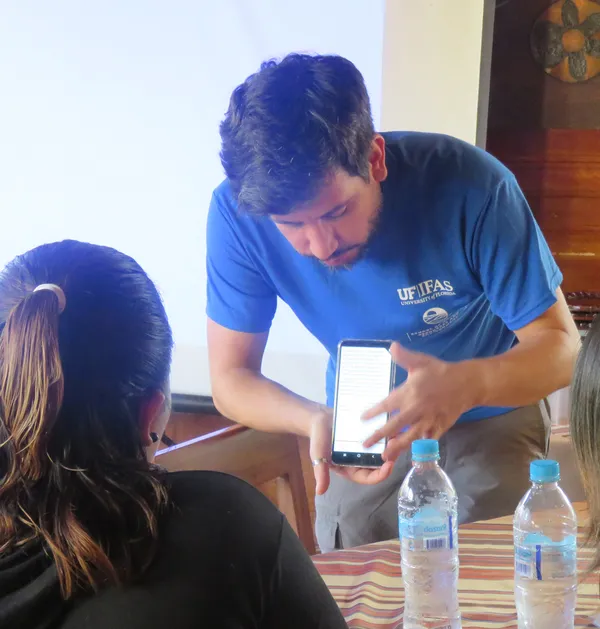
Hernán G. Álvarez
© Ruban Cueva
- Country: Ecuador
- Grant: Fonseca Leadership Program
- Degree: PhD in Interdisciplinary Ecology, concentration in Sociology
- University: University of Florida, USA
- Research: Understanding the factors that influence compliance and cooperation with illegal wild meat trade regulations in the Western Amazon of Ecuador
- Hernán G. Álvarez seeks to understand the dynamics behind compliance and cooperation with wildlife trade regulations in the Amazon of Ecuador. He will employ a conservation criminology approach that combines quantitative and qualitative techniques to analyze the socio-cultural, socio-economic, psychological, and situational factors influencing illegal behaviors related to wild meat consumption and trade. He will also explore the role of collaborative networks between local and regional actors to develop and implement effective law enforcement strategies to reduce the wild meat trade. Hernan’s work will generate outcomes to foster participatory-based strategies to tackle illegal wildlife trade in Ecuador.
- Additional links: https://www.researchgate.net/profile/Hernan-Alvarez-5
© Pedro Arenas
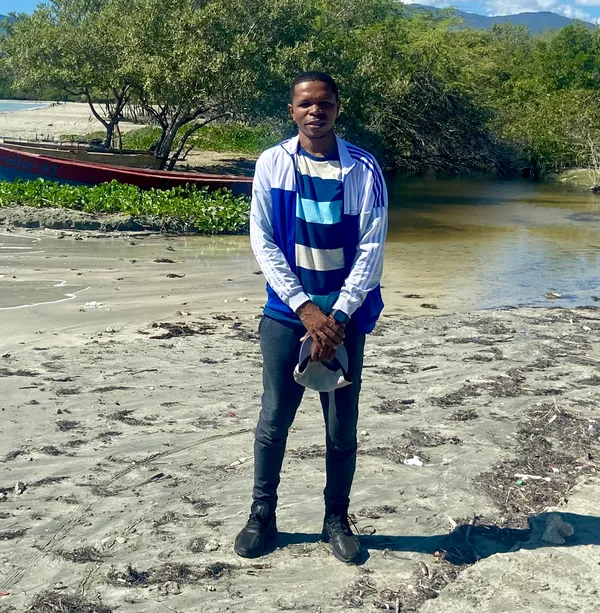
Joel Güity
© Pedro Arenas
- Country: Honduras
- Grant: Fonseca Leadership Program
- Degree: PhD in Sea Management and Conservation
- University: Universidad de Cadiz, Spain
- Research: Public Policies and Coastal Sustainability in the Western Caribbean: A Propositional Analysis for Honduras, Costa Rica, Cuba, and the Dominican Republic
- Joel Güity will study public coastal management policies in the Western Caribbean, focusing on Honduras, Costa Rica, Cuba, and the Dominican Republic. He will identify similarities and differences in the Integrated Coastal Management strategies implemented by these countries, with the aim of addressing critical environmental challenges such as biodiversity loss, climate change, and pollution. Using a comparative and propositional approach, Joel will analyze the strengths and weaknesses of existing public policies, with the intention of identifying best practices and formulating recommendations that can improve the effectiveness and adaptability of coastal management strategies in the Western Caribbean region.
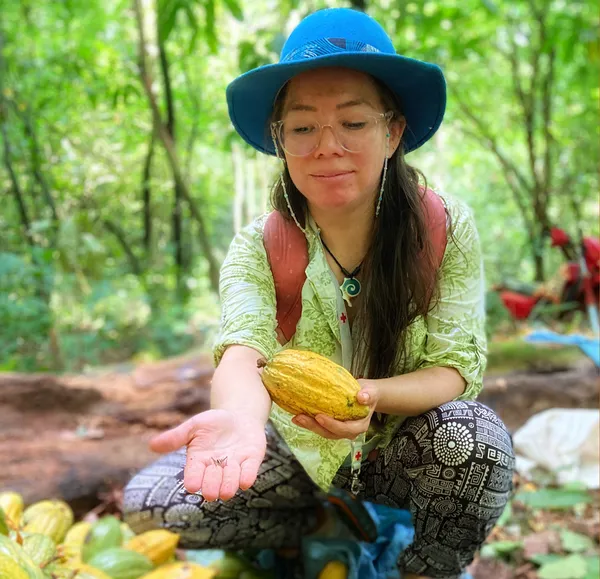
© Mario Vargas
Krystal Bedregal Flores
© Mario Vargas
- Country: Bolivia
- Grant: Fonseca Leadership Program
- Degree: PhD in Rural Development Sciences
- University: Universidad Mayor de San Andrés, Bolivia
- Research: Analysis of the effect of the change in property rights in the governance and sustainable use of wild cocoa forests in Baures, Beni
- Krystal Bedregal Flores’ research seeks to understand how property regimes in cocoa forests have evolved in Baures, Beni, using a theoretical framework created by Elinor Ostrom. She will analyze how local institutions have evolved over time and how this has affected the rights of property in cocoa production. Krystal will examine how these institutions operate in practice and how they can adapt to promote sustainability and equity in the production of cocoa. Her work will contribute to a deeper understanding of the governance of natural resources and will provide relevant information for the design of effective conservation and rural development policies in the region.
- Additional links: https://www.researchgate.net/profile/Silvia-Krystal-Flores
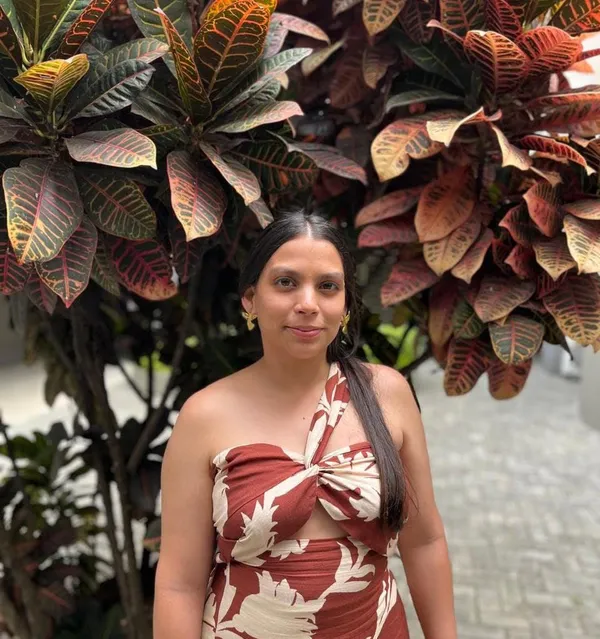
© Mauricio Fernandez
Laura Serna
© Mauricio Fernandez
- Country: Colombia
- Grant: Fonseca Leadership Program
- Degree: MS in Primatology
- University: Universidad de Girona, Spain
- Research: Bridges and Pathways of Life: Conservation Strategies for the Spider Monkey (Ateles hybridus) in Colombia
- Laura Serna’s work through the Bridges and Pathways of Life project aims to enhance the protection of the critically endangered brown spider monkey (Ateles hybridus). Working with local communities and government entities, she will identify fragmented populations and model the creation of ecological corridors, which connect fragments of forests separated by roads or agricultural land. Laura’s collaborative research will help facilitate the safe movement of the monkeys and promote reforestation.
- Additional links: https://www.linkedin.com/in/laurasernabio/
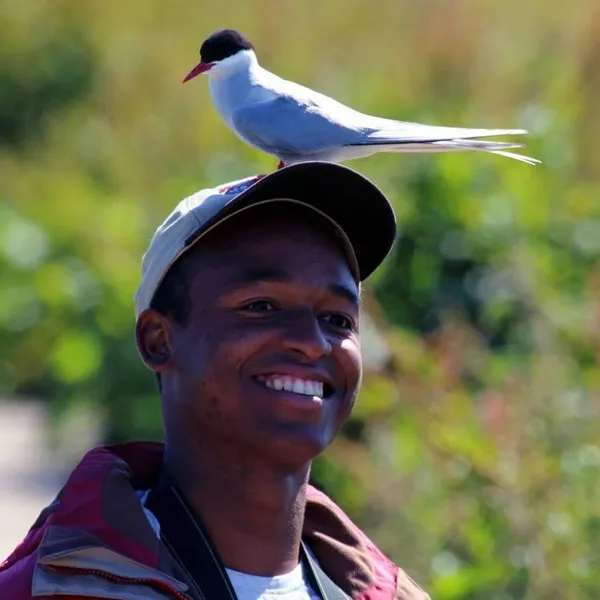
© Francesco De Marco
Meshach Pierre
© Francesco De Marco
- Country: Guyana
- Grant: Fonseca Leadership Program
- Research: Sustainability of the songbird trade in Guyana, South America
- Songbird racing involves pitting songbirds of the Sporophila genus against each other in a competition to reach a set number of notes in the birds’ calls. This activity is popular on the coast of Guyana and has been exported abroad with the Guyanese diaspora in the US and Canada. This has resulted in an illegal trade with arrests of smugglers regularly in the news. On the coast, populations of these birds have disappeared due to intense trapping, and trade networks have spread to Guyana’s interior and now involve the Indigenous communities that reside there. Meshach Pierre aims to understand why people take part in bird racing, and the economic and cultural benefits both bird racers on the coast and Indigenous peoples get from it. His research will also examine the attributes that lead to the desirability of songbirds, and whether captive breeding can be employed as a conservation tool.
- Additional links: https://www.researchgate.net/profile/Meshach-Pierre
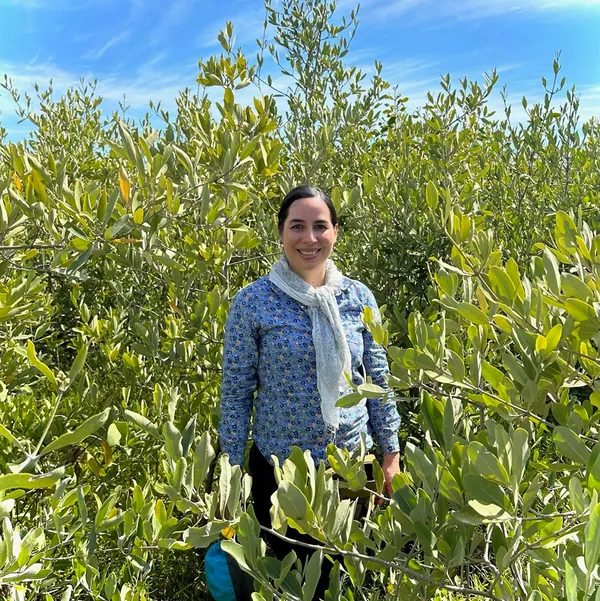
© Paola Fajardo
Paola Fajardo
© Paola Fajardo
- Country: Mexico
- Grant: Fonseca Leadership Program
- Degree: PhD in Geography and the Environment
- University: University of Oxford, UK
- Research: Elucidating Mangrove Conservation, Recovery & Sustainable Livelihoods Futures under Environmental and Societal Change: Marismas Nacionales, West Mexico Case Study
- Conserving, restoring, and sustainably managing mangrove ecosystems can figure prominently in climate change mitigation/adaptation and biodiversity conservation strategies of countries hosting extensive mangrove areas. Yet, there is insufficient knowledge about mangrove degradation status, recovery rates, and the contributions of community-based recovery initiatives. Through her work in Mexico, Paola Fajardo aims to fill these knowledge gaps by conducting participatory and collaborative interdisciplinary applied research to decipher the socio-cultural, environmental, and economic benefits of community-based mangrove recovery using as a model Marismas Nacionales—one of the largest mangrove systems in Mexico— where Paola has been working on community-based mangrove restoration, capacity development, and research projects since 2006 in different roles. Her research will provide evidence to inform public policies and establish permanent non-market-based financial mechanisms to support mangrove conservation/restoration efforts and local communities that highly rely on mangroves.
- Additional links: https://www.researchgate.net/profile/Paola_Fajardo
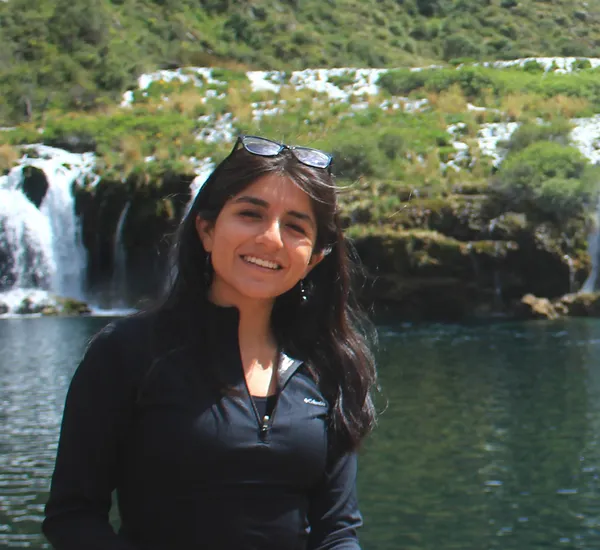
© Gianlucca Monteverde
Paula López Vargas
© Gianlucca Monteverde
- Country: Peru
- Grant: Fonseca Leadership Program
- Degree: PhD in Forest Ecosystem and Society
- University: Oregon State University, USA
- Research: Understanding the governance implications of restoration initiatives with Indigenous peoples in the tropics
- There is a worldwide interest in developing reforestation initiatives to reverse forest loss and restore ecosystem service in the tropics. Paula López Vargas’ work analyzes the impact of governance on the implementation and sustainability of reforestation project outcomes. By understanding how governance affects reforestation dynamics and outcomes, more effective strategies can be developed to address the environmental and social challenges associated with reforestation initiatives. Paula’s findings will provide a solid basis for the formulation of policies and practices that promote participatory management and equitable benefit sharing with Indigenous peoples in reforestation projects.
- Additional links: https://www.researchgate.net/profile/Paula-Lopez-Vargas
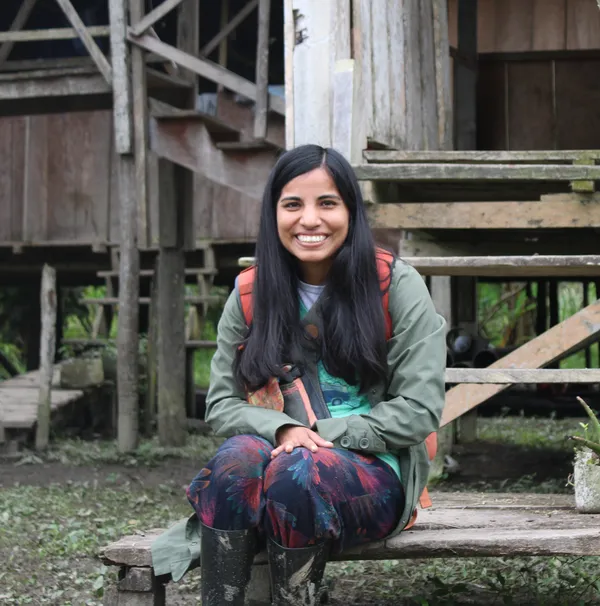
© Tania Romero Bautista
Tania Romero Bautista
© Tania Romero Bautista
- Country: Peru
- Grant: Fonseca Leadership Program
- Degree: PhD in Earth Systems Science, specializing in Natural Resources Management
- University: Florida International University, USA
- Research: The Role of Riparian Communities in Cross-Scalar Policies for Freshwater Ecosystems Conservation in the Peruvian Amazon
- Freshwater resources are an essential asset for riparian communities in the Peruvian Amazon. They provide an important source of nutrition and economic opportunity, as local fisheries are a main source of livelihoods. These resources also play a central role in riparian communities’ spiritual connections and kinship with the natural environment. Tania Romero Bautista’s research aims to investigate how the governance of Amazonian freshwater resources could improve if riparian communities were more active participants in the policymaking process and the impact their participation would have on important social and environmental outcomes. Her findings will advance knowledge about the riparian communities’ interests and context, providing a foundation for improved participatory policymaking between communities and policy makers.
- Additional links: https://www.tropicalriverslab.net/tania-romero
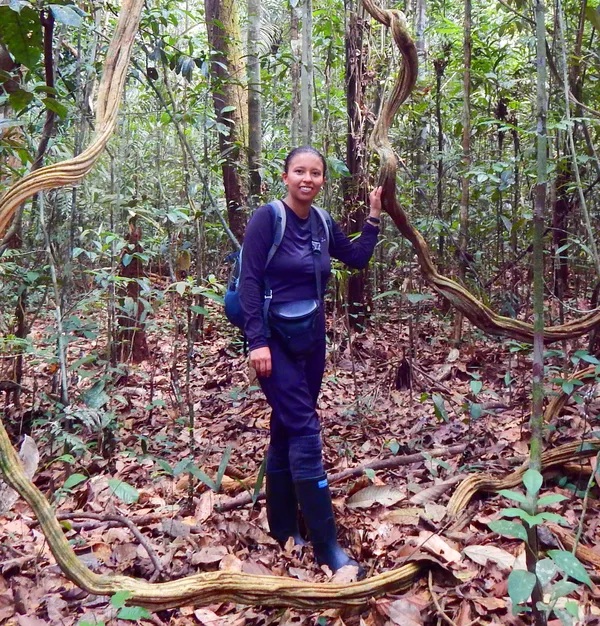
© Yuliana Rodriguez Mongui
Yuliana C. Rodriguez Mongui
© Yuliana Rodriguez Mongui
- Country: Colombia
- Grant: Fonseca Leadership Program
- Research: Indigenous Seed Guardians: Native Seed Biodiversity and Resistance To Climate Change Along The Caqueta River In The Amazon Rainforest (Colombia)
- Yuliana C. Rodriguez Mongui will work closely with Indigenous communities along the Caquetá River in Colombia to monitor the resilience of native seeds to climate change. By engaging local researchers and community members, her project will focus on identifying seeds that are resistant to shifting climate patterns, documenting traditional seed uses, and developing adaptation strategies based on Indigenous knowledge. Through community-based monitoring and capacity-building workshops, the research seeks to create seed inventories, understand patterns of seed exchange, and promote the use of traditional knowledge in conservation efforts. The ultimate goal is to enhance seed biodiversity preservation, support food sovereignty, and empower local communities to adapt to climate change challenges in the Amazon region.
2024 Uganda Fellowship
Enhancing Conservation Science Capacity and Leadership
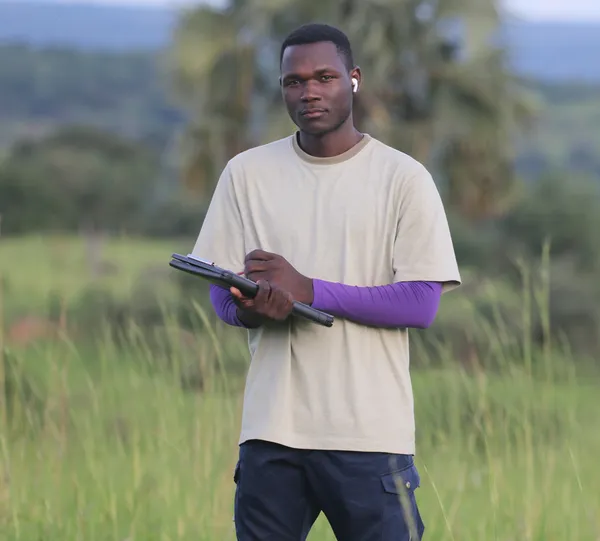
© Allan Kakuru
Julius Muge
© Allan Kakuru
- Country: Uganda
- Grant: Conservation Science Capacity and Leadership
- Degree: MS in Zoology, specializing in Wildlife Ecology and Management
- University: Makerere University, Uganda
- Research: Predicting the spatial distribution of human-elephant conflicts along the northern boundary of Murchison Falls National Park
- Understanding and addressing human-elephant conflicts (HEC) within Murchison Falls National Park is crucial. Existing records of these conflicts lack comprehensive analysis and mapping. Julius Muge’s proposed research employs predictive modeling to fill this gap, testing the contribution of human and environmental factors in HEC. Using data from the Uganda Wildlife Authority and other sources, Julius aims to identify risky places and times for HEC. He will generate recommendations that will guide targeted mitigation efforts and facilitate the efficient use of limited conservation resources.
- Additional links: https://www.researchgate.net/profile/Julius-Muge
How you can help
© WWF-US/Clay Bolt
Support Tribes restore buffalo to the Great Plains
The Indian Buffalo Management Act would strengthen support for Tribal Nations who are working to bring buffalo back from the brink of extinction.