Driving food waste solutions in hospitality

© WWF-US / Keith Arnold
Food waste is one of the most solvable environmental challenges of our time, and the hospitality sector is stepping up. Last month in Denver, my colleague Alex Nichols-Vinueza and I joined the American Hotel & Lodging Association (AHLA) Waste Reduction Subcommittee to explore how hotels can accelerate progress on food waste reduction. The conversation tackled key barriers like regulatory complexity and food waste metrics, while highlighting collaborative opportunities to build impactful solutions—from standardized measurement to scalable training resources.
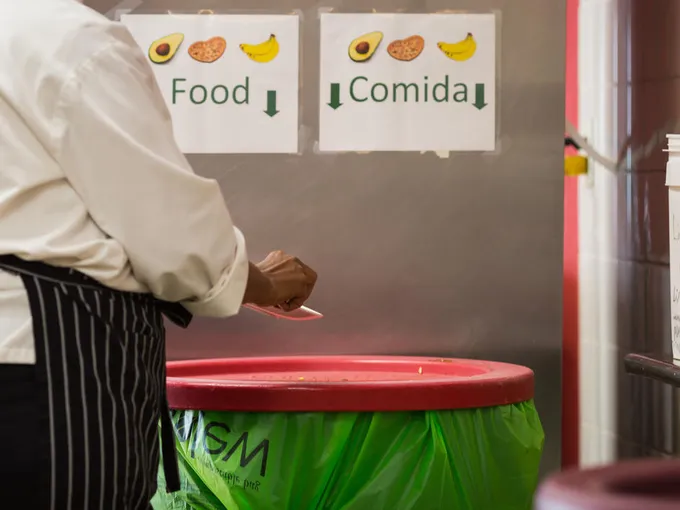
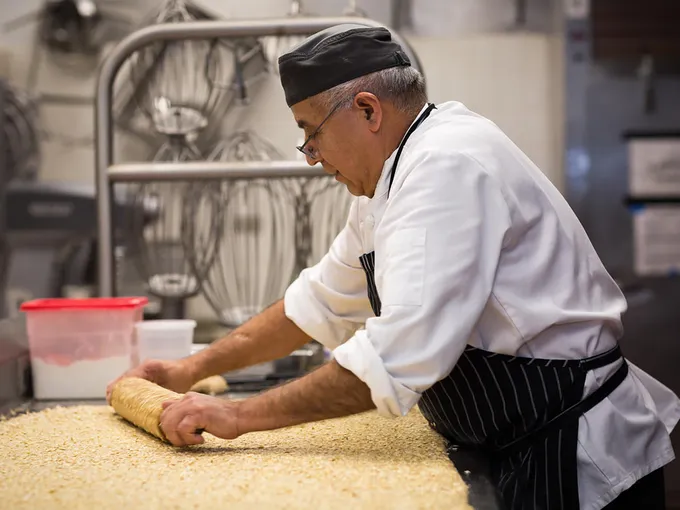
At the heart of this effort is Hotel Kitchen, AHLA and WWF’s flagship initiative designed to help hotels cut food waste and boost sustainability. Originally launched in 2017 and recently revamped, Hotel Kitchen provides a comprehensive toolkit for hospitality professionals, including the 16-Week Champion’s Guide, video training series, and a Food Waste Audit Guide. These resources empower hotel staff—from corporate leadership to kitchen teams—to prevent, donate, and divert food waste effectively.
© WWF-US / Keith Arnold
© WWF-US / Keith Arnold
As conversation at the meeting turned to results, I was struck by just how clear and compelling the business case is. Participating hotels have reported average food waste reductions of 25%, with some properties seeing results in as little as 12 weeks. These reductions translate directly into cost savings, with demonstration projects showing at least a 3% decrease in food costs. In an industry where margins are tight and customer expectations are high, these savings are both welcome and transformative.
Beyond the bottom line, food waste reduction enhances the guest experience and aligns with growing consumer demand for sustainable practices. WWF’s guide, “How to Talk to Guests About Food Waste”, offers practical strategies for engaging guests in sustainability efforts. From signage and menu design to staff training and storytelling, the guide helps hotels communicate their commitment to reducing waste in ways that resonate with travelers. When guests feel part of the solution, they’re more likely to support and appreciate a property’s sustainability efforts.
“With food at the forefront of every hospitality experience, reducing food waste in hotels helps move the entire sector in the right direction.”
Pete Pearson, Vice President of Food Loss and Waste, WWF
This sentiment was echoed by AHLA’s Lauren Pravlik, who noted that food waste reduction is not only good for the environment but also helps conserve resources at a time when too many Americans are food insecure.
Food loss and waste is an issue that unites us. It’s non-controversial, with clear co-benefits for climate, operations, and customer satisfaction. However, the Denver meeting underscored that ambition alone isn’t enough. We can provide the tools, but it’s up to industry players to continue to take action.
Want to learn more or get involved? Visit HotelKitchen.org and explore how your organization can be part of the solution.

© WWF-US / Keith Arnold
Stay up to date
© WWF-US / Darren Higgins
Connect with Sustainability Works on LinkedIn
Stay current with insights from sustainability leaders and rising stars—fresh ideas, technical depth, and bold thinking across industries.